A two-year journey has brought us here, side by side. It has been such an honour and privilege to be part of such a special group. We started as strangers, each bringing our own experiences and questions, and arrived here as friends and a community.
It was a privilege to witness my peers’ hard work in person and finally see the artworks we had watched develop over time. What made this experience so special was that we built this community online, regardless of borders, cultures, and backgrounds, yet we all shared the same longing to finally meet face to face.
We finished the course, received our results, and celebrated our work and the effort that brought us here. Perhaps there is no need for this post, but I feel it is important to mark and document this moment. It’s a journey I hope future students will benefit from. We all travel a similar path, and I believe it’s our responsibility to pass on our knowledge and experience to those who come after us.
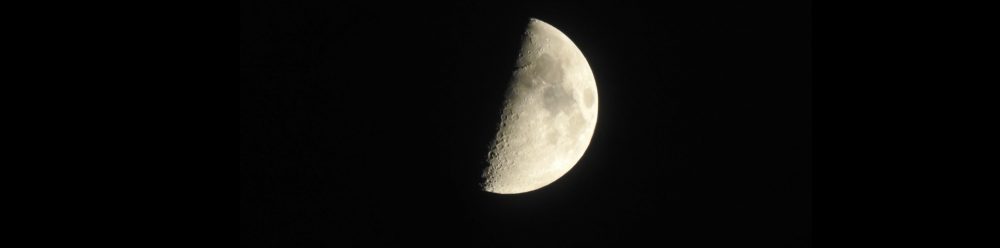
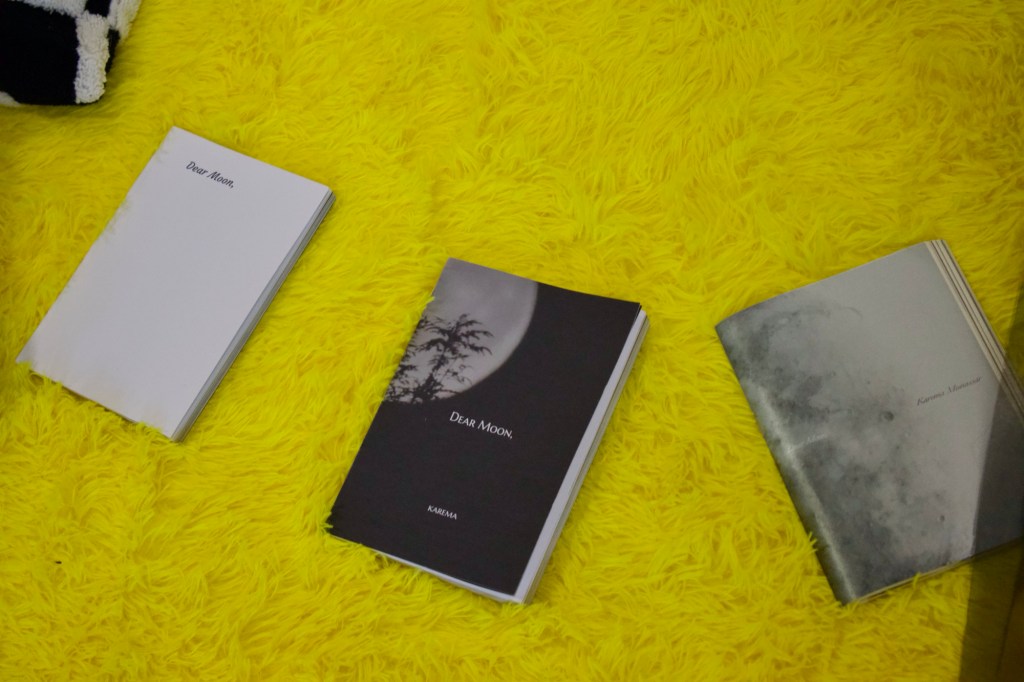
For the degree show, I exhibited two works: Dear Moon, which I had always planned to show, and Spell Te, which Jonathan encouraged me to include. The opening was wonderfully busy, and it was a joy to see so many people engaging with our work and sharing such generous feedback.
I remember starting this course simply listening and learning, without really knowing what would come next. I couldn’t imagine what my degree show would look like or how my research would develop. What I never doubted, however, was the course itself. It was exactly the kind of learning I had been searching for, and I believed it would fit perfectly around my life. I also knew that what I gained from it would depend on my own commitment, curiosity, and willingness to put in the work and time would reveal the rest.
My advice to new students is not to judge your work or your research too early. The whole purpose is to begin with uncertainty and limited knowledge. Gradually, through practice, reflection, and conversation, you build a richer understanding of your own practice and of the wider world around it.
What made this course so successful was its organic and deeply human approach to learning. Everything grew through practice, guided by compassion, generosity, and care. When those values become part of your journey, everything else begins to find its place.
As I always say, if I can do it, anyone can. And perhaps they will do it even better than I did.
Last week, I gave a short talk about my current tea set work at a monthly meeting at the library called Artist Office, which gives artists the chance to use the library as a workspace and creates opportunities to exchange and discuss ideas. I took the opportunity to speak about the work while it’s still in progress, and to reflect on what could still be improved or added.
I began by talking about social sculpture as both a starting point and a space for ideas. From there, I spoke about my research through clay, drawing, site visits and storylines connected to colonial history.
Presenting my work to others benefited me. It helped me practise communicating my ideas and explaining my work more clearly. I also received useful feedback, especially when someone shared a link to The Common Salt performance with me, which I appreciated very much.
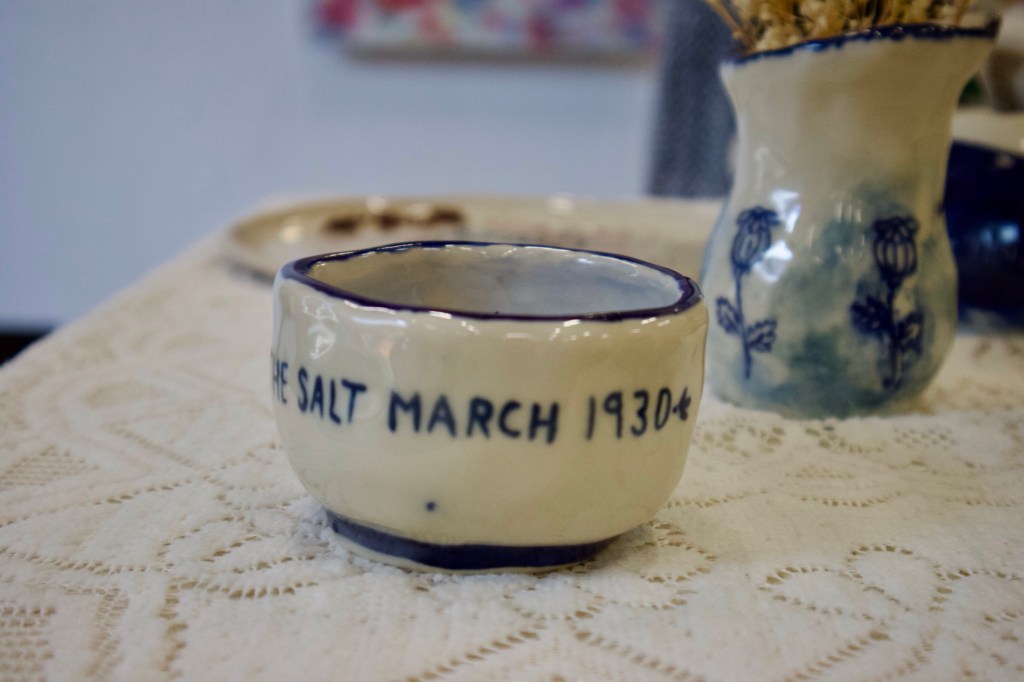
That evening, I watched the video. The work felt deeply connected to my work. The performance was provocative, beautiful, simple, and creative in the way it explored the history of British colonialism in India.
What I especially loved was how, within one hour, the artists managed to communicate their ideas so clearly and powerfully. By the end of the performance, the table itself had transformed into an assemblage sculpture. It reminded me that art can tell similar stories through many different forms and materials.
The next day, I designed the final small pot in my tea set. Before that, I was unsure of its purpose. But after watching the performance, I understood: it’s for salt!
Last week I had my final 1–1 tutorial, and it was a very valuable conversation in which I was able to reflect on my work and plan for the coming months, thinking about challenges and what matters most right now. Having this discussion at this stage feels important, because I believe I need Jonathan’s insight and guidance while I’m still in the process of making.
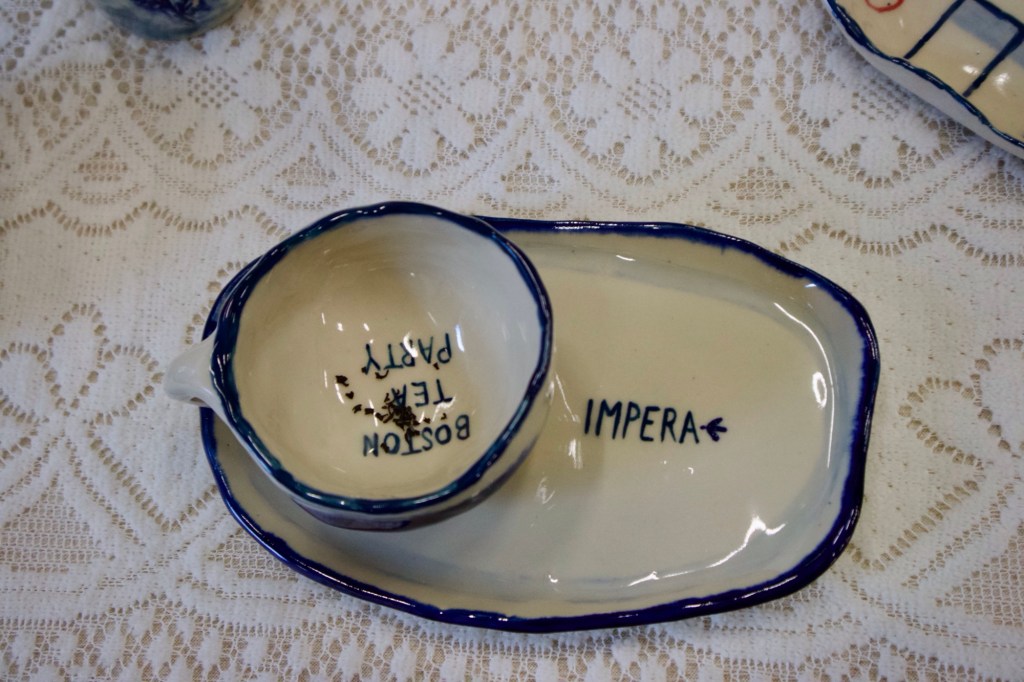
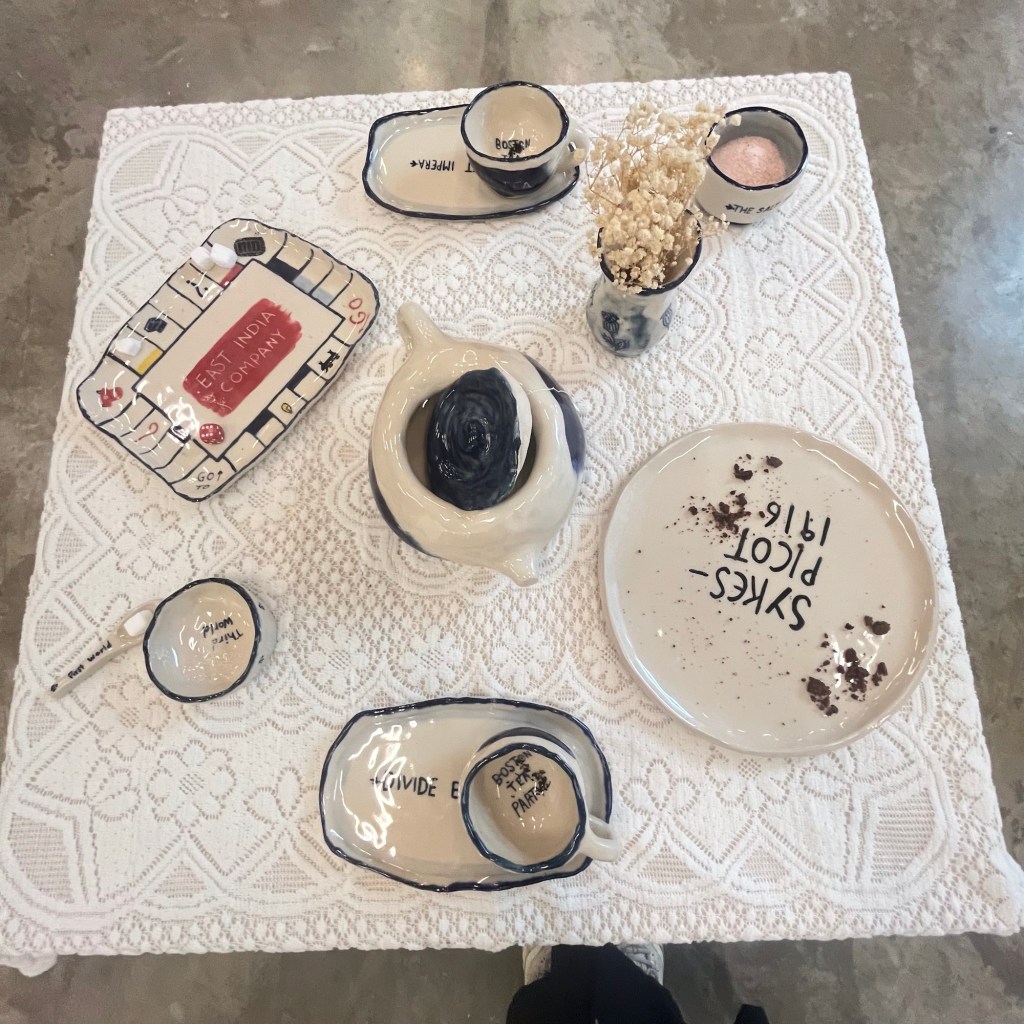
The tutorial gave me a great deal of confidence, and the next day I began designing the bone-dry tea set. I made 21 pieces for the tea set, alongside over 20 small crescent forms, which I will use to make bookmarks for our MA Digital class. Each ceramic piece carrying a story from colonial history. I find that I can’t add anything to the work unless I’m sure it’s relevant and contributes to the overall narrative, and this does slow me down slightly. However, this has been one of the most important lessons during my MA: taking the time to build a cohesive body of work, without unnecessary additions or distractions. I can easily feel overwhelmed and distracted but I have learned to recognise that moment. When it happens, I stop adding and instead spend time reading around the theme or taking a break. This is how my ceramics project develops through slow reading, while the Moon Book has developed through slow writing.
I spent the week working with clay, while also setting up the new show at Liverpool St George’s Hall, where I will be showing Moon Book pages on silk (factory print). I made these last year for The Right Map 2025 but did not have the right opportunity to present them. Now they feel more suited to the theme (Home and Away) and to the space at St George’s Hall. I installed them over a long black heater, where the warm air creates a gentle movement in the work, subtly animating the delicate sheets.
At the core of my social sculpture practice is care and the intention to make a meaningful difference. The Moon Book demonstrates this clearly by connecting people and creating space for shared vulnerability. After the last workshop, some participants began sending me letters in response to others letters. I feel a deep sense of gratitude towards this project and the people involved. Writing letters feels especially meaningful, and I’m excited about the next book Dear Friend (2027). What I find particularly beautiful is that some children are growing up through this process, and some participants who have never met are writing to each other with genuine care and intimacy. It shows how powerful and delicate these connections are. I feel I owe a great deal to everyone who has taken part.
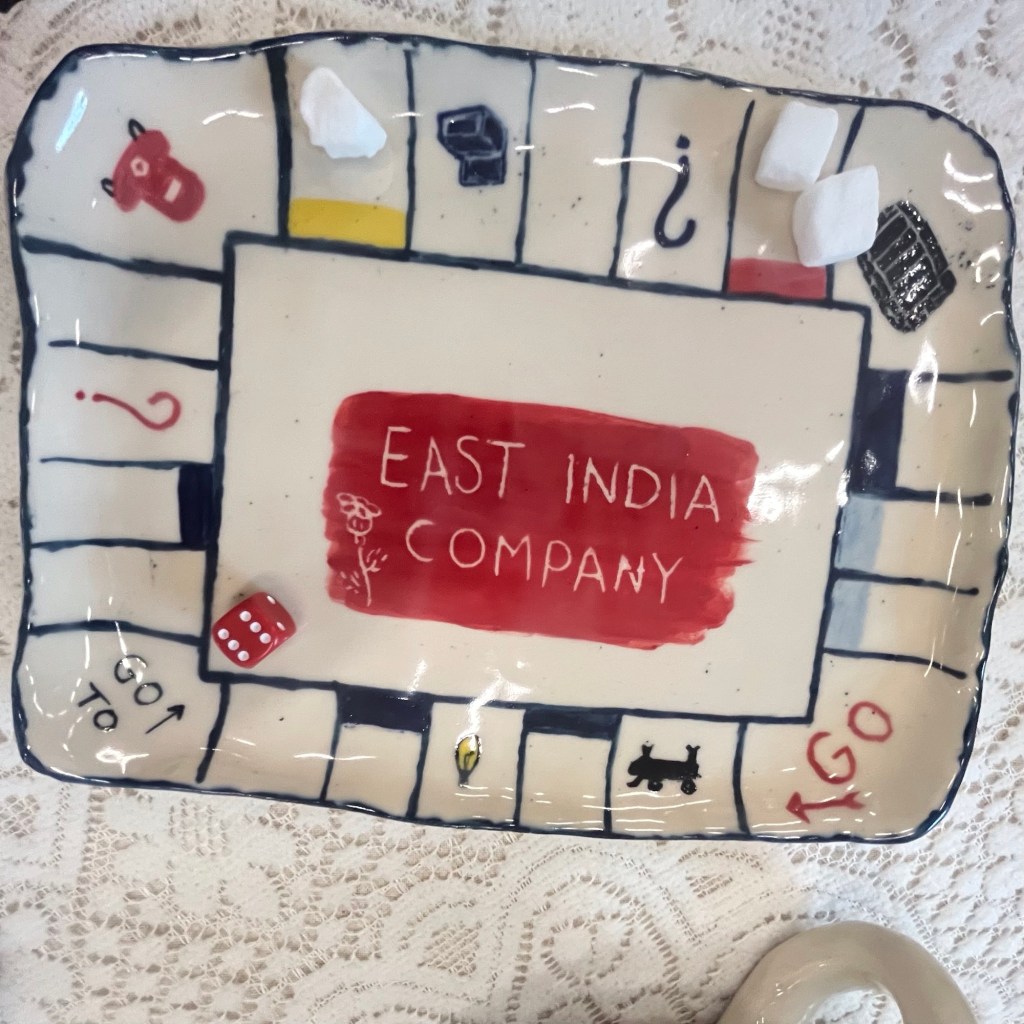
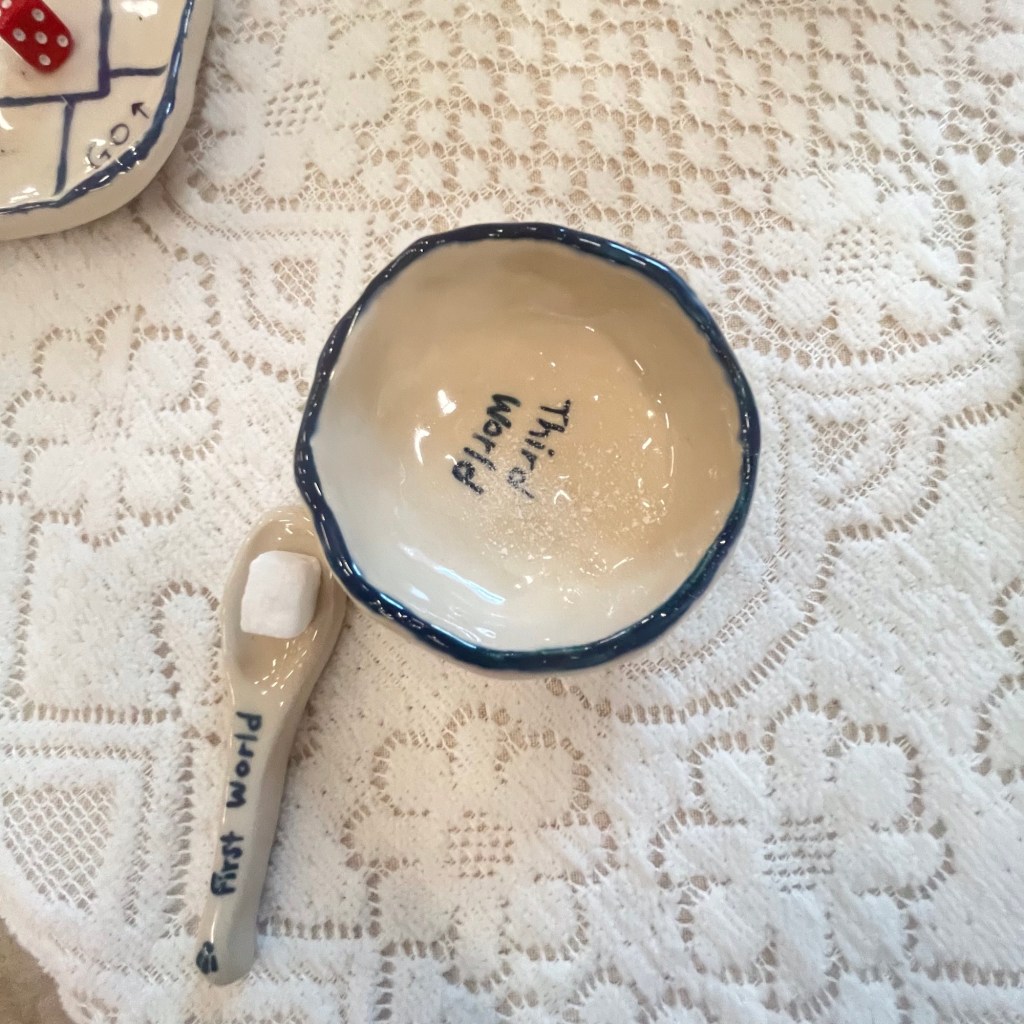
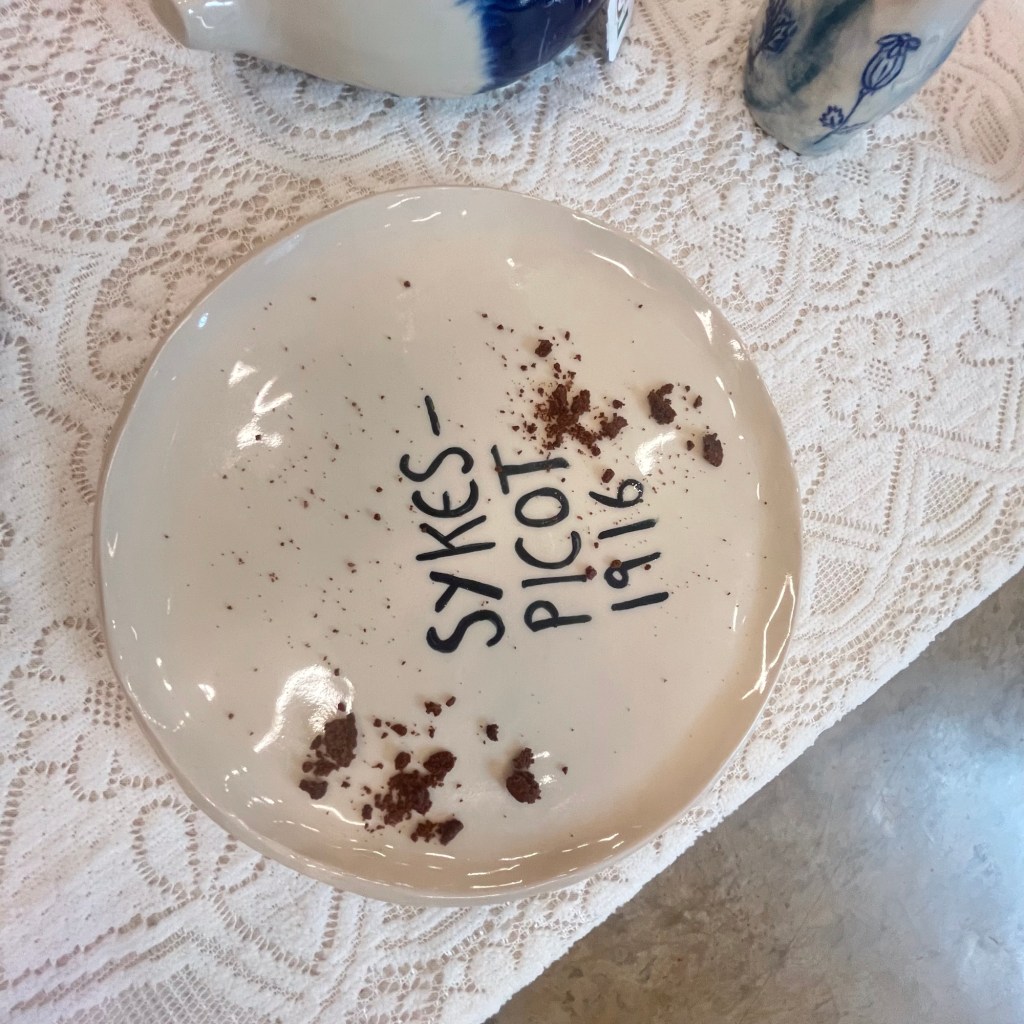
The tea set also functions as a form of social sculpture. It consists of multiple pieces that invite interaction, through storytelling, through history, and through use. Sharing stories from the past is itself a way of engaging with people who are no longer here. In this sense, the work becomes a way to educate, to encourage questions, and to create opportunities for participation.
For example, discussing the Opium War came up in my tutorial with Jonathan. We began asking: how many “opium wars” exist today? How many forms of addiction are being created, and how will these stories be told in the future? Simply bringing these questions to the table is part of the work. It opens up dialogue and that is where social sculpture begins to happen.
The bone-dry teapot and cups still waiting, as if holding a story yet to be told. The tea set idea emerged from the story of a Yemeni translator, Omar Bahabri, which led me to delve deeper into the history of beverages, particularly tea. I was already familiar with the history of coffee, its origins in Ethiopia, its early cultivation and consumption in Yemen, and its spread along pilgrimage routes to Mecca, then through Muslim traders to Turkey, and onward to Italy and the rest of Europe. However, tea carries a different, more complex, and more painful history.
In Yemen, tea exists in multiple forms: Adeni tea, influenced by Indian chai, and red/ black tea in the Turkish style. This diversity reflects Yemen’s social fabric, shaped by non Arab communities of Indian, African, and Turkish origin who have both contributed to and been shaped by Yemeni culture, particularly its cuisine. Yet, despite this richness, my focus is not on tea in Yemen. Although the idea began with Omar’s story, I instead return to tea’s original homeland, China, where the narrative unfolds differently.
In its early history, tea in China was a simple drink associated with medicine and daily ritual. By the 17th century, however, it had transformed into a globally desired commodity, particularly after being embraced by Britain, where it became central to social life. As demand grew rapidly, Britain faced a significant economic imbalance. It was importing vast quantities of tea from China without having sufficient goods to offer in return.
To resolve this imbalance, Britain turned to the opium trade, cultivating opium in India and exporting it to China on a massive scale. Opium became a tool of domination. Its spread led to widespread addiction across Chinese society, causing profound social and economic harm. In response, the Chinese state attempted to halt the crisis. The official Lin Zexu confiscated and destroyed large quantities of opium in an effort to protect the population. This act became the spark that ignited the First Opium War from 1839 to 1842. Britain with its superior naval and military defeated China and imposed the Treaty of Nanking. This marked the beginning of a period of political and economic subjugation. Chinese ports were forcibly opened to foreign trade, heavy reparations were imposed and Hong Kong was ceded to Britain.
Good read!
In the Second Opium War from 1856 to 1860, Britain and France launched another campaign against China, advancing as far as Beijing and burning the Old Summer Palace, one of the country’s most significant cultural landmarks. China was then forced into further agreements that expanded foreign influence, legalised the opium trade, and granted extensive privileges to foreigners within its borders. These events deepened the weakening of the state, eroded economic control, and contributed to the eventual fall of the Qing dynasty.
This era is known in Chinese history as the Century of Humiliation, a period marked by repeated foreign intervention, internal fragmentation, and a profound loss of sovereignty. The impact of these wars was not only immediate but long lasting, shaping modern China’s political consciousness and its complex relationship with the West. In this context, tea is no longer just a drink. It becomes an entry point into a layered history of colonialism and coerced trade. A simple cup of tea conceals networks of power, economics, and violence, where demand alone was enough to ignite wars and reshape nations.
For this reason, I chose opium as the motif to be carried on the teapot and cups, so I experimented with pen and watercolour, searching for a visual language capable of expressing this narrative.
Then I realised that my project required a deeper level of research, which led me to visit the Victoria Gallery and Museum. As a space I’m already familiar with, particularly for its ceramics and china collection, it offered both a point of return and a site for re-reading objects through a more critical lens.
Upon entering the gallery, I experienced an immediate sense of recognition, I was drawn to the Willow pattern. Its storytelling operates as a form of visual fiction circulated, repeated, and widely accepted, yet detached from its cultural origins. The blue and white aesthetic, often perceived as timeless and decorative, began to reveal itself instead as a coded visual language shaped by histories of translation, imitation, and appropriation.
This encounter also sharpened my awareness of Liverpool’s historical entanglement with colonial trade. The city’s material culture cannot be separated from these conditions.. I became particularly interested in the development of transfer printing the process that enabled the mass reproduction of ceramic which was pioneered locally at the Herculaneum Pottery.
Extending this research, I visited few antique shops, observing ceramic objects more closely in terms of form, surface, and wear. These encounters grounded my understanding of how such objects exist not only as historical artefacts but also as carriers of layered narratives. I documented these visits through photographs and began a series of blue pen drawings as an initial visual response, testing how line, repetition, and colour might translate into my own practice.
I’m drawn to the seed capsule as a central motif, the origin of opium, and a form that holds both fragility and consequence. Its presence operates quietly, yet it carries a dense network of associations: trade, addiction, control, and empire… It functions as a more precise and restrained symbol, resisting overt representation while still holding critical weight. The decision to work with blue and white visual language reinforces this tension between surface beauty and underlying histories.
Early stages
At this stage, I feel prepared to begin planning my final design. What feels significant is how this research, which initially seemed distant and external, has gradually folded back into both local history and my own practice. During my BA, I used a teapot for assembled sculpture featuring a Willow pattern titled Gossip. Revisiting this work now, it reads differently, less as a formal exploration and more as an early, intuitive engagement with themes of narrative, circulation, and miscommunication.
This process has also deepened my awareness of the responsibility embedded in design choices. Selecting what imagery appears on the tea set is not merely aesthetic, it’s conceptual and political. The act of placing an image becomes an act of framing meaning. I think of this as similar to cutting beetroot: the more carefully and precisely it’s handled, the more it stains.. The mark is unavoidable, just as histories do!