
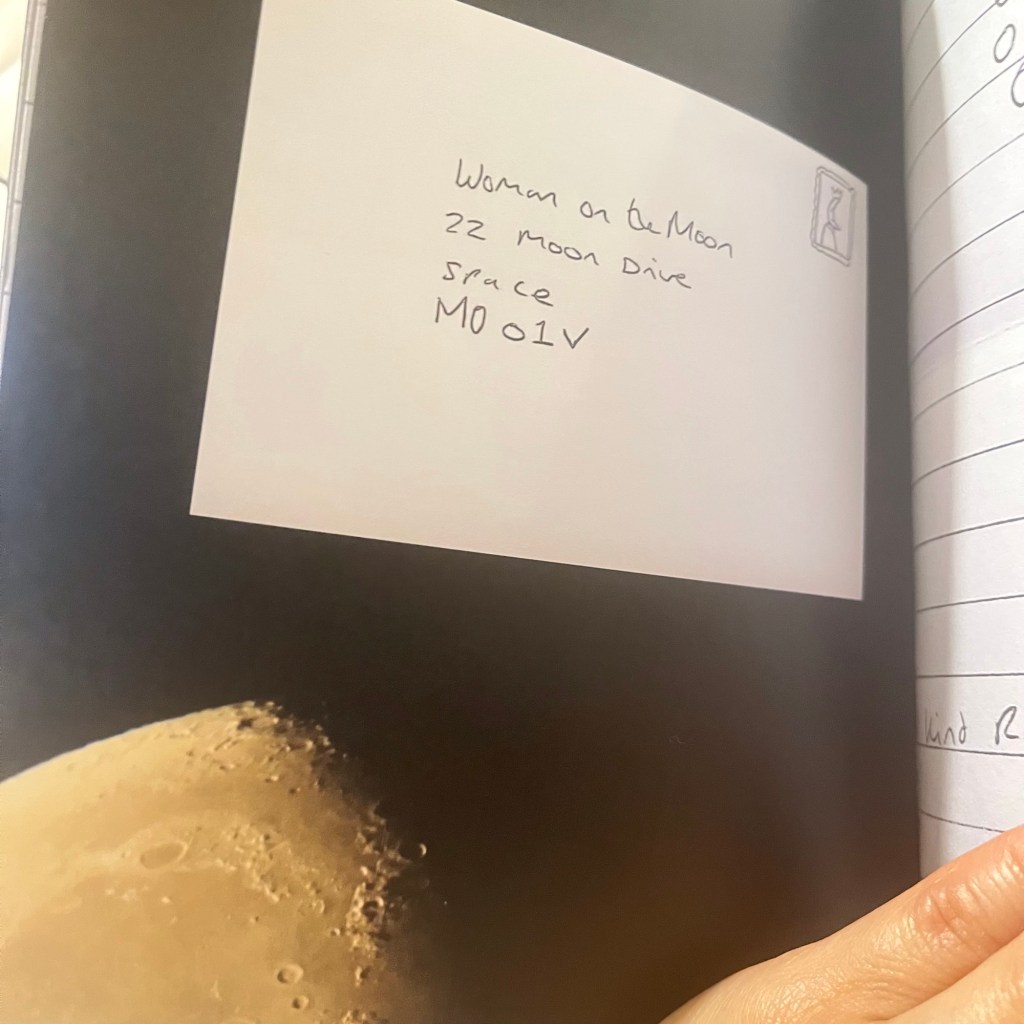
Holding the second edition feels incredibly special and precious. I can see years of effort gathered within its pages. Looking through the photographs and reading people’s letters has been deeply emotional, and it also makes me long for the years when we sent personal handwritten letters instead of quick text messages.
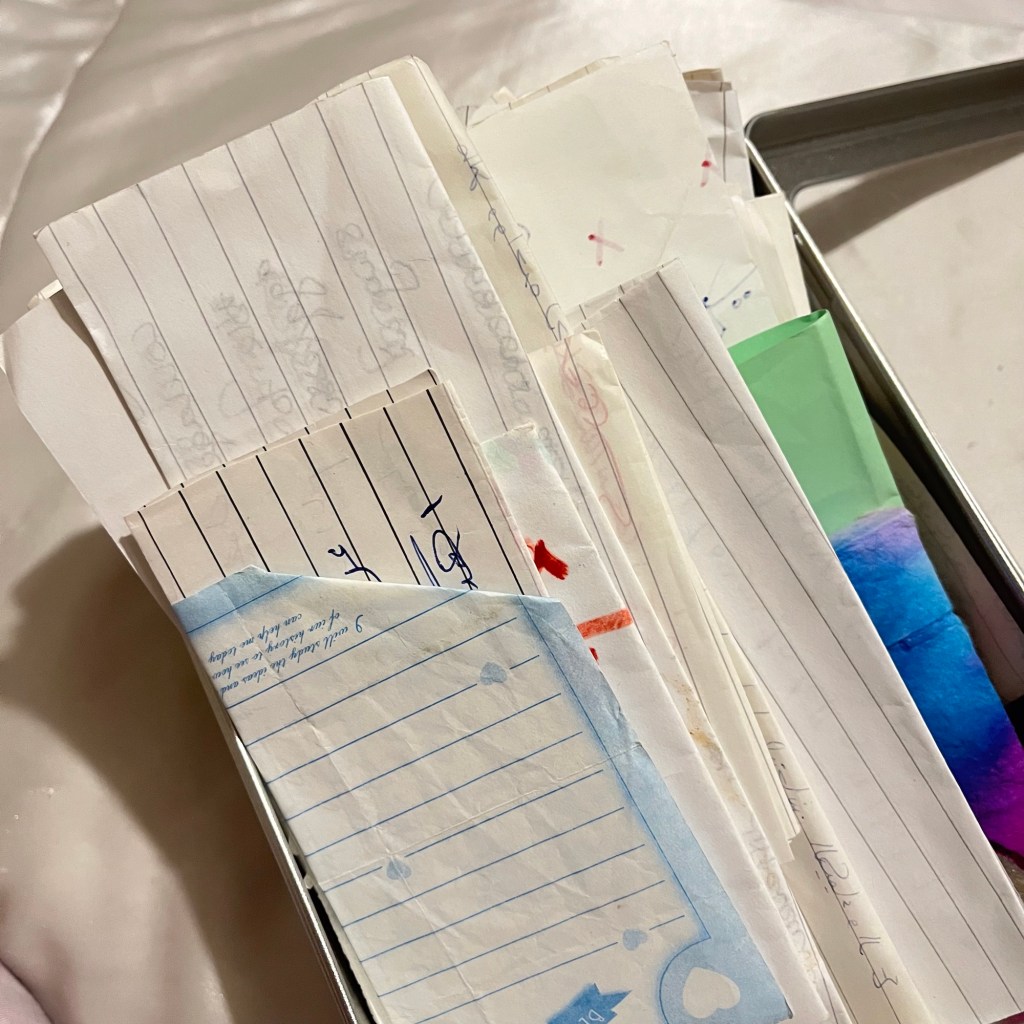
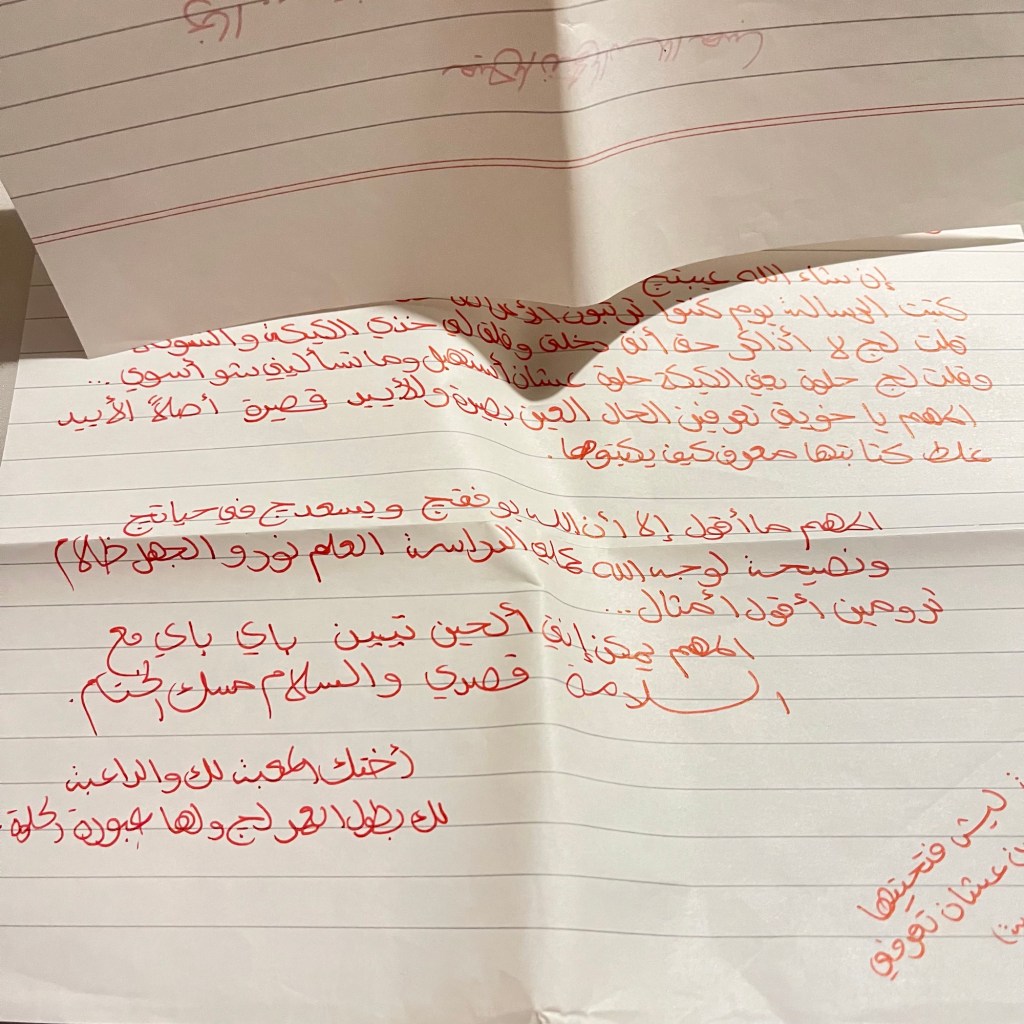
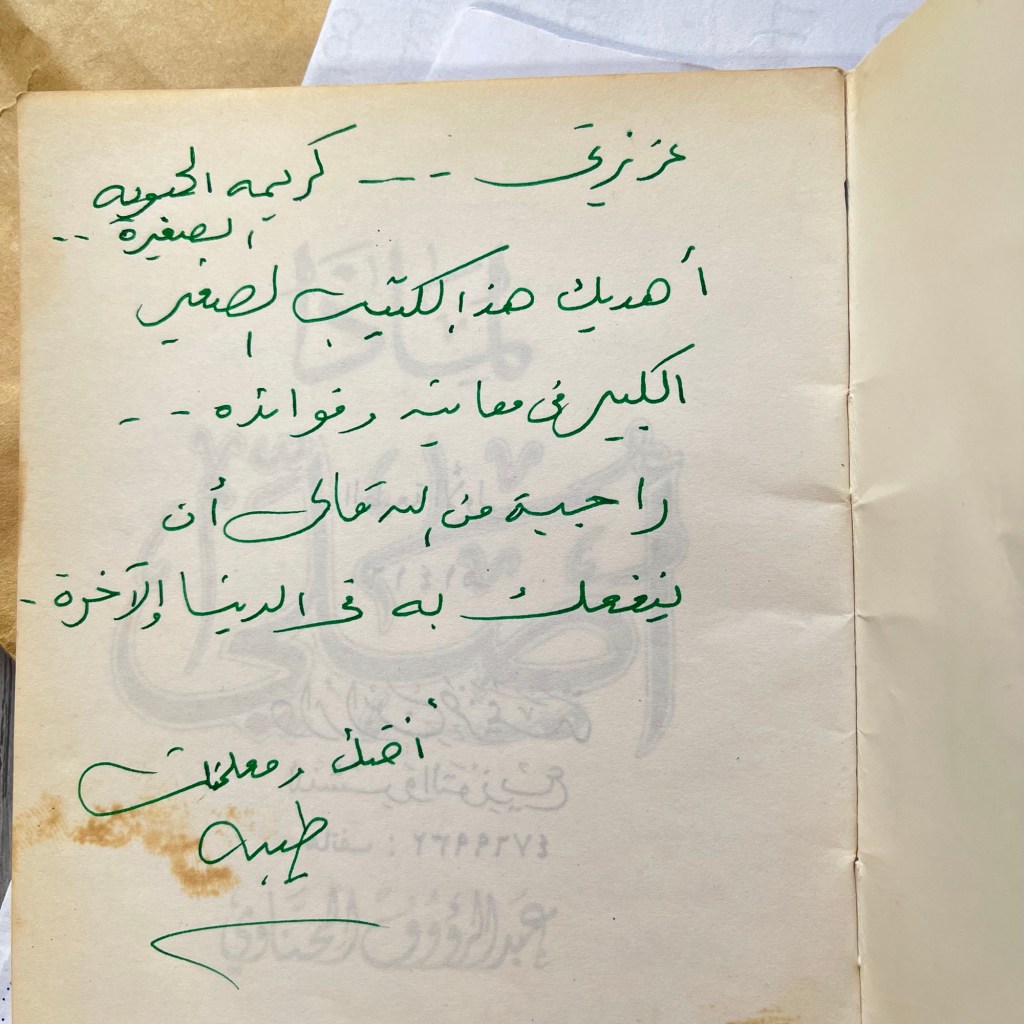
Perhaps this is why I still treasure the letters from my own childhood, safely kept in a small box. They are funny, emotional, and incredibly valuable to me, especially when I think about where everyone has ended up in life and how relationships shift and change over time. Handwritten letters hold traces of people that digital communication often loses.
As an artist with hyperactivity, and as someone who uses art as a survival tool, I made two interconnected bodies of work: a book and a tea set. I feel there’s something comforting and timeless about reading books while drinking a cup of tea.
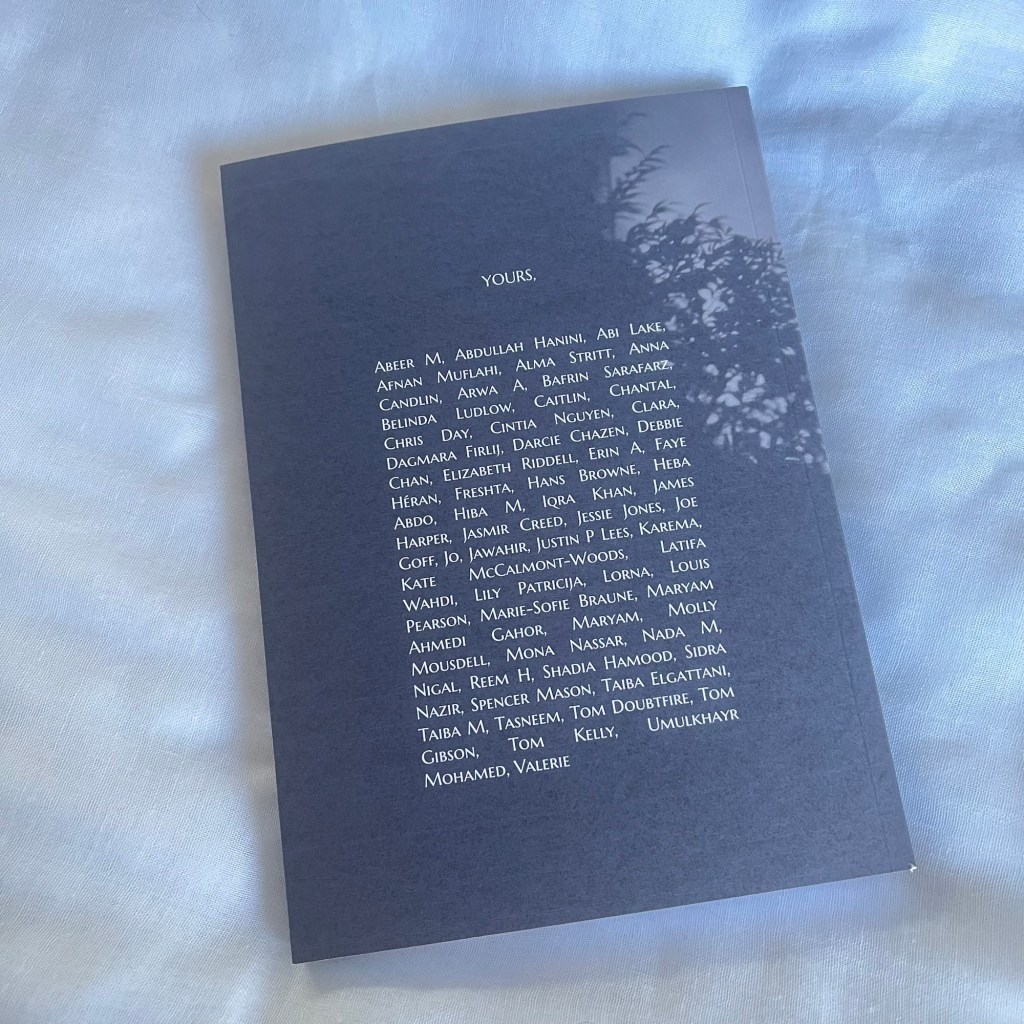
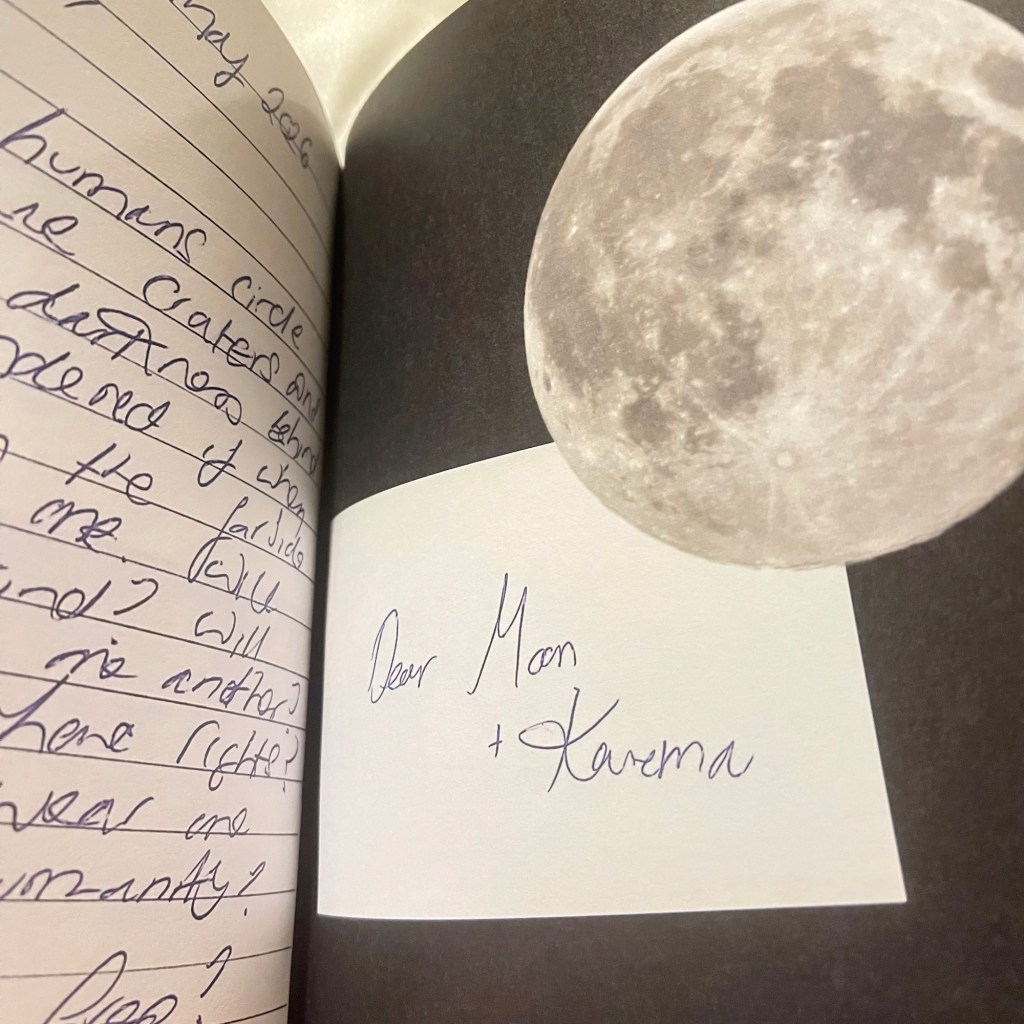
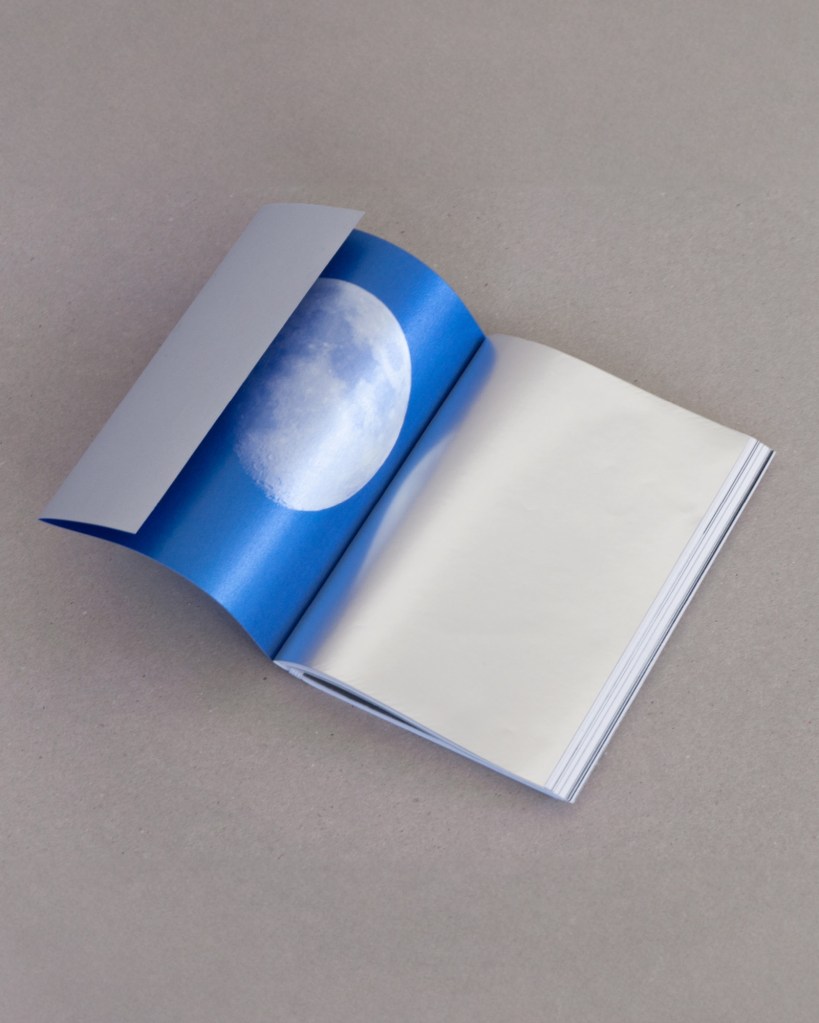
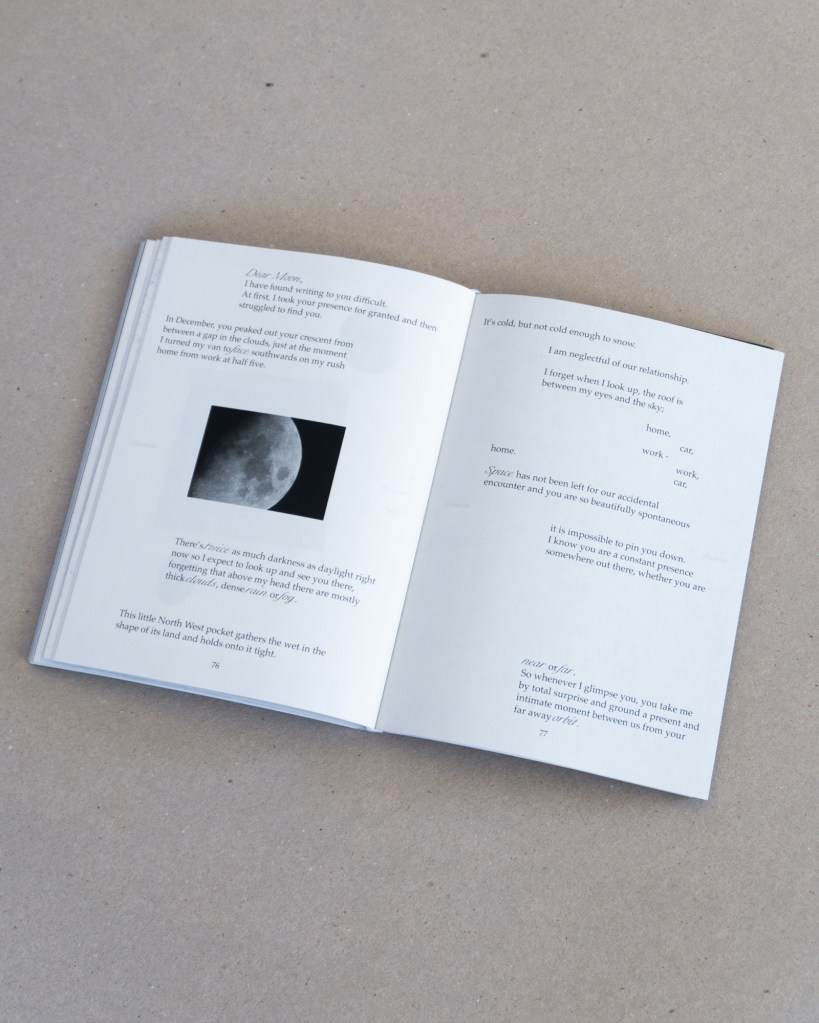
Dear Moon is the main work I have developed over the last two years, and I believe it should be the piece I present in the final exhibition. More than a book, it has become a form of social sculpture, a collective artwork shaped through care, participation, and exchange. It includes the names of 57 participants alongside anonymous contributions and my own letters woven throughout the pages. I eventually removed my name from each individual page because it felt unnecessary to repeat it so many times, especially when my presence already exists throughout the project as its organiser, editor, and contributor.
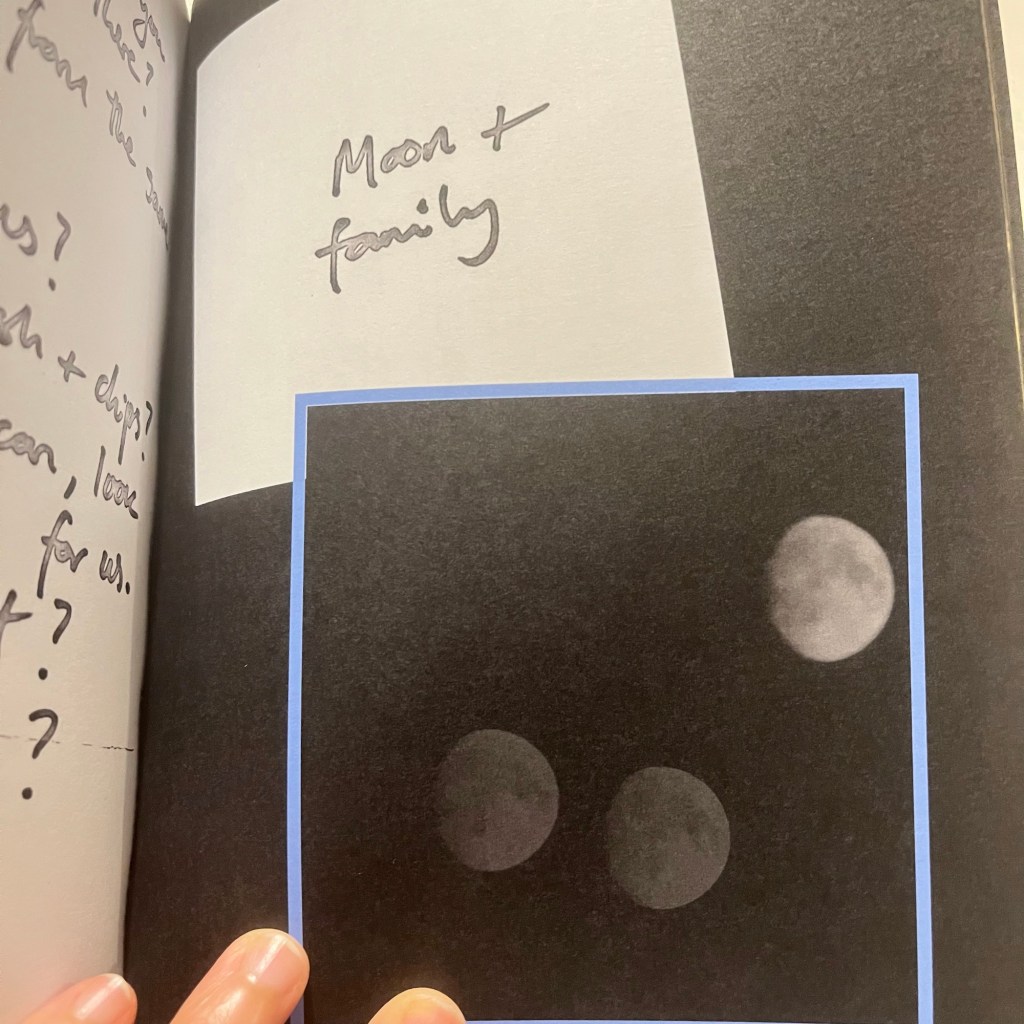
The book is 184 pages long, rich with different stories, voices, languages, and histories. Some texts date back to 1974, while others were written as recently as May 2026. Several contributors chose to write in their home languages, which adds another layer of intimacy and authenticity to the work. People continue to engage with the project and send new letters whenever I exhibit the letter box, allowing the project to remain alive rather than fixed or complete.
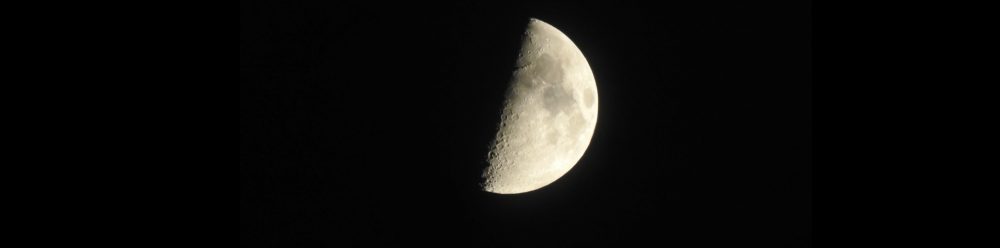
This year, I also spent much more time refining my moon photography, both while taking the photographs and later through editing, especially in relation to light and colour. The images feel more resolved and intentional now, and together with the letters they create a stronger emotional atmosphere. For these reasons, I feel Dear Moon deserves to be shown at Central Saint Martins. I’ll display two copies of the book on two different stands at different heights, one lower for accessibility and one at a standard height. I’ll also include the black letter box with paper and pens.
Copies of the book will also be available to borrow through Sefton Libraries in Crosby, Bootle, and Netherton. I also have a digital version prepared, although I’m still undecided about uploading it to my website. Part of me feels I should wait until every participant has received their physical copy first.
I’m also planning a shared reading session at Bootle Library this summer, where contributors from Liverpool will be invited to read and celebrate their work together. I hope Chris Day, the eldest participant, will attend and share the beautiful story she wrote about the moon in 1974. Another participant I would love to attend is Belinda Ludlow, another mature participant who studied English Literature some time ago. She told me she has always found it difficult to publish her writing because she tends to approach it from a highly analytical perspective. Hopefully, her letter to the moon will become the first step towards restarting her writing journey.
What I love most about Dear Moon is that it carries a genuine sense of community, care, and mutual respect. It reminds me that art can hold people together across generations, languages, and experiences.
Next month, I’ll deliver a Dear Moon workshop as part of the come back programme, in collaboration with the Arab British Centre and Longsight Art Space in Manchester. This will be the first Dear Moon workshop outside Liverpool.
https://www.arabbritishcentre.org.uk/whatson/as-we-are-creative-exchange-day-the-comeback/
The programme supports adults who have taken long breaks from creative practice, or who always wished they had the opportunity to study art. My workshop will focus on building connections, encouraging confidence, and demonstrating that art does not require expensive materials or complicated equipment. Art begins with stories, and every person carries a story worth telling.
Another meaningful part of this experience was being asked by the Arab British Centre to create a very short 30 seconds video for social media. Their request was inspired by something I had spoken about previously: how, after having children, I rediscovered creativity by making art personal rather than treating it as a chore, something meaningful that didn’t depend on money or expensive materials.
At first, I thought, “This is even harder than the 3 minute video Jonathan asked us to make” I asked a filmmaker friend whether 30 seconds could truly hold a story, and she replied “Plenty of time!”
So, the first thing I did was write my words and record my voice so I could understand the rhythm and timing. I removed unnecessary sentences and focused only on the essence of what I wanted to communicate. Afterwards, I asked a friend to help me film footage at St George’s Hall.
I made the video in Arabic because the programme hopes to reach Arab participants, but I also included English subtitles so everyone could feel welcome and included. The process felt surprisingly natural, and I realised how much the short film assignments from the course had prepared me for this experience. It showed me how learning within an educational structure can become a practical tool in the real world.
Also, in July, I’ll be running a family creative session as part of the Liverpool Arab Arts Festival 2026.
Looking ahead, I can already see Dear Moon continuing to grow through more workshops, new letters, exchanges, and future collaborations. In particular, I’m planning to publish Dear Friend in 2027, a book that will carry replies from the moon.
I’ll also be co-producing Turkish Day at the library in December 2026 and helping organise a Community Iftar at the library in February 2027.
So rather than feeling like the end of the MA, it feels like the beginning of a much longer conversation, where all this knowledge can continue to grow and live within my work and everyday life.
With lots of gratitude,
karema 😊




 Karema