When I arrived in the UK, everything felt strange and new, but your face was the only one that remained old and familiar…

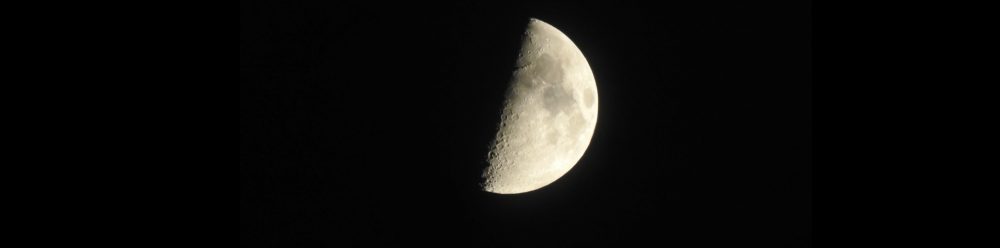
Today, I led a moon workshop at St George’s Hall, after weeks of preparing for the upcoming exhibition Home and Away, organised by artist Mariana Sequera. The project explores ideas of home, displacement, and migration. It’s a concepts that seem simple at first, but quickly unfold into something more complex the moment you invite others in.
Recently, images from Artemis II showing the Moon’s far side, pulled me back to the letters. I found myself rereading them, and with that came a quiet but firm feeling: it’s time to finish the book, and to stop collecting more.
While sharing the open call for Home and Away and encouraging people to participate, I noticed how easily themes like displacement are interpreted in narrow ways. There is often an assumption that such experiences belong only to certain groups, and not to others. This made me reflect on how art spaces frame experience, and how belonging is often defined, sometimes invisibly within those frames.
Since last year, I’ve chosen not to rush the second Dear Moon book. I’ve learned that timing is not separate from the work. Showing something in the wrong moment or context can mean it’s overlooked, or misunderstood. This awareness is shaped by my position as a woman, a mother, and a Muslim, identities that are often underestimated, even by those close to me.
I’m learning to resist two opposing pressures: the demand to remain constantly visible, and the quiet acceptance of being marginalised. Somewhere between these, Dear Moon has become a space of its own. Writing to the Moon creates a particular kind of room, it allows for distance, but also intimacy. The letters themselves hold so much. They open memory, reflection, and connection. There is something therapeutic in that, but I try not to reduce it to therapy alone. Each contribution carries its own layers.
C, a retired nurse, shared a story she wrote in the 1970s, along with a receipt showing she was paid £8 when it was broadcast on Miri Mawar, a programme on Welsh HTV. Including her work now brings different times into conversation with each other, raising questions about value, recognition, and whose voices are remembered. In contrast, A’s drawing of the Moon’s phases offers another way of understanding participation. As a child with severe physical and learning difficulties, his contribution gently disrupts expectations of what artistic expression should look like. The Moon’s cycles, appearing and disappearing feel like a quiet reflection on resilience and change.
Through all of this, I’ve started to think of trust as a material within the work. People are not just contributing content..they are offering something personal. That comes with responsibility: to hold these contributions with care. As the book nears completion, I feel both excited and uncertain. I want to hold it, but Im still thinking about how to share it. In previous exhibitions, Dear Moon often felt unresolved, shaped by time pressure, or by divided attention.


 Karema