Posted in 2024/2025, Project, Research, Writing

Moon Letters and Shared Stories at Bootle Library

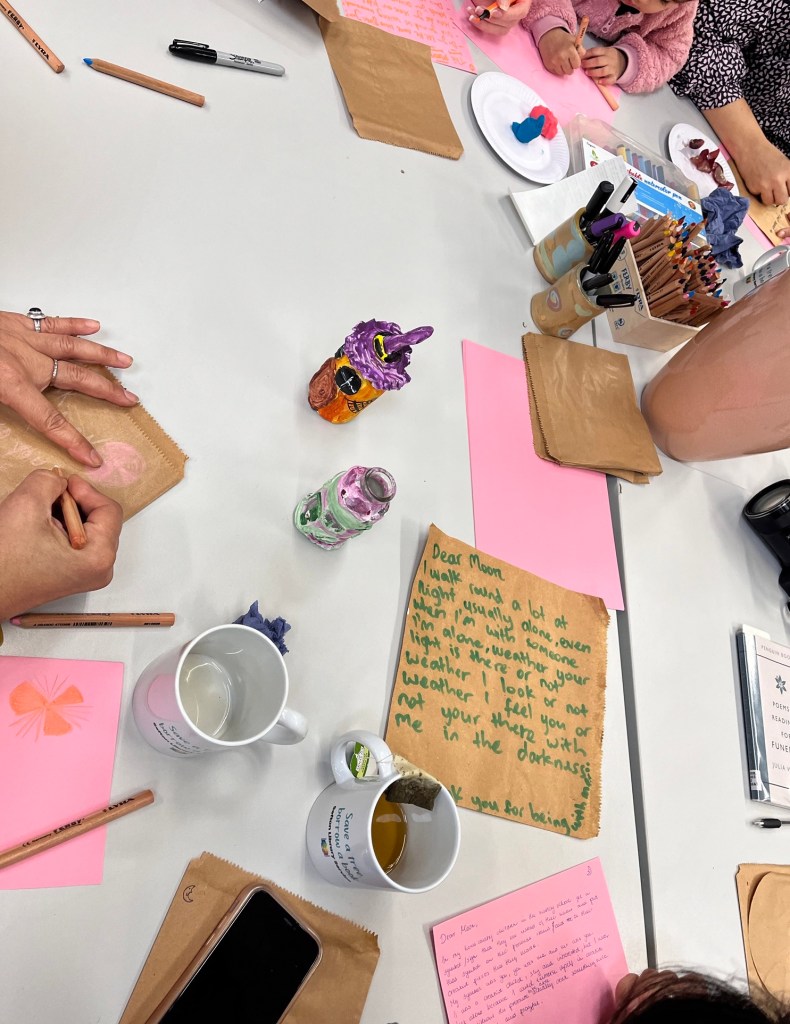
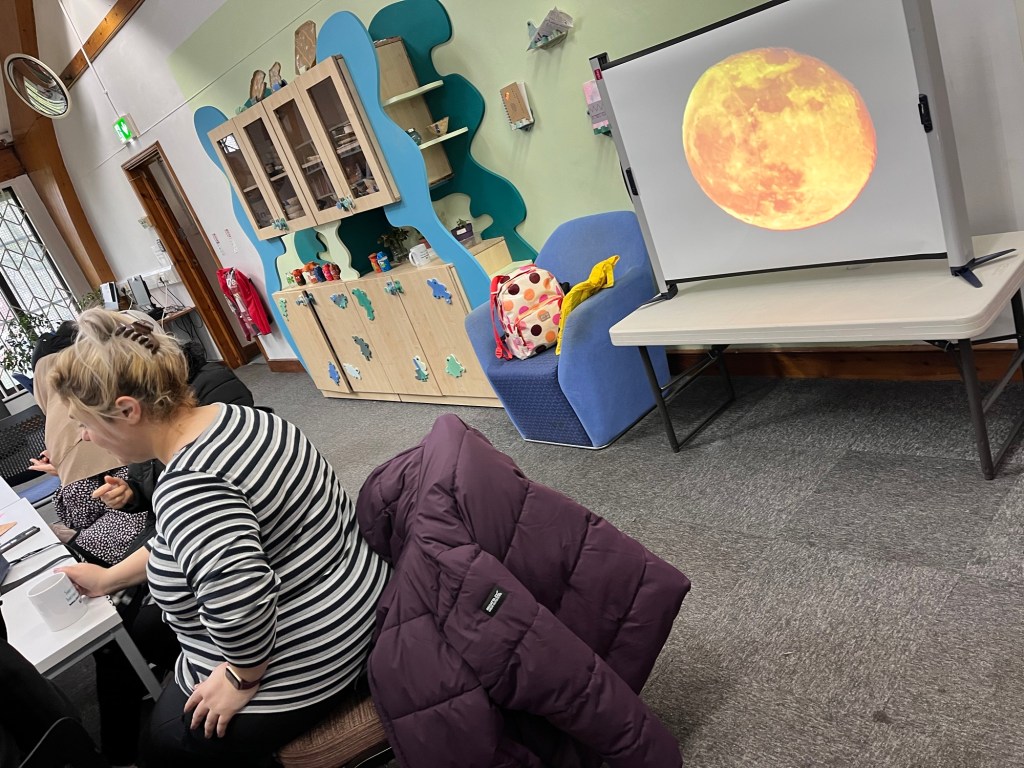
Today, I led a session at Bootle Library with my usual cultural group of ladies, joined by my colleagues from Rule of Threes, a representative from Liverpool Biennial, and artists from Darch Collective. It was a special gathering, as we’ll be contributing to their work for Liverpool Biennial: Bedrock 2025.

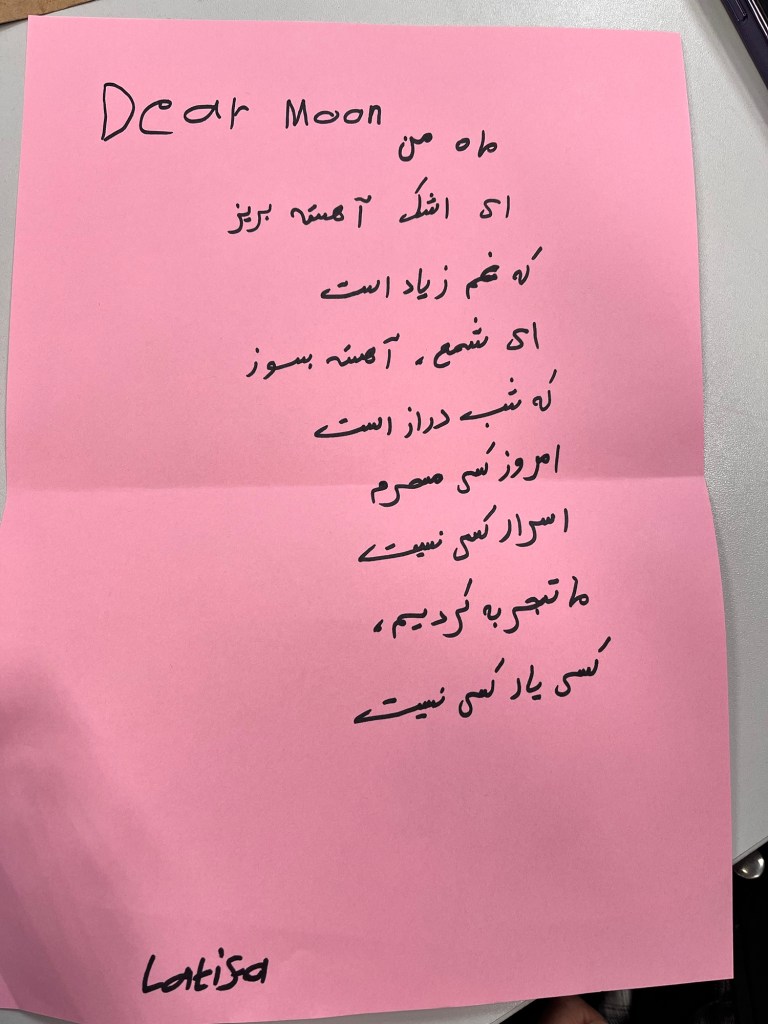
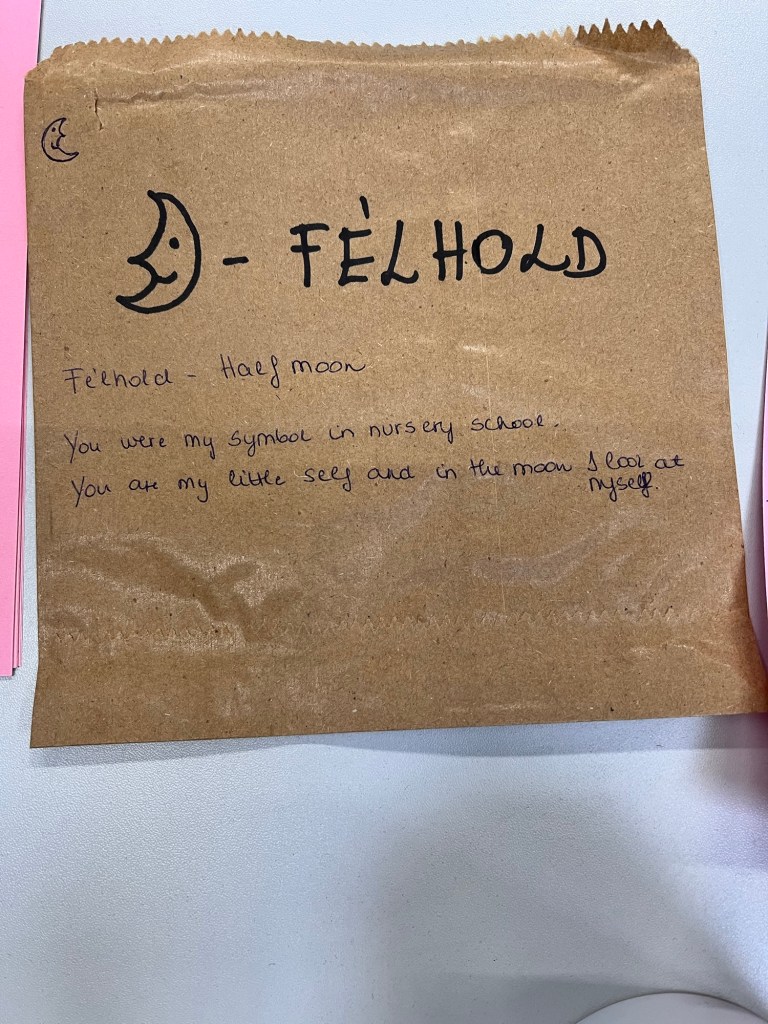
The session had a wonderful turnout, and I received 15 more letters for The Moon Letters project. I’m so grateful to everyone who has taken the time to contribute, and I can’t wait for the moment when I finally hold the book in my hands.

There’s something deeply personal about letters. I find myself attached to each one, treating them as precious objects. They arrive in different ways: through messages, emails, and in person. Each carrying unique thoughts, emotions, and perspectives. People respond in their own way, and I appreciate every word, every feeling that has been shared.

This project is becoming more than just a collection of letters, and  I’m excited to see where it leads and to share these stories with a wider audience.

https://atthelibrary.co.uk/projects/the-colour-of-pomegranates/
Posted in Reflection, Research, Writing

Letters to the Moon as Social Sculpture: Reflection

In my ongoing exploration of social sculpture, Letters to the Moon stands as a testament to how art can shape social spaces through collaboration. Rooted in Joseph Beuys’ concept that everyone is an artist and society itself is a work of art, this project reflects the interconnectedness between individuals and their collective contributions.

The project is inherently collaborative. By engaging artists and the public, I aimed to dissolve barriers between “individual” and “community” artmaking. Each submission becomes part of a greater whole—like letters sent to a shared destination, carrying unique perspectives yet contributing to a collective narrative.

This process mirrors my research interest in social sculpture: how creative practice can transform not just physical objects, but relationships and shared understanding. Letters to the Moon creates a social space where people from diverse backgrounds, ages, abilities, and styles co-exist, their works forming an invisible conversation with one another.

At its core, my work often explores the complexities of communication. In Letters to the Moon, the art itself becomes a form of communication—visual “letters” that reflect feelings, thoughts, and experiences. By curating these individual voices into a unified book, I aim to highlight how creative gestures, when shared, can transcend the limits of language and hierarchy.

Social sculpture is about more than the artwork itself; it is about the relationships, processes, and transformations that occur along the way. Through Letters to the Moon, I have witnessed how this project fosters a sense of belonging, participation, and emotional resonance. It invites artists to engage in a collaborative process and, in doing so, creates an artwork that is as much about the process as the final outcome.

Photo credit: Donald Takeshita-guy
Dear Moon,

I know why you are called the Moon–because you say ‘mo’ and ‘on’. By Arwa (6 yrs old)

Posted in Reflection, Research, Writing

Letters to the Moon

Photo credit: Donald Takeshita-guy

Letters to the Moon is a social sculpture that explores how art can connect diverse experiences, emotions, and perspectives, fostering meaningful dialogue between art and the wider public.

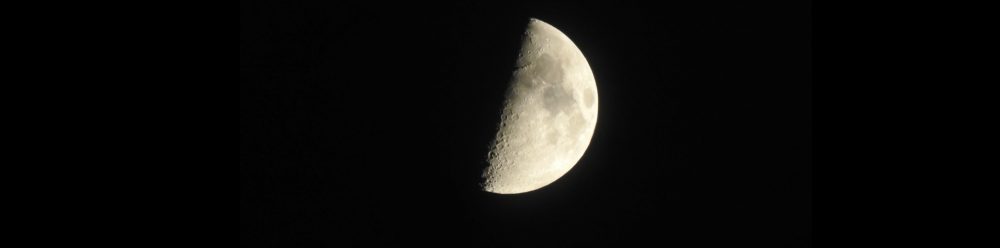
To bring this vision to life, I invited family, friends, artists from Creative Peers, members of Ghost Art School, MA classmates, and the public. Donald kindly extended the invitation and offered people some brown paper bags to write their letters on. This act of kindness touched me and made these letters more special as they are handwritten. Each participant receives a unique moon photograph, carefully selected from a collection of 670 images I have captured since 2018.

The responses have been both inspiring and humbling. People with distinctive styles and personal voices have contributed works that reflect a broad range of emotions and narratives. A key aim of this project is to ensure that people outside the art world feel encouraged to take part, breaking down the barriers that can make creative engagement feel intimidating.

This project, while still ongoing, has already reminded me of the importance of artistic variety and community. While numbers have been promising, I hope they will continue to grow as more people see themselves reflected in this vision. I look forward to the next steps—curating these works, weaving them into a book, and creating something that speaks to the complexity of art as both a personal and collective process.