Posted in 2025-2026, Assignments, Reading, Research, Social Sculpture, Writing

MA Fine Art Digital Student Research Paper

Some advice from someone who went through this during one of the strangest periods of my life: first, believe me you will be fine! Secondly, anyone who has reached this point is capable and already moving in the right direction.

Choose what genuinely interests you. Read from different sources and use their reading lists, references, and resources to trace where ideas began. Have conversations with yourself about your work, explain what you are doing as if you were lecturing a BA student or leading a workshop; ask yourself what you would share and why!

You don’t need to read every book from the first page to the last.. Use the index to search for your key words, this is especially helpful when time is tight.

After I submitted my final assignments, I shared my research draft with my artist friends and just received praise. Later, I shared it with a friend who is a midwife and a PhD researcher in gynaecology. She gave me the most valuable feedback and asked thoughtful, constructive questions. This made me feel genuinely confident about the work; if someone outside your field can engage with your writing , that is a very good sign. My advice, therefore, is to share your second draft with the right non-artist friend from a different profession. It can open your eyes to perspectives that no artist including yourself could see.

Some “Don’t” Advice I Wish I Had Given Myself!

  • Don’t leave “small” tasks until the last minute.

They are the easiest to forget and can cause unnecessary stress close to submission, title’s page, formatting, construction, references, PDF …etc

  • Don’t rely on memory alone when submitting work.

Overwhelm and fatigue can make important details easy to miss, use a checklist instead, revisit the research guid’s page on your course blog!!

  • Don’t rename files by changing word order.

Playing with wording in file names can quickly become confusing; numbering drafts is far clearer.

  • Don’t hesitate to explain personal circumstances.

Even if it feels close to the deadline, communicating difficulties puts you on safer ground.

  • Don’t limit your reading to your own cohort’s blogs.

You miss valuable learning by not looking at work from earlier years.

Final Paper:

Third Final Draft:

Second Draft :

First Draft:

Posted in 2025-2026, collaboration, curation, Project, Research, Social Sculpture

Wedding At The Library

12/12/2025

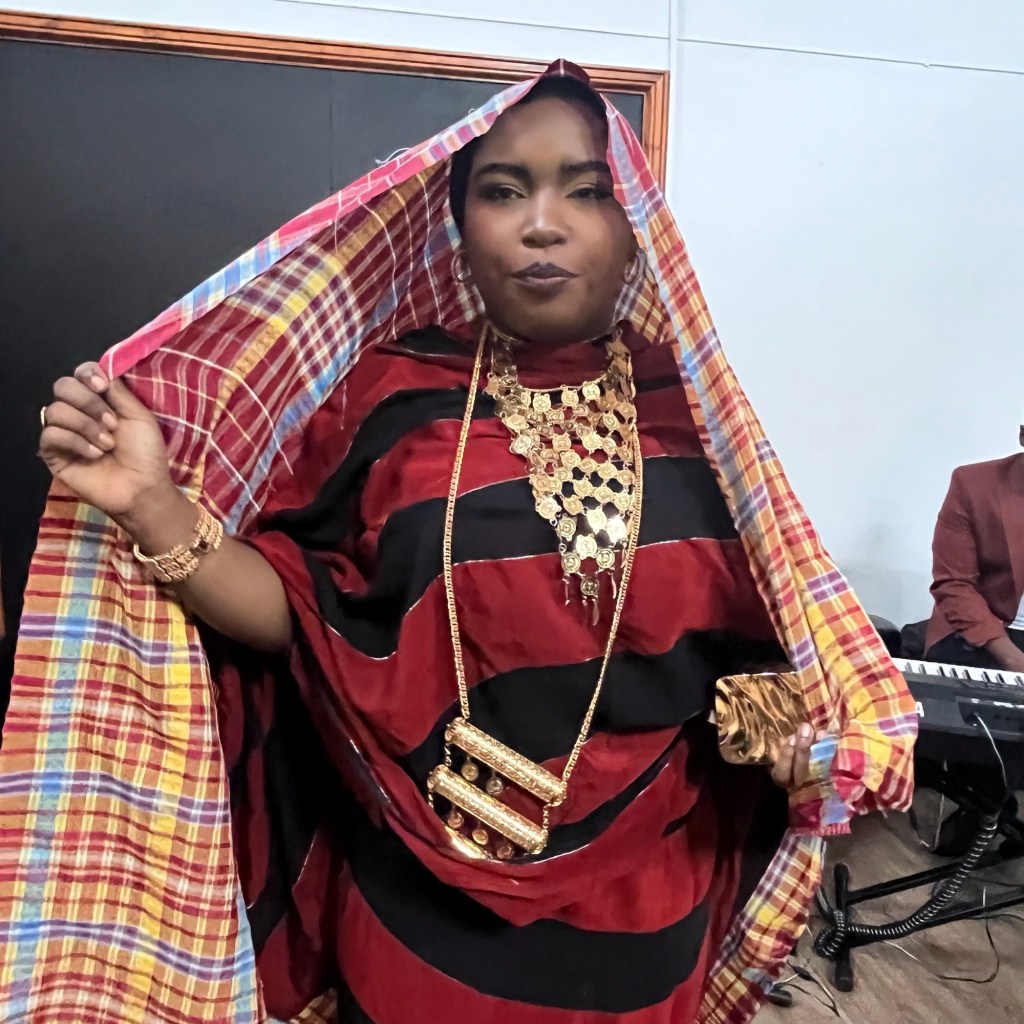
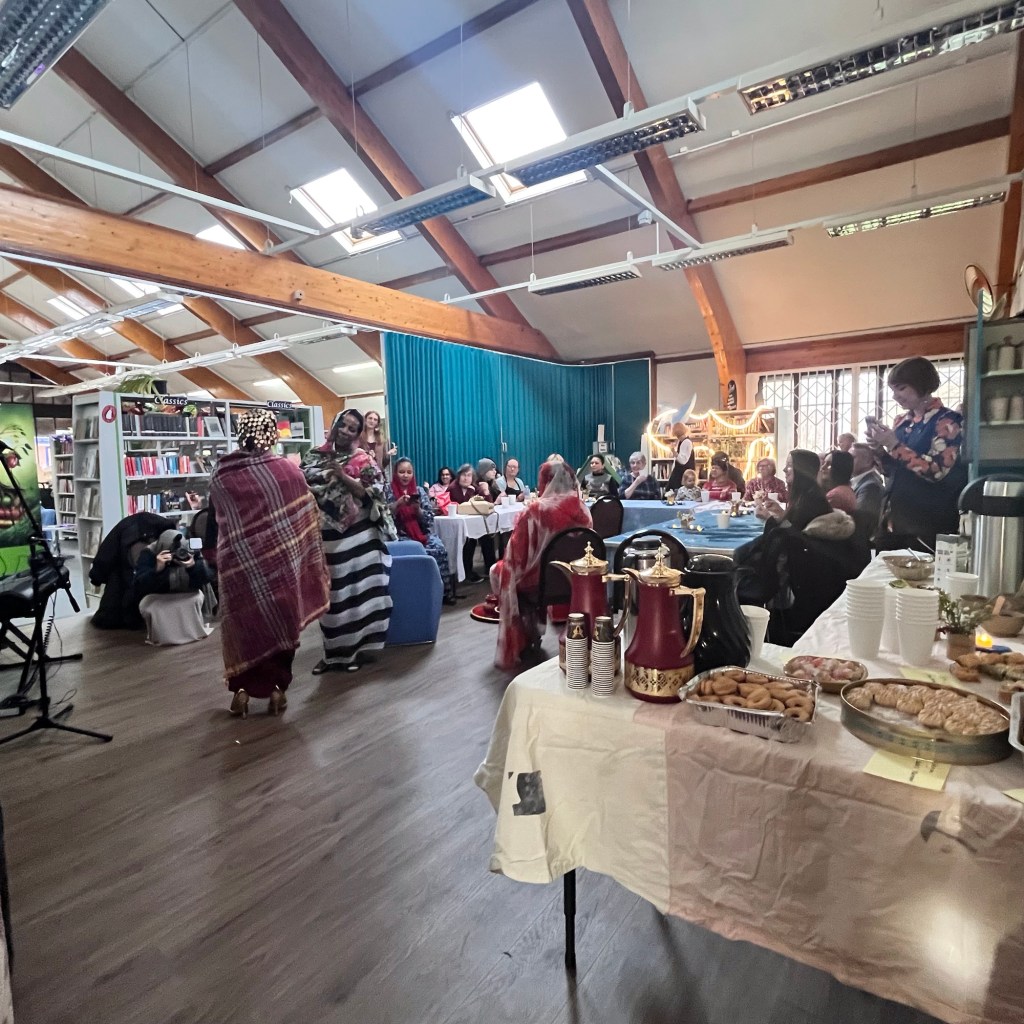
This month I co produced a Sudanese wedding ceremony at the library. The work used a familiar civic space to hold a cultural practice that is usually private, celebratory and communal, placing it in dialogue with public life. While the process was challenging, it opened the library as a site of encounter rather than quiet consumption, attracting visitors who came not only to observe but to learn and witness together.

The project emerged from my fortnightly creative sessions at the library, which I facilitate with a group of participants to support newly arrived women and children to connect, settle in Bootle, make friendships and practise English through informal and collective activity. These sessions operate as a slow infrastructure of care rather than a fixed outcome. The wedding ceremony was not pre planned by me, but proposed by the Sudanese women themselves, who expressed a strong desire to share their wedding traditions.

My favourite clip shows a library visitor dancing at the back with a child

At a time when Sudan is experiencing profound political and humanitarian crisis, my role was not to represent suffering but to create conditions for self representation. Social sculpture, in this context, becomes an ethical practice of listening, redistribution of authorship and trust. Two women developed the idea of the ceremony, another joined to perform the pride ritual wearing traditional jewellery and clothing, while a Sudanese musician volunteered to provide live music. A young filmmaker offered to document the event, and participants brought desserts to share with guests. Each contribution shifted the work further away from individual authorship and towards collective agency.

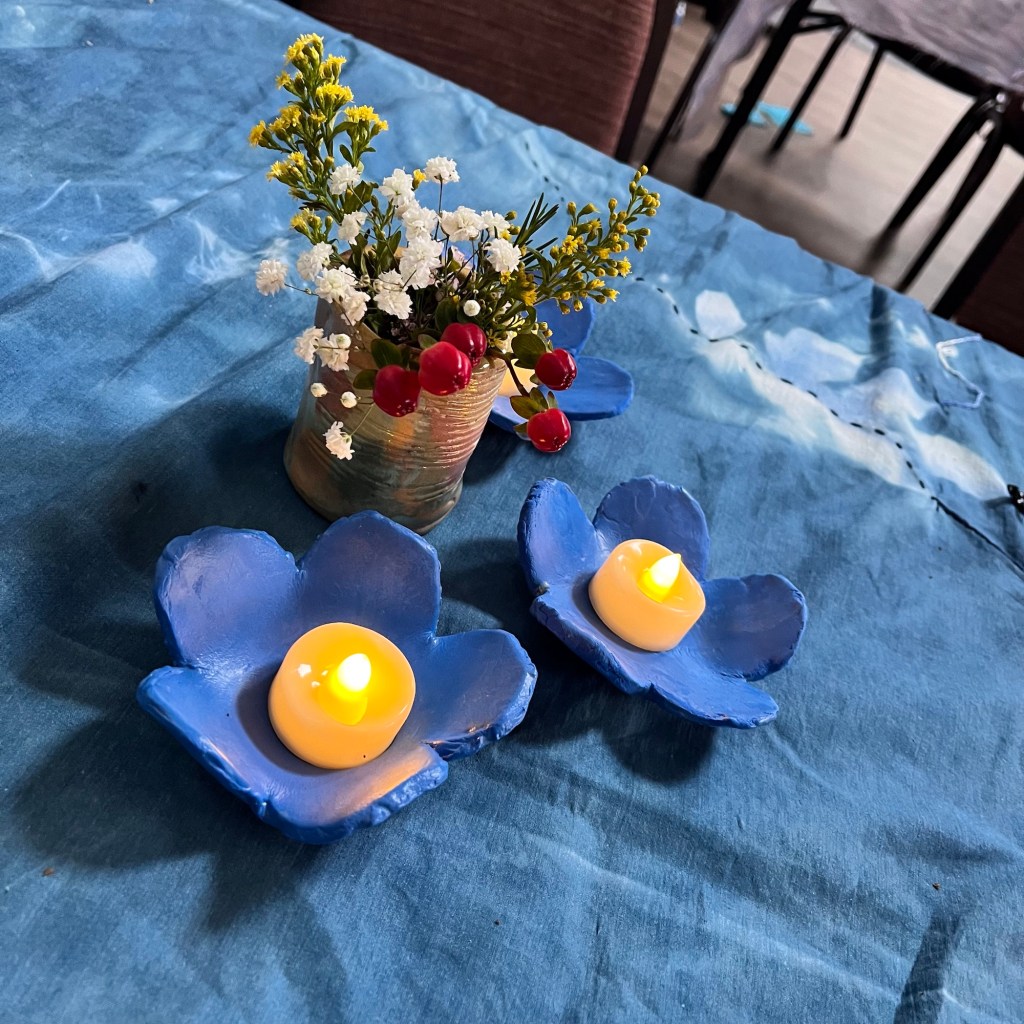
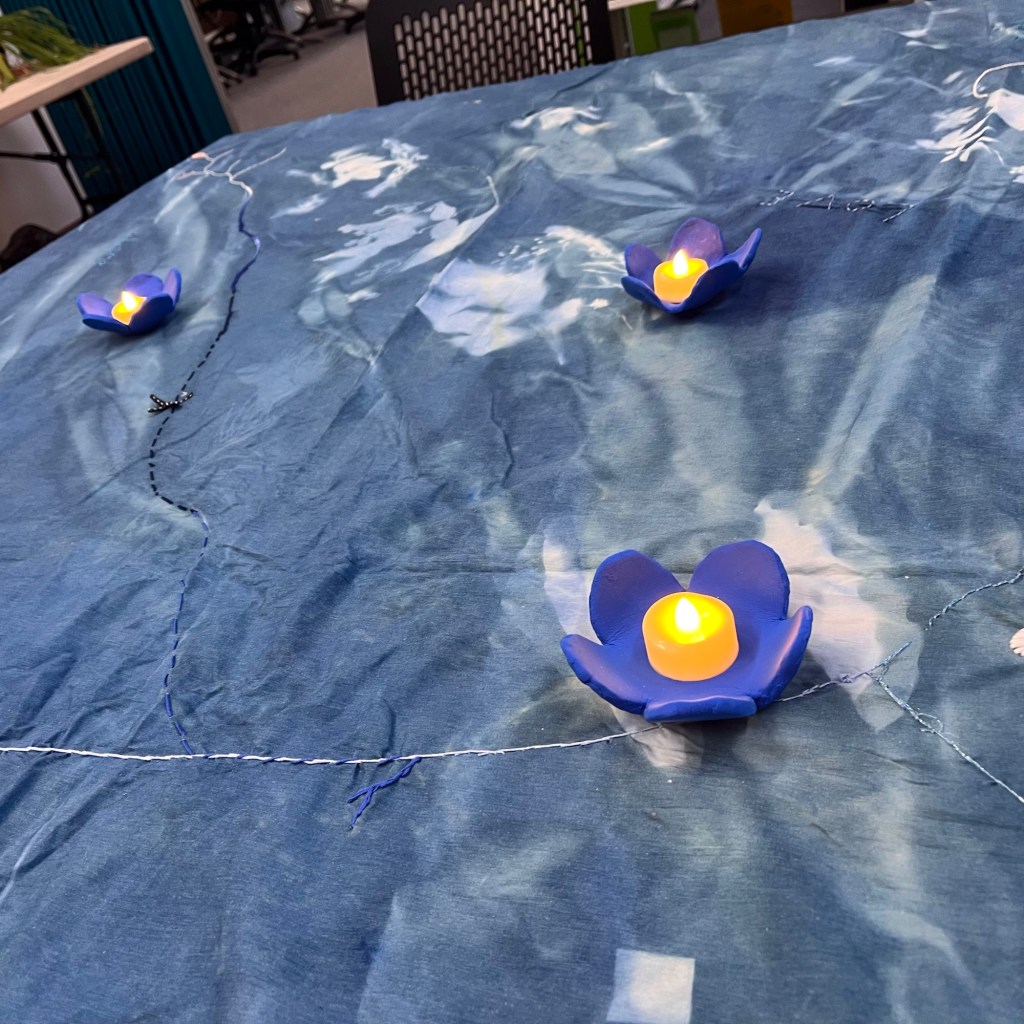
The material and practical elements of the event were equally collaborative. My colleagues from the Kitchen Library, Niamh and Greg, cooked a Sudanese ful recipe alongside one of our Sudanese participant and other regular volunteers. In an earlier session, we made tealight candle holders specifically for the ceremony. A young native English speaker asked to help, so I invited her to lead a simple workshop using air dry clay. This gesture disrupted assumed roles of helper and helped, positioning participation as reciprocal rather than charitable.

The work required shared energy and care, particularly during a period when I was navigating significant personal challenges. It would not have been possible without collective support, especially from artist Joe Goff, who co produced the programme with me. Social sculpture here is not symbolic but logistical, emotional and temporal, shaped by availability, exhaustion and trust. It asks not what is produced, but how people are held, and what it means to be human here and elsewhere.

The audience reflected a wide range of cultural backgrounds, with many people wearing traditional dress. What continues to surprise me is that white, native visitors often attend these gatherings in greater numbers than people from the global majority. Their presence is marked by curiosity and attentiveness, contradicting dominant narratives that frame cultural difference as a threat. The work quietly resists fear by offering proximity, time and shared experience rather than explanation.

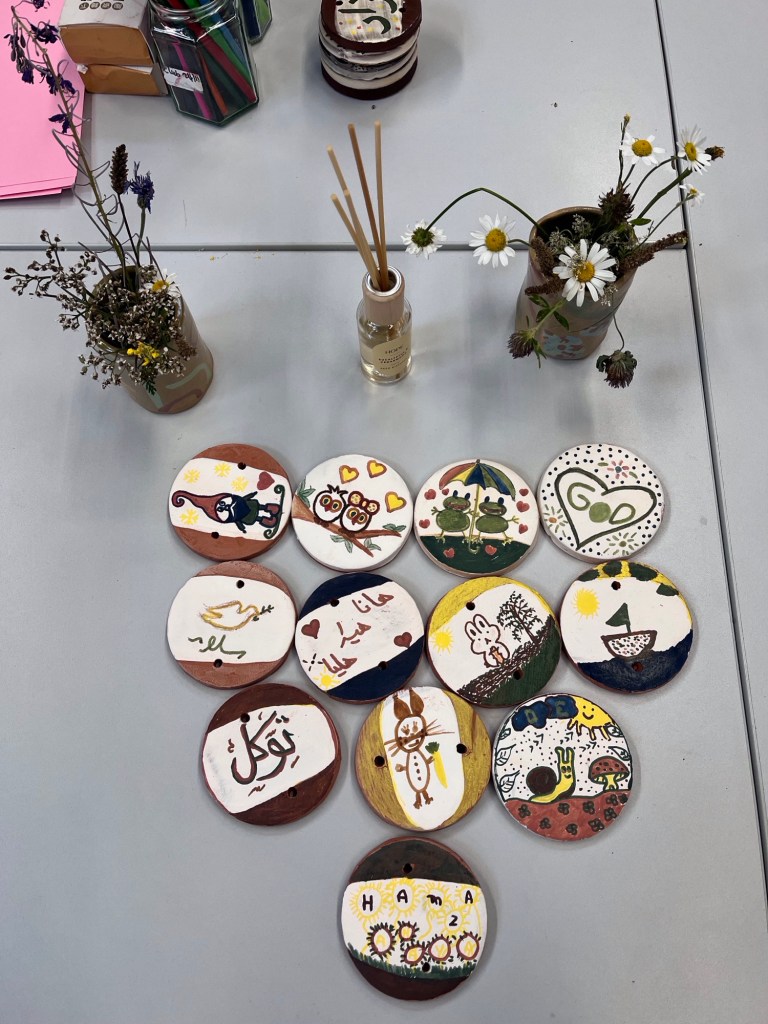
This approach connects to last year Iranian celebration I produced at the library during a period of heightened political tension. Food prepared by an Iranian participant and an Iranian chef, including vegan rice and saffron pudding, was shared alongside music. Ceramic coasters I had made and later decorated by women and children were placed on the tables, functioning as both objects and traces of process. 

The music and dancing marked the most memorable moment at the end of the event. The shared rhythms of Iranian, Kurdish and Afghan cultures brought people together to dance, filling the space as others looked on with quiet admiration.

Visitors, including people from the Afghan Refugee Centre and staff from Sefton Council, expressed gratitude for the experience, not as an act of hospitality delivered to them, but as a moment of living!Within my MA research, these projects operate as social sculptures that prioritise relational labour, slowness and care. They resist spectacle and instead test how public institutions can temporarily become spaces where people are not spoken about, but speak, host and shape meaning themselves.

Posted in 2025-2026, Moon, Reflection, Writing

Observing the Moon

4th Nov 2025, 11:01pm

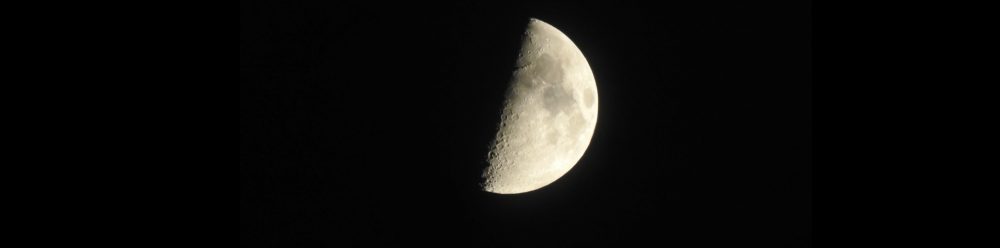
Watching the last full moon of 2025 felt unexpectedly emotional. It was calm, yet it carried the feeling of an ending. Standing beneath it, I became aware of how much the year had held, and knowing it was the final full moon of the year added to its weight.

The year won’t close with certainty or clarity, but that feels honest. Some things remain unsettled, and perhaps they are meant to. Was it a success or a failure? Worth it or not? Happy or sad? Peace or war? Friend or enemy? Continue or leave? Life always carries these questions. But the moon reminds us that there is always a return. A new moon will be born, and the phases will continue, because the moon does not seek resolution.

There was a quiet mix of emotions, gratitude, sadness, relief, they all sharing the same space. I felt small under the sky, but not alone. The moon remained constant shining whether it was seen or not, especially in UK weather and that brought a sense of comfort. Sometimes it is not important to be seen, as long as you carry your own light. Clouds may block it for a while, but they can never take that light away.

Posted in 2025-2026, collaboration, Motivations, Reflection, Research, Uncategorized, Writing

Feedback!

What can I say… this experience has reminded me why I love working collectively and why it is so important not to rely on a single resource or only on self-knowledge.

Giving feedback as a group is such a powerful idea and such a beautiful way to enrich one another’s reflection on our practice. I genuinely loved sharing my thoughts with each of my peers and reading theirs in return. The work is amazing, it expresses human experience in such diverse ways, full of richness, honesty and genuine emotion. I felt truly honoured to be among them and lucky to witness their progress over time.

It was emotional to reflect on how we are growing together, holding each other’s hands virtually on this journey with such care and generosity. It reminded me of Jonathan’s first session in October 2024, when he spoke about kindness and compassion and how these could become the strength of our collective and our cohort. Throughout the course, he has guided us with constant care and kindness, so it is no surprise that he created this opportunity: for each of us to write short feedback for one another on a shared Miro board dedicated to every artist.

My peers’ feedback has genuinely boosted my confidence and trust in my practice. Of course, there are always things missing, intentionally or not, due to circumstances and the challenges of process. But receiving feedback that recognises your efforts is deeply energising, especially as a socially engaged artist, where the social aspect is the heart of the work.

I will definitely return to this Miro board whenever I need to. It has become a beautiful space, full of thoughts floating in this quiet corner of cyberspace.