Recently, I tuned into Artists That Write, a fascinating session hosted by We Are Axis, featuring Roy Claire Potter, Roo Dhissou, and Madinah Farhannah. Listening to them discuss their practices and read their work was both inspiring and thought-provoking. It’s always exciting to hear how other artists navigate the overlap between visual art and writing—a space I feel I occupy but have never fully claimed.
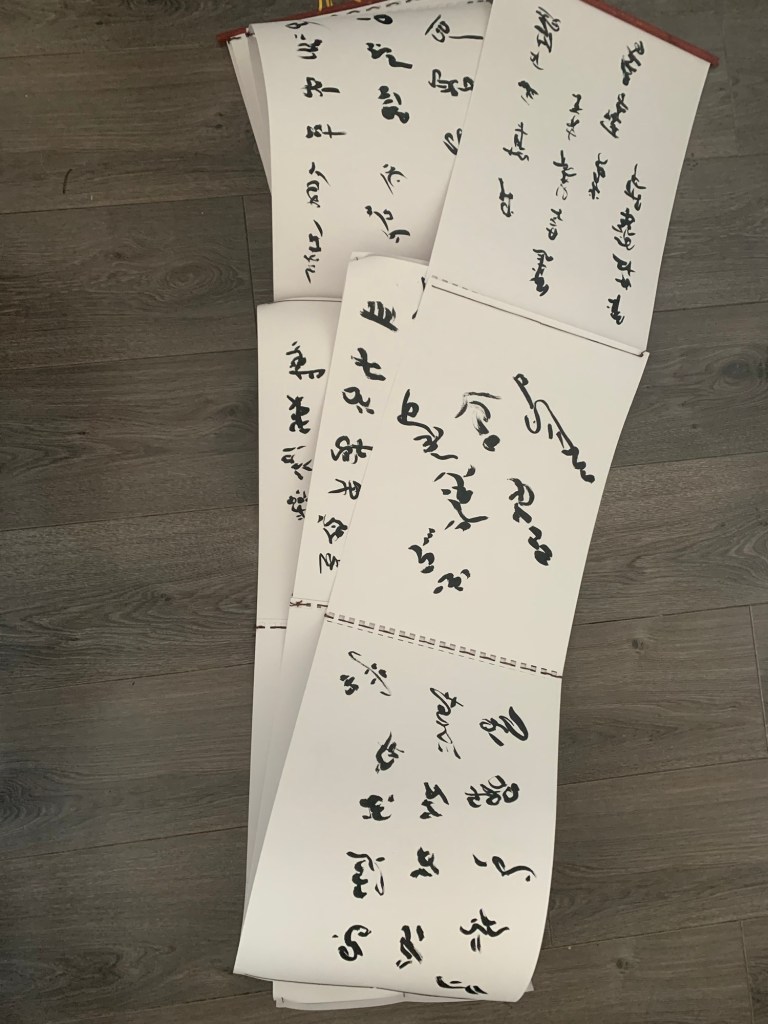
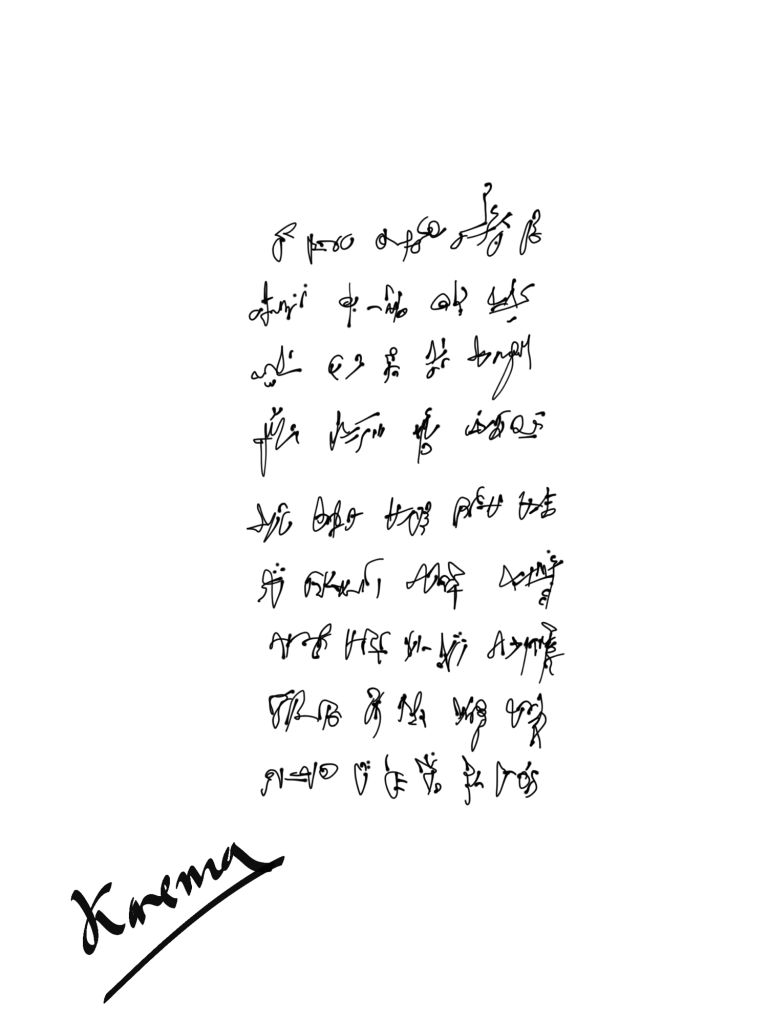
I’ve always loved writing, but I hesitate to call myself a “proper writer.” Writing feels more like another medium to me, something I play with and manipulate, much like clay or paint. I resist the constraints of inherited rules about “how” one should write, preferring instead to follow my intuition. As an artist, I’m not aiming for polished prose or perfect grammar; I’m exploring, experimenting, and communicating without borders.
Roy Claire Potter’s reflections particularly resonated with me. They spoke about being more interested in methods and how you make things rather than what you make, which aligns so closely with my own approach. Roy shared insights into a piece they created ten years ago, Mental Furniture, which involved a broken manual typewriter. I’m intrigued to read the book tied to that work and to delve deeper into their methods.
Another standout moment was when Roy talked about The Wastes—how they felt they contained a book within themselves, not one born of studying creative writing but one emerging directly from studio practice. This struck a chord with me. It affirmed the idea that writing, for some artists, is an extension of making rather than an entirely separate discipline.
Roy said something I’ll carry with me: “Text is a cultural thing. Films are text. Fashion is text. Images are text.” It reframed my understanding of writing and language, validating the idea that words are just one form of communication among many. As someone who constantly plays with meaning and form, this was a liberating thought.
For me, writing will always be a tool of exploration—an extension of my practice, unbound by conventions. I’m not a writer who writes like a writer. I’m an artist who writes like an artist.

 Karema