
Someone: Should artists invigilate their own exhibition?
Me: Absolutely not!
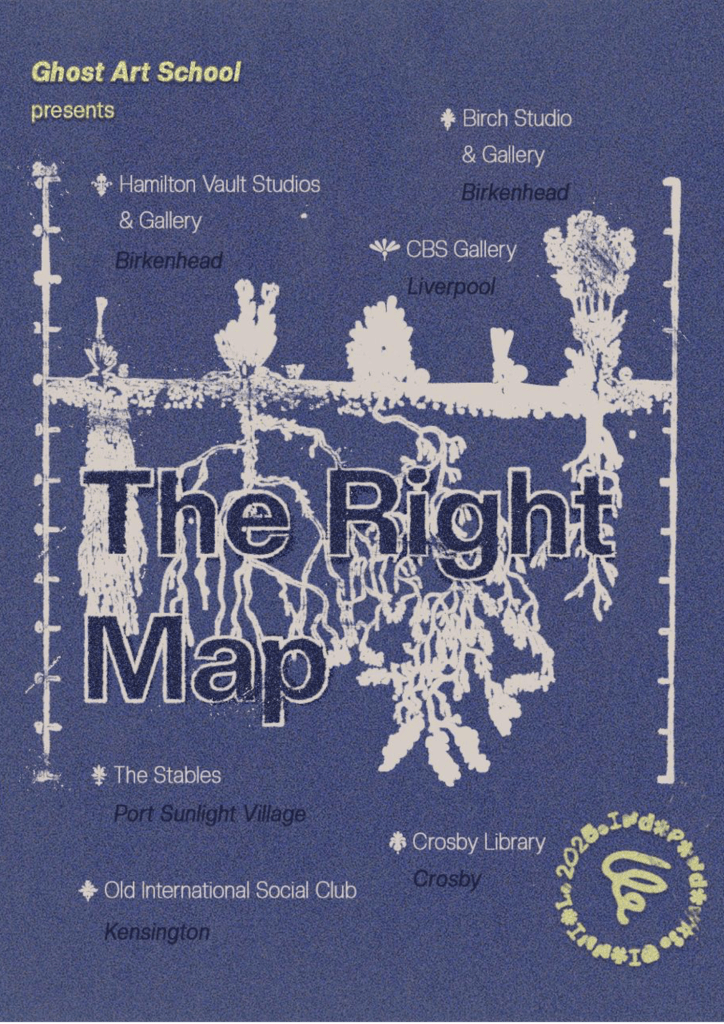
We finally opened our first exhibition Unstable #1 on the festival’s opening day 7th of June . The works were powerful, the team was wonderful, and I learned so much from them. I remain deeply grateful to everyone who came, especially my tutor Jonathan. The exhibition brought together artists from Liverpool, London, Glasgow, Germany, and even as far as Australia.
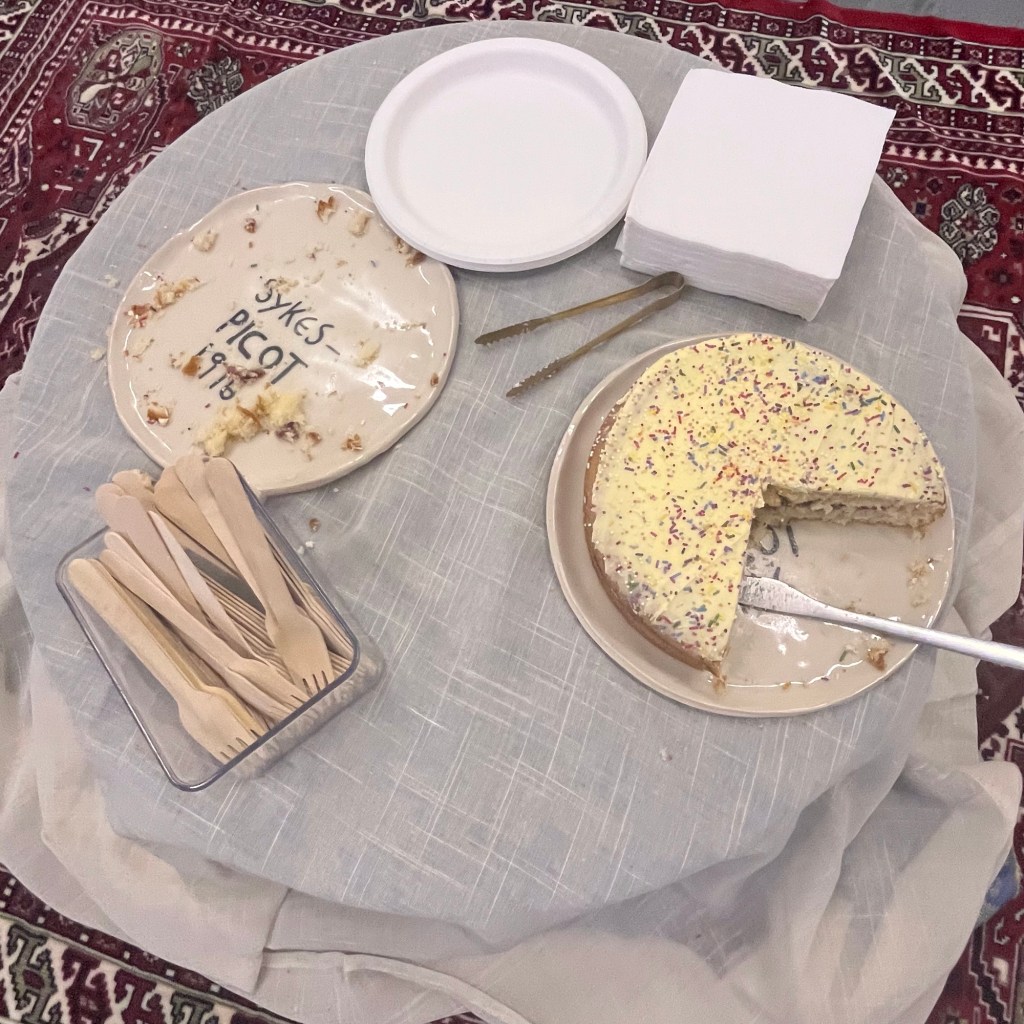
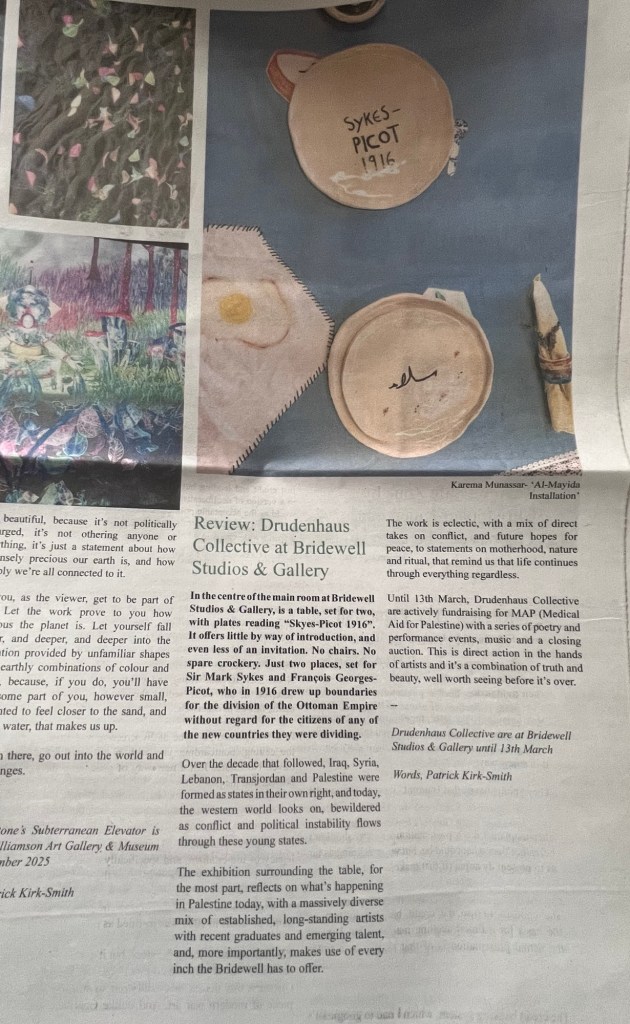
But despite the excitement, I had a difficult experience when I volunteered to invigilate for a day. The Biennial was short of volunteers, and I wanted to help. Yet what I found most challenging was being present in front of my own work: the Sykes–Picot plates, left exactly as they had been on opening night, still holding the crumbs of cake.
When visitors arrived, I would usually begin by introducing the other artists’ works, one by one. I avoided starting with my own. I didn’t present myself as “the artist” but as someone available to guide, to answer questions. I wanted to hear honest responses without the filter of politeness.
Two moments unsettled this:
– First, a group of visitors stopped at my work, were deeply moved, and immediately linked it to what is happening in Gaza. They asked questions, spoke at length, and even wanted a photo of me with the piece.
– Then, two other visitors became emotional as we discussed the history of Sykes–Picot. They spoke of the weariness of violence, of how exhausting it is to keep watching the news. One woman broke down in tears. I felt her exhaustion echo within me, though I tried to remain composed and gently encouraged her to look at the other works.
In those moments, I realised how much people need space to voice their rejection of violence and injustice. We all long for ways to speak out, to push against the weight of helplessness or guilt.. yet, after those encounters, I knew I couldn’t invigilate again. The conclusion was clear: invigilating is not for me.



 Karema