Posted in collaboration, Moon, Project, Reflection, Research, Writing

A Collaboration on Dear Moon (Service Point JNG)

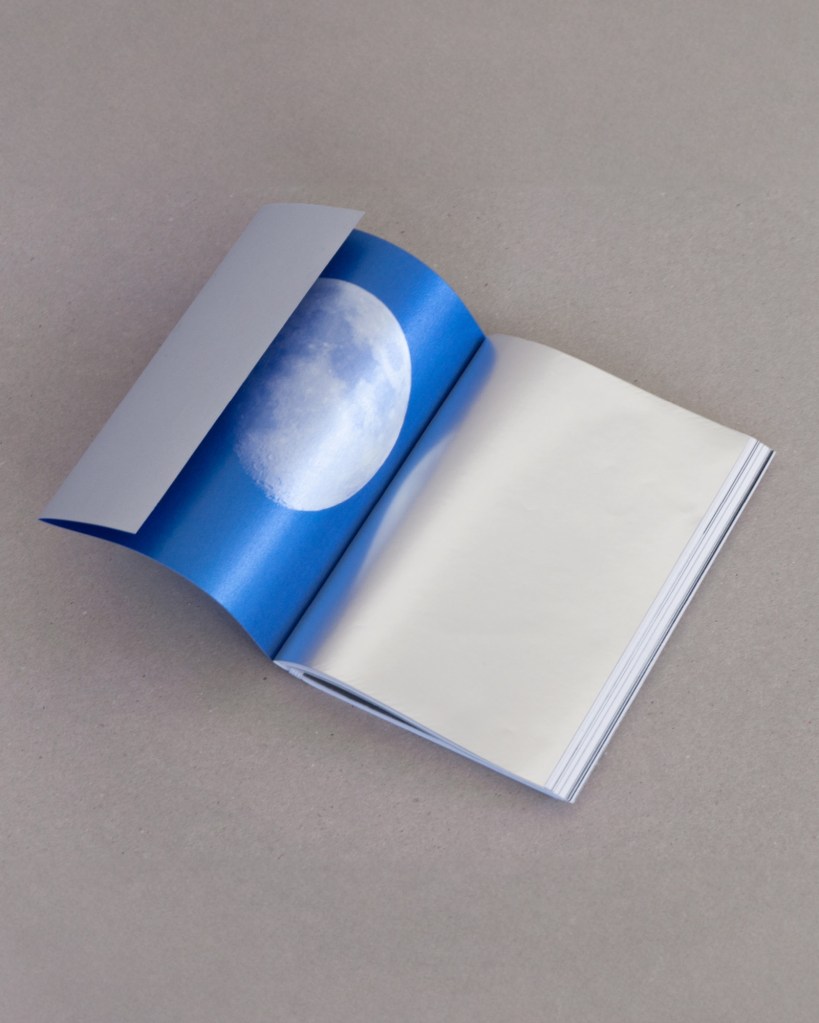
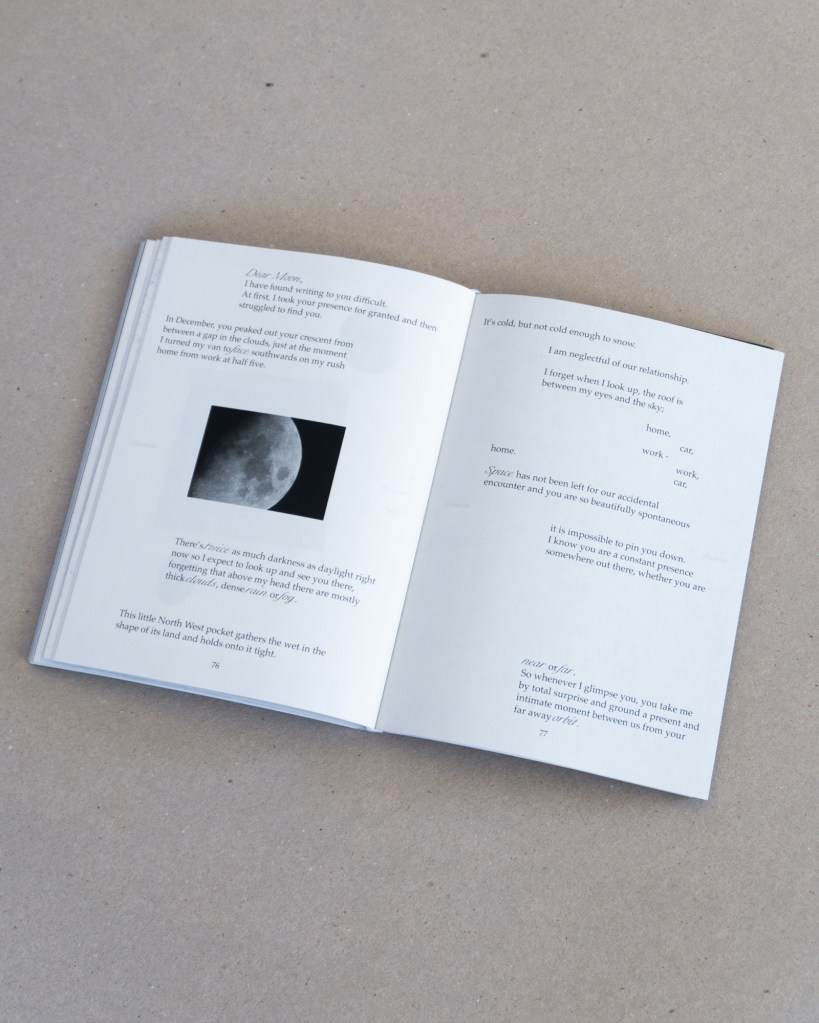
Working on Dear Moon has been one of the most personal and expansive projects I’ve ever taken on. While the words came slowly, shaped by honesty and quiet reflection, the visual form of the book took a different kind of journey, one that became stronger and more meaningful through collaboration.

I had the pleasure of working with Jiayi and GG, two recent MA Graphic Design graduates from the university. They took on the challenge of designing Dear Moon and brought their own vision to it. Where I had initially imagined something simple, quiet, and almost invisible in its design letting the words do all the work they brought something else entirely: depth, elegance, and boldness in aesthetic.

Their design sensibility was so different from mine. I approached the book with simplicity, wanting to preserve the gentle rhythm of the letters and photographs without interruption. I didn’t want the visuals to overpower the messages within. But what Jiayi and GG brought was not overpowering it was enhancing. They introduced a poetic visual language: deep blues, moonscapes that speak for themselves, layout choices that echo the movement of tides and emotion. They weren’t just decorating; they were interpreting.

Looking at the final book now, I see a true collaboration. It’s no longer just a collection of letters; it’s a designed experience. A conversation between stillness and form.

Collaborating in this way has taught me the value of letting go. Of sharing creative control. Of trusting others to hold your work with care and transform it with love and intention. I feel Dear Moon is stronger because of this process, and I’m grateful to Jiayi and GG for reminding me how powerful cross-disciplinary work can be.

https://www.instagram.com/p/DHa-GsDKStV/?igsh=MWVza3g4eGFrZ2g0bw==

Posted in 2024/2025, Motivations, Project, Reflection, Research

Final Session: Art for the Earth’s Sake

Our last session of Art for Earth’s Sake Peer Learning, was a powerful experience exploring the intersection of creativity, sustainability, and community action.

Key Highlights:

1- Leading by Example: We discussed how artists can practise sustainably, acting as role models for others by reducing their carbon footprint and promoting eco-friendly approaches. This includes minimising the use of fossil fuels and exploring innovative tools such as digital carbon offset initiatives like Ecology.

2- Art as a Vehicle for Transition: Art has the power to shape people’s decisions and inspire social and environmental change. We explored how slow, mindful processes can create space for reflection and dialogue about the future we want to build.

3- The Role of Heart and Mind: It’s not just about being an artist but about raising awareness and fostering learning. We emphasised the importance of balancing rational thinking with heartfelt creativity to address environmental.

We took inspiration from artists such as Rebecca Chesney and Anthony Hall, and projects like the Soil Exhibition in Somerset. Additionally, ideas from thinkers like Stephen Covey’s “Three Spheres of Influence” helped us focus on what we can control, what we can influence, and what we need to let go of as individuals and as a collective.

We are encouraged to continue organising events, engaging the community, and taking part in initiatives like the Engage. By working together, we can use art as a catalyst for positive change in the world.

Stephen Covey’s concept of the Three Spheres of Influence is a framework that helps individuals focus their energy on what they can truly affect. This idea is derived from his book, The 7 Habits of Highly Effective People. The three spheres, also known as the Circles of Concern, Influence, and Control, are a way to prioritise actions and efforts effectively. The Three Spheres Explained:

1. Circle of Concern:

This represents everything you care about, including external issues such as climate change, world events, and things you have no direct control over. While it’s important to be aware of these issues, focusing too much energy here can lead to feelings of helplessness.

2. Circle of Influence:

This sphere includes aspects you can influence, such as your local community, workplace, and people around you. By focusing efforts here, you can make a meaningful impact even if you can’t solve global issues. This is where actions like raising awareness, inspiring others, and leading by example can make a difference.

3. Circle of Control:

This is the smallest sphere, encompassing only what you can directly control, your own actions, decisions, mindset, and responses. By focusing on this sphere, you ensure that your efforts are grounded in what you can actually change.

By prioritising your focus on the Circle of Control and the Circle of Influence rather than the Circle of Concern, you can channel your energy more productively, avoid burnout, and create more positive impact. This approach is particularly valuable in projects related to sustainability and social change, where large-scale problems can feel overwhelming.

In the context of “Art for Earth’s Sake” understanding these spheres can help artists and activists focus on what they can do, such as creating art that inspires action, practising sustainability in their own work, and building local community initiatives that promote change.

Posted in 2024/2025, Project, Research, Writing

Moon Letters and Shared Stories at Bootle Library

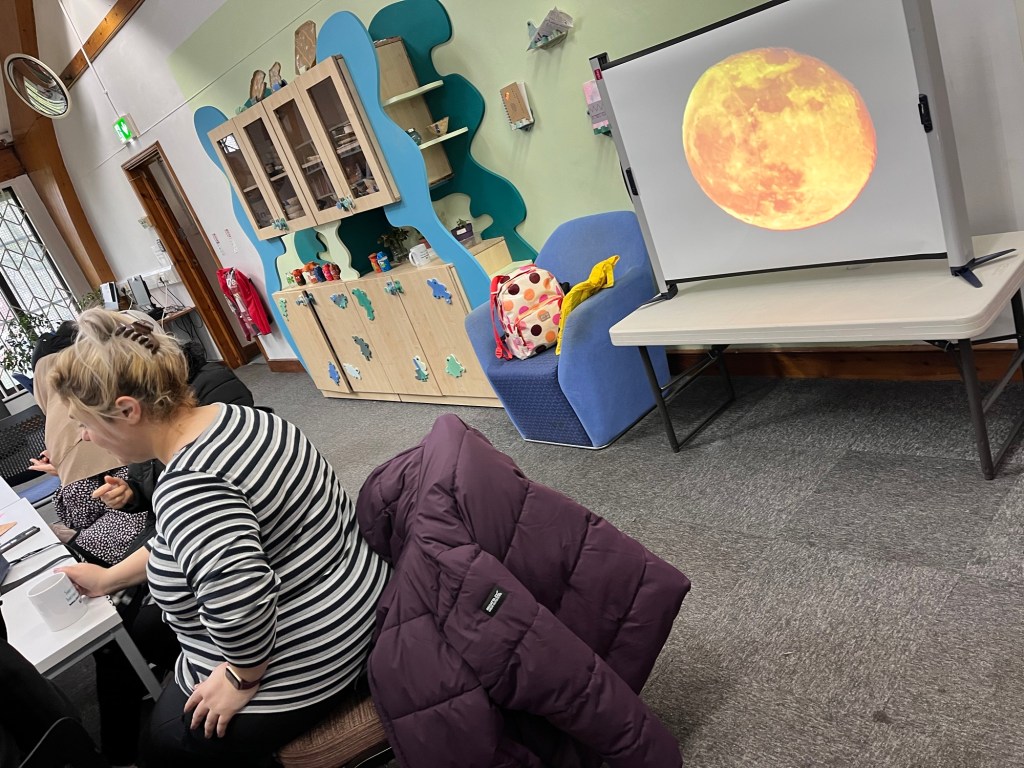
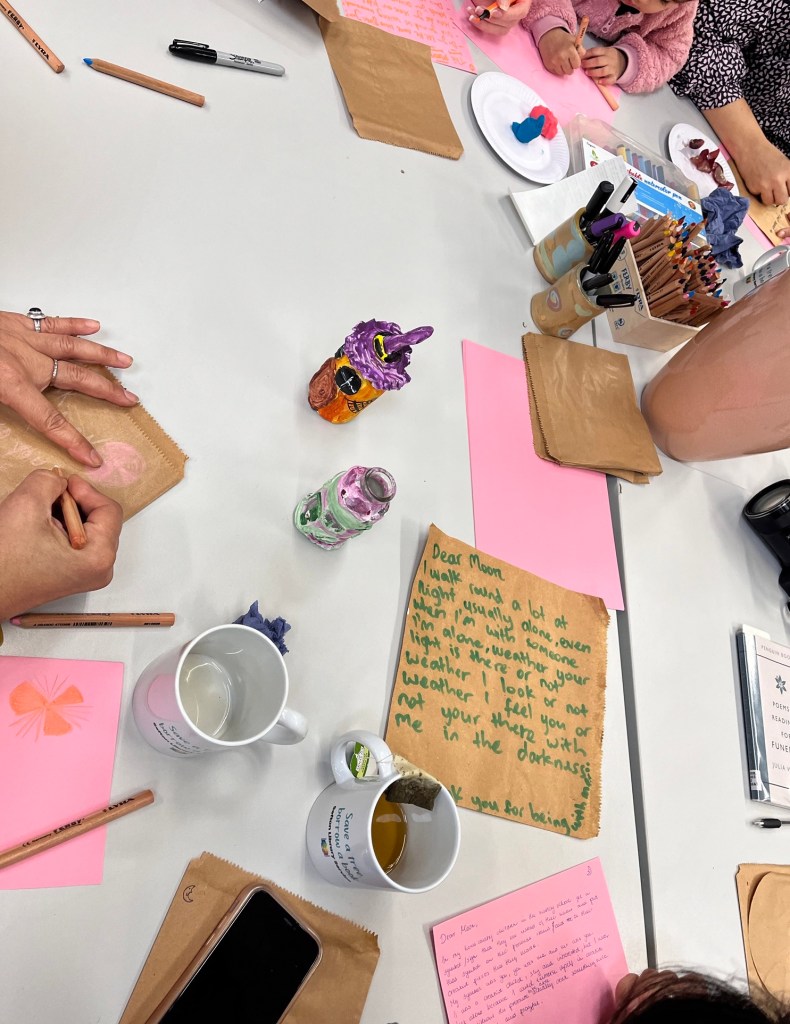
Today, I led a session at Bootle Library with my usual cultural group of ladies, joined by my colleagues from Rule of Threes, a representative from Liverpool Biennial, and artists from Darch Collective. It was a special gathering, as we’ll be contributing to their work for Liverpool Biennial: Bedrock 2025.

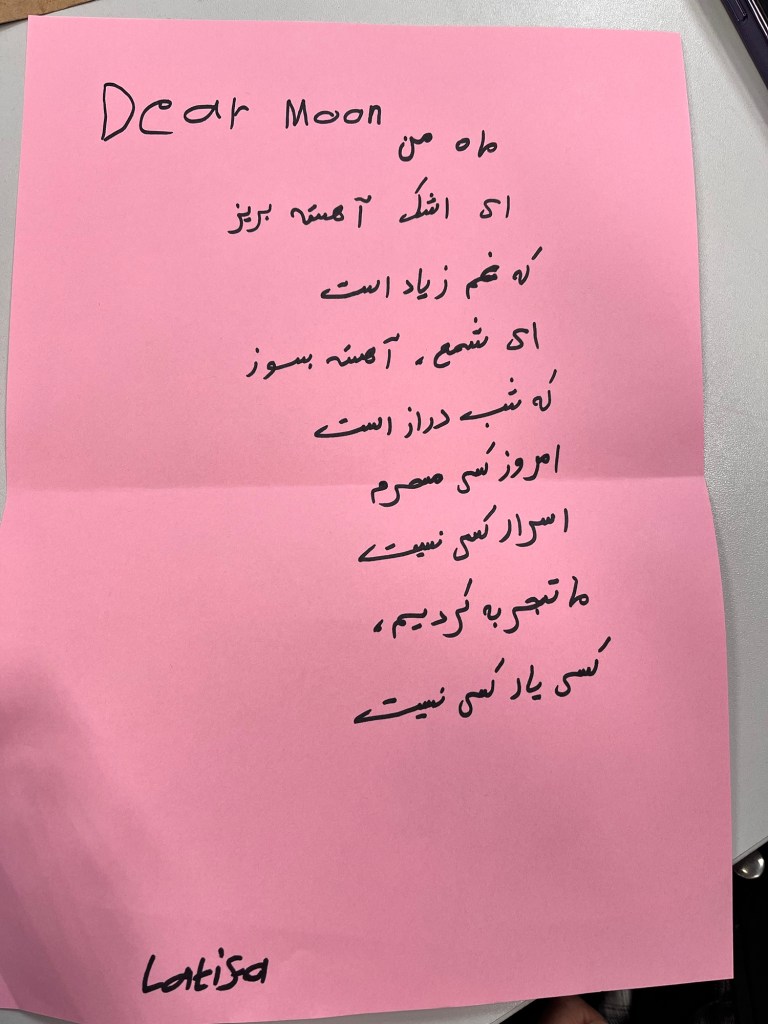
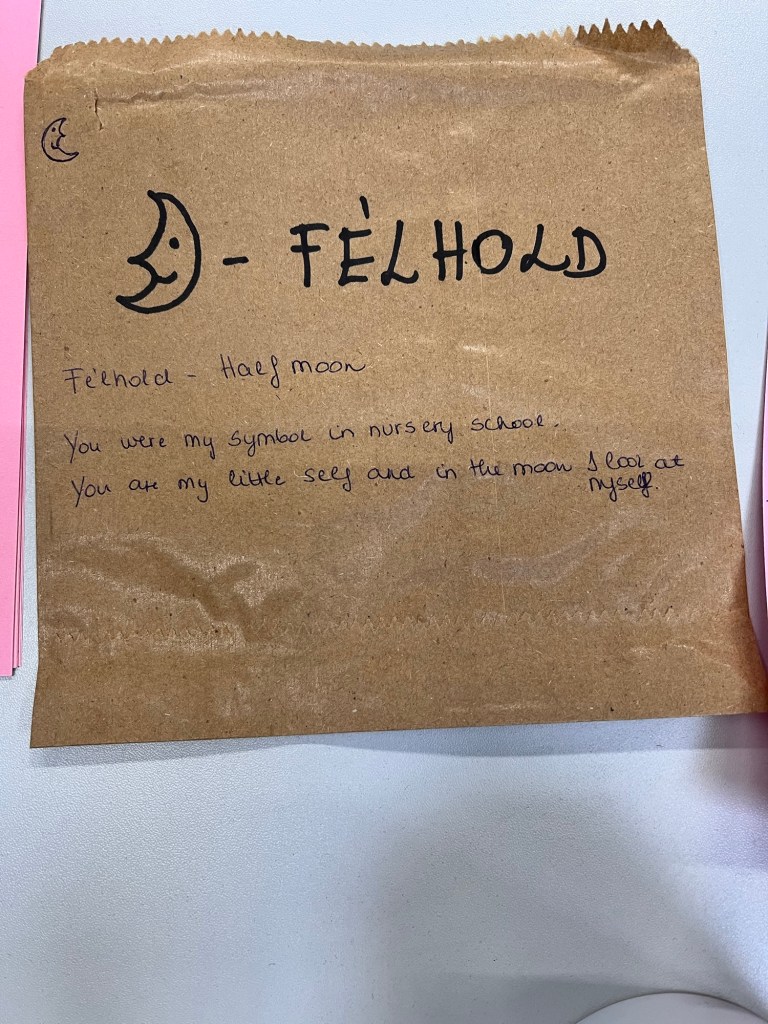
The session had a wonderful turnout, and I received 15 more letters for The Moon Letters project. I’m so grateful to everyone who has taken the time to contribute, and I can’t wait for the moment when I finally hold the book in my hands.

There’s something deeply personal about letters. I find myself attached to each one, treating them as precious objects. They arrive in different ways: through messages, emails, and in person. Each carrying unique thoughts, emotions, and perspectives. People respond in their own way, and I appreciate every word, every feeling that has been shared.

This project is becoming more than just a collection of letters, and  I’m excited to see where it leads and to share these stories with a wider audience.

https://atthelibrary.co.uk/projects/the-colour-of-pomegranates/