Posted in 2025-2026, collaboration, Experiments, Social Sculpture, Visit

Reflection on Alex Schady Workshop Collaborative Making and Social Sculpture

I took part in a workshop led by Alex Schady as part of the Fine Art Digital Residency week which thoughtfully organised by Jonathan for both MA classes. 

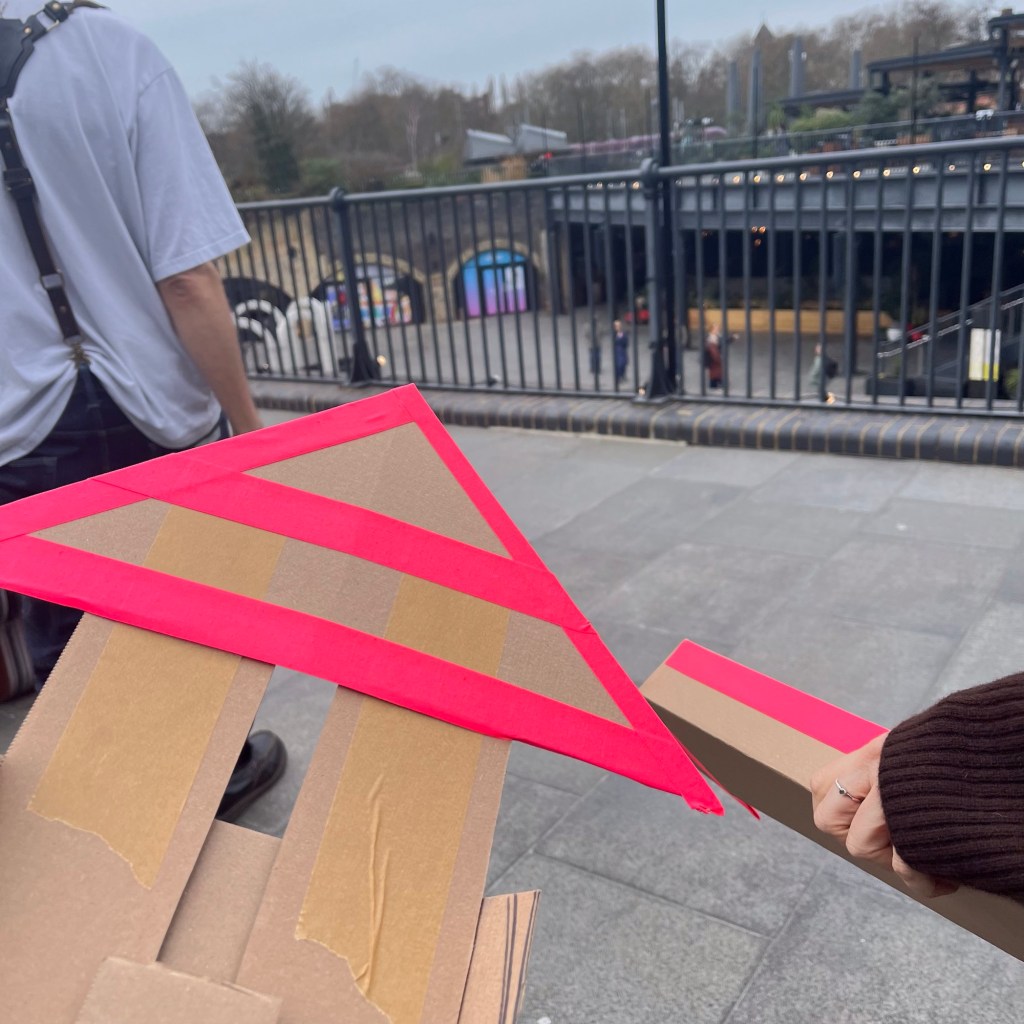
The session focused on collaborative making and began with a simple exercise: a flat sheet of cardboard was shared and each student created an arrow. I made a very simple arrow, similar to Alex’s example, while others explored more playful and experimental shapes. I noticed something familiar about my role in workshops I often observe more than I produce, watching how others approach the task becomes part of my learning process.

We then moved outside to the street and began performing with our objects, engaging with the urban environment and the people around us. The arrows shifted from being simple objects to becoming gestures in public space.. Accusatory fingers!
In the next stage we worked in pairs to create inflatable body extensions using plastic sheets. I collaborated with Rachael, and we agreed to make angel wings. The process was technically tricky, due to delicate material, but we managed to build them, and had a lot of fun experimenting with movement.

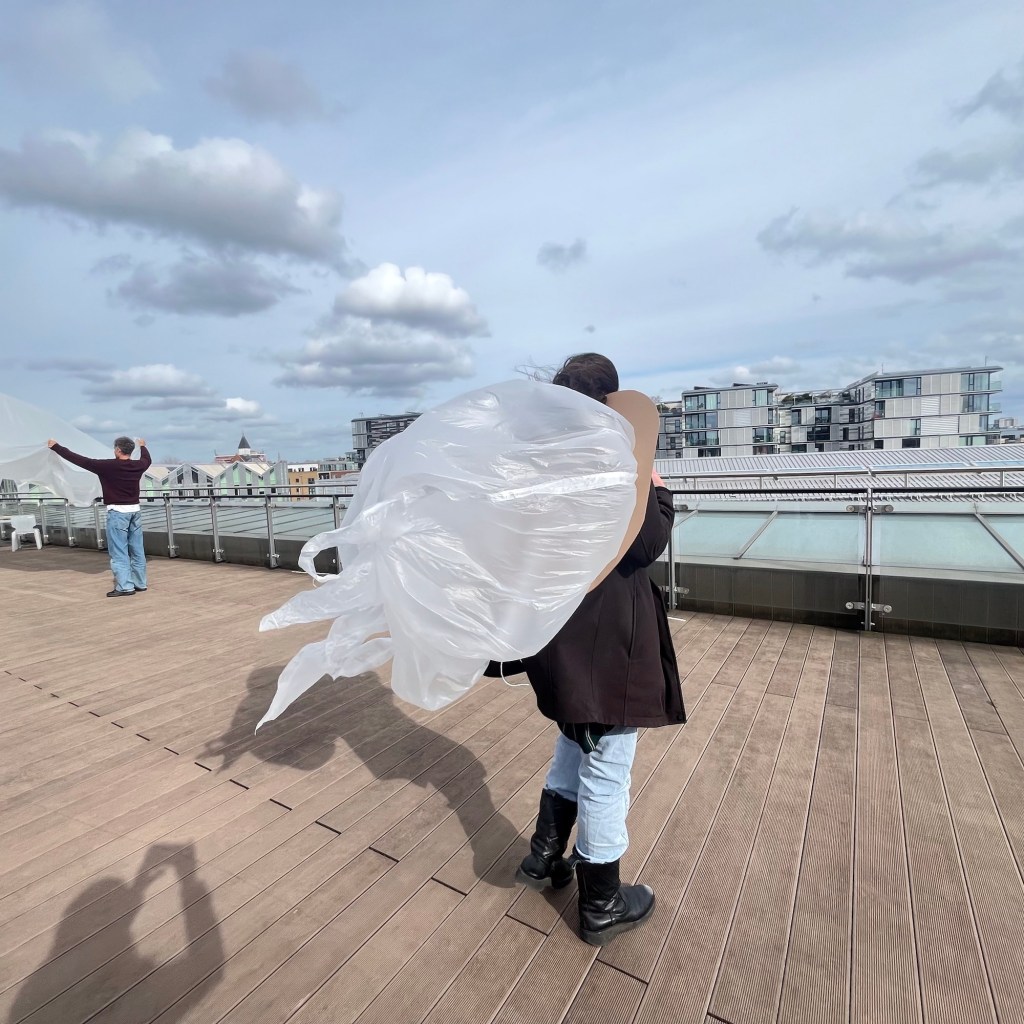
Afterwards we gathered outside for a collective performance where everyone presented their creations. Eventually groups merged and people began wearing multiple extensions, forming a kind of shared body. The performance ended with one large collective body.

What stayed with me most was the way Alex held the space. He allowed collaboration to happen naturally without pressure. No one felt forced to participate in a particular way. This made me think about concept of social sculpture and the idea that society itself can be shaped through collective processes.

The workshop felt like a small example of this idea. Through simple materials and shared actions we created a temporary social structure based on making, negotiating and performing together. 

Afterwards I visited the first-year MA students’ exhibition. It was interesting to see the space and reflect on how quickly time passes during the MA journey. It was also lovely meeting fellow artists in person for the first time there was an immediate sense of familiarity and trust. 

Although I could only stay for a few hours, the experience felt full. Sometimes a few meaningful hours can contain days of learning. Alex’s workshop demonstrated how much can happen in a short time  making, performing and collaborating and it left me wondering how much deeper this process could go if we had the opportunity to continue it over several sessions.

Posted in 2025-2026, collaboration, curation, Experiments, Motivations, Research, Social Sculpture, Visit

Free Workshops

Last Sunday, I spent a rewarding day with Ghost Art School and creatives from October Salon (a new collective in Preston led byHannah Browne). My aim was to organise a free workshops day, focused on sharing knowledge and skills without the need for materials or money. I offered an introductory session in British Sign Language (BSL), while Liverpool-based artists Tom Kelly and Tom Doubtfire generously shared aspects of their practices. Hannah provided the space in Preston, making the event possible through collaboration rather than institutional support.

The day had several clear intentions. Firstly, I wanted to gather with peers and begin the year in a meaningful, collaborative way, learning together and exchanging knowledge. Secondly, the event allowed us to engage with October Salon, an emerging creative group, and to demonstrate what can happen through collective artistic practice.

The programme began with Tom Doubtfire leading a discussion on the role of the artist and the relationship between art and activism. His reflections centred on disturbance, sustainability, sacrifice, and focus. The group discussed what it means for art to be disturbing, what sustainable practice might look like, how much we are willing to sacrifice and the importance of setting limits, also how to remain focused on our aims.

This was followed by my one-hour introduction to BSL. My motivation for teaching BSL stems from both personal conviction and historical awareness. The language was banned in the United Kingdom between 1880 and 1970, and despite its cultural and social importance, it still receives limited funding in education. BSL was officially recognised as a language in 2003 and granted legal status in 2022, yet it is still not included in the GCSE curriculum. In this context, teaching BSL freely can be understood as a quiet form of activism! Challenging ableism, questioning unequal access to culture, and sharing knowledge rather than gatekeeping it.

BSL is also highly visual and expressive, connecting strongly with creative disciplines. It can influence performance, filmmaking, choreography, and storytelling, functioning not only as a language but also as an artistic medium. More broadly, offering knowledge without payment can be seen as a response to the increasing commercialisation of the arts. It reminds us that generosity and collective growth still hold value.

The day concluded with a workshop led by Tom Kelly, which provided a joyful ending. His approach to clowning demonstrated that it’s not simply about being silly, but about exploring human emotions through humour and vulnerability. Through simple games and spontaneous interaction, the group communicated naturally, without preparation. There was a strong sense of care, kindness, and mutual respect among participants.

The structure of the day loosely echoed Joseph Beuys’ idea of the Free International University, an artist-led model of education independent from institutions and grounded in dialogue and shared learning. By offering knowledge freely and prioritising exchange over production, the gathering became less about outcomes and more about shaping a temporary community through participation.

For me, the impact of this day was more meaningful than any individual artwork I’ve made recently. It highlighted the importance of shared time, laughter, and informal learning within creative communities. It felt like an encouraging and significant beginning for the group, grounded in connection rather than productivity alone

Posted in 2025-2026, Experiments, Moon, Research

A New Collection of Moon Images

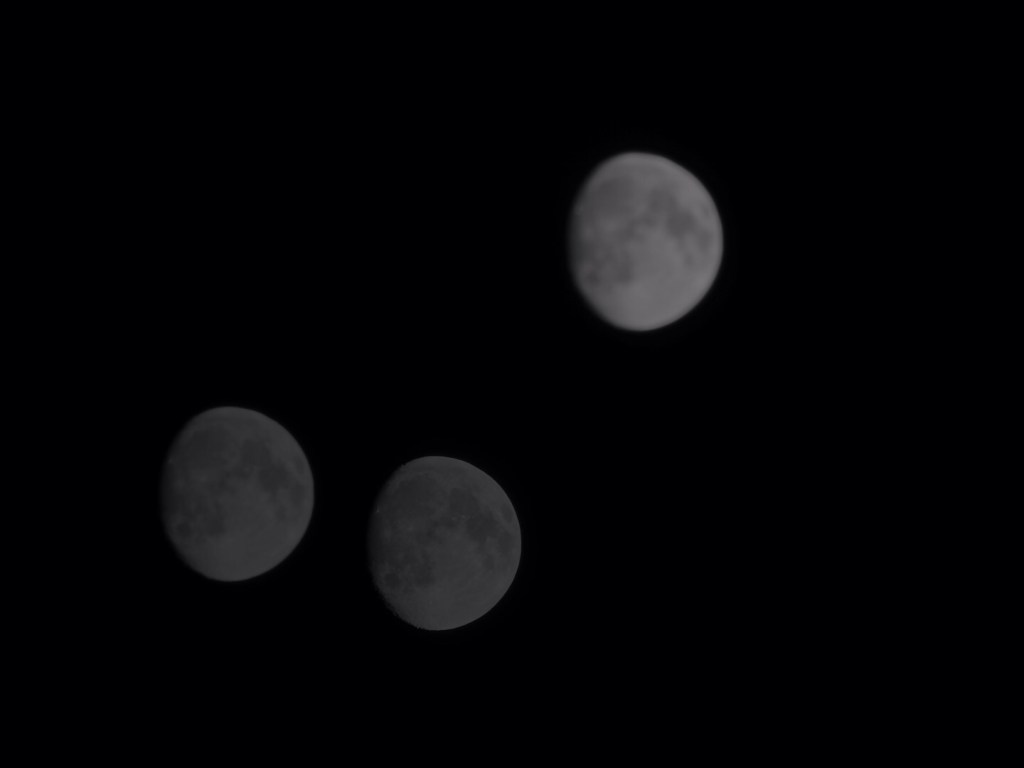
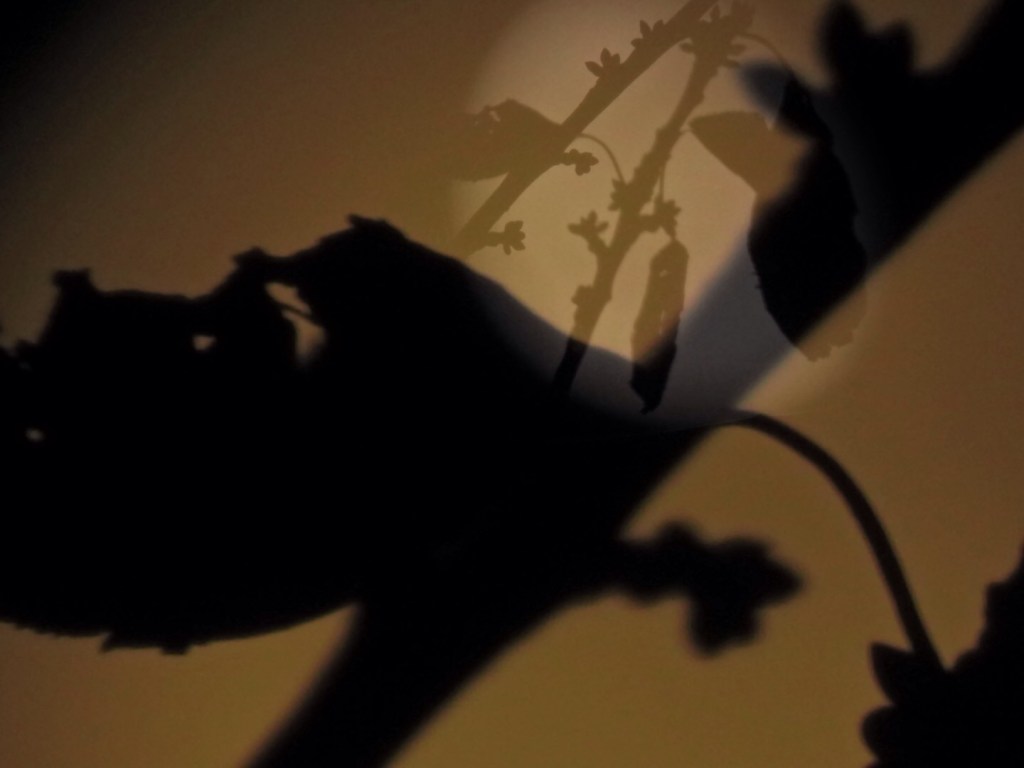
Over the past few months, I’ve been quietly chasing the moon. Through multiple exposure, I’ve been exploring time, movement, and intention. This new collection marks the beginning of a deeper understanding of how to interpret time through past and present within still images. The idea first emerged after my friend, artist Hannah Browne, gifted me a photo featuring a two-week moon exposure by artist Joe Millican.

By Joe Millican

I became curious about how the moon’s presence might behave when paired with something as delicate and earthly as the silhouette of a plant, or when stretched across the frame in a sequence of softened echoes. What could happen if the moon wasn’t captured as a solitary celestial object, but instead as an active participant within a wider composition? These photographs required patience, a negotiation between motion and stillness, and a willingness to embrace the unexpected, also, they opened a wider field of play.

Multiple exposure gives the moon permission to move. It gives shadows permission to speak. It gives the image permission to become something other than what was predicted.This new collection feels like the beginning of a conversation I want to continue. The techniques are still new to me, but they are expanding my understanding of how photography, much like the letters it will eventually accompany, can hold ambiguity, transformation, and layered narratives.

You can now visit my new website: https://dear-moon.art which holds the previous messages and will hopefully grow with new letters, images, and an e-book.

Get involved from anywhere by sending an email to the moon via Dearmoon2025@hotmail.com

Posted in 2025-2026, curation, Exhibitions, Experiments, Project, Reflection, Research, Social Sculpture

Last Reflection on The Right Map

As I write this final reflection on The Right Map, I can see how many threads hold this project together. There is the community garden that Tom Doubtfire leads with steady optimism. There is the fundraiser that Tom and I organised as members of Ghost Art School, with generous support in kind from The Bakery in Liverpool. And there is the final day itself, which happened only because of the effort and kindness shown by Rory Macbeth, there was no funding and no safety net, there were only people who care and people who give far more than anyone could fairly expect.

The Community Garden

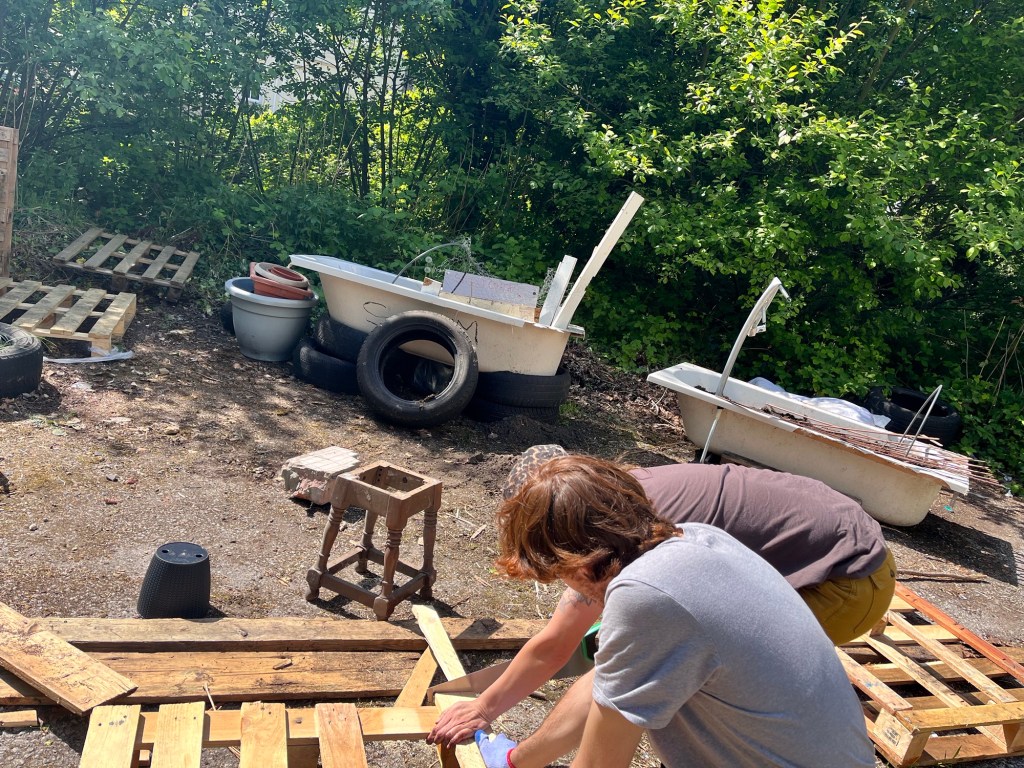
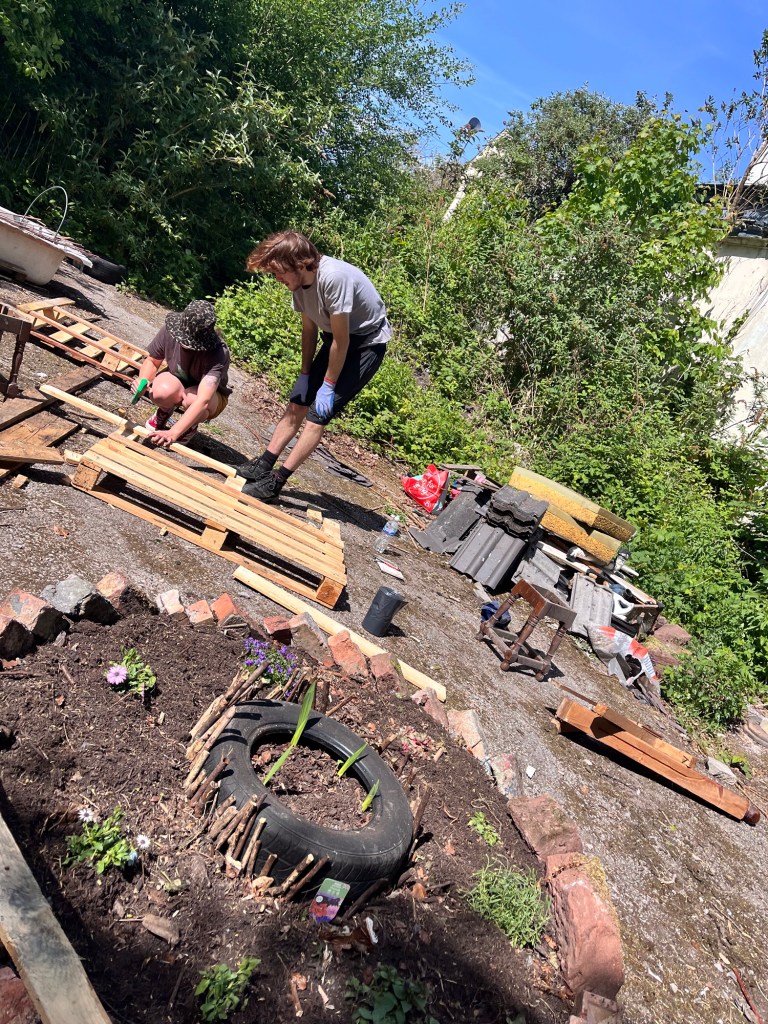
The garden at the old social club-Kensington was meant to be a shared space, a place for people to grow food, spend time, and reclaim something green together. We cleaned it again and again. We cleared rubbish, made plans and planted possibilities… Yet there were days when I felt defeated. Rubbish would reappear as soon as we removed it.. Things were stolen! Many times it felt as if the effort was swallowed by indifference!

But Tom is different.. He keeps turning up with a sense of commitment that is both hopeful and stubborn. He holds a belief in slow change that I respect deeply and I’ll continue to support him, not only as a friend but as an artist I respect.

Fundraising as a Collective Gesture

The fundraiser at The Bakery was a small moment when collective energy came together. With the help of visitors, friends, and many acts of generosity, we raised £300 for Thamara Organisation.

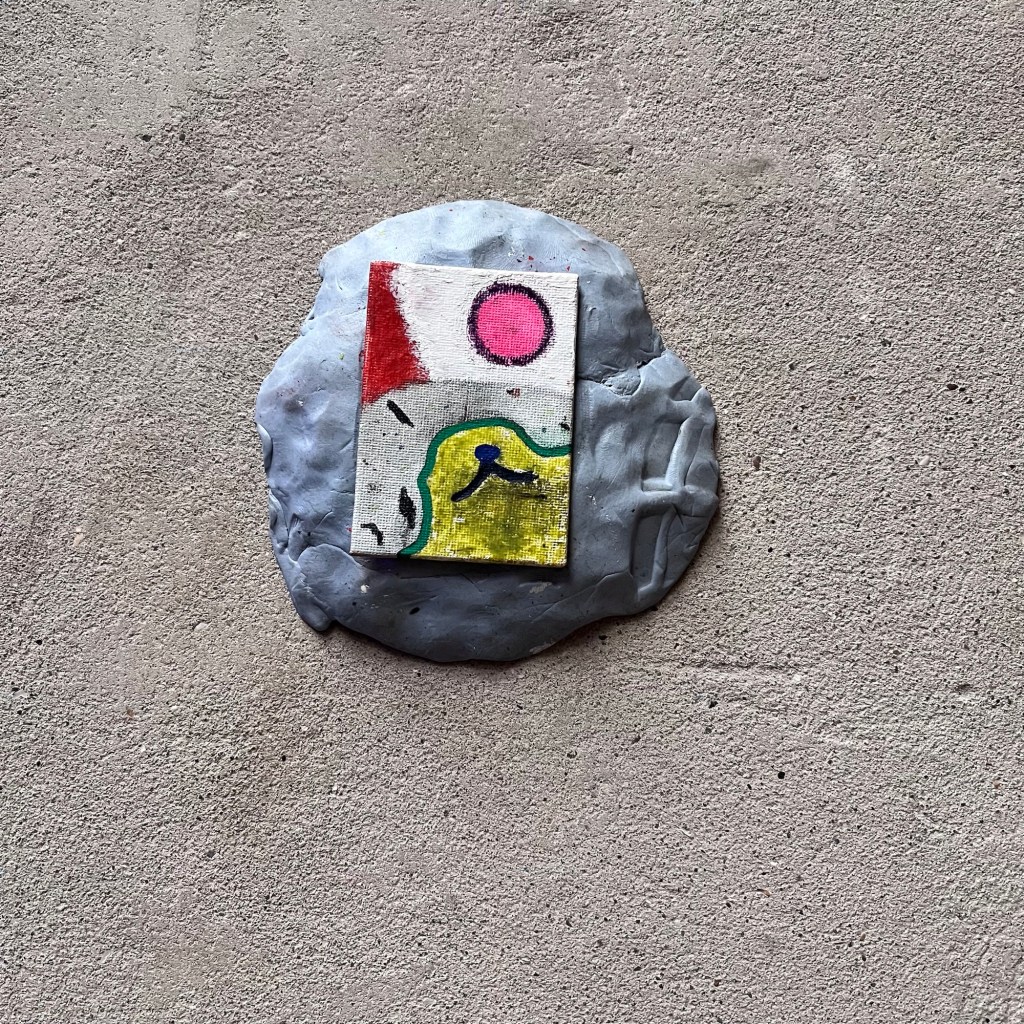
The rooms held an installation by Tom D, inspired by the community garden. There were drawings made by children in previous workshops Tom led. There were my political ceramics. There was a tiny painting by Tom Kelly, fixed to a huge blob of blue tack. There were paintings prints by Alison Reid.

And from food sales and prints and T shirts that I printed, some showing the map of Palestine and others carrying the Ghost Art School logo designed by Rory Macbeth, along with extra donations, the amount slowly gathered. It felt modest, but it carried meaning. It was a gesture of care that reflected the spirit of The Right Map.

The Final Day: Unstable 4 

The final day of The Right Map was full of beautiful chaos.. I was working in other side at Crosby Library until the afternoon for a Liverpool Biennial event with the collective DARCH, so I arrived with no time to prepare anything special. Once again it was Rory who brought the day to a close and who held everything together with calmness and capability. I will not forget the amazing large carousel installation by Marie-Sofie Braune, who is now doing an MFA at CSM. It arrived from Germany and was too large to ship at a reasonable cost, so Rory travelled to deliver it and installed it.

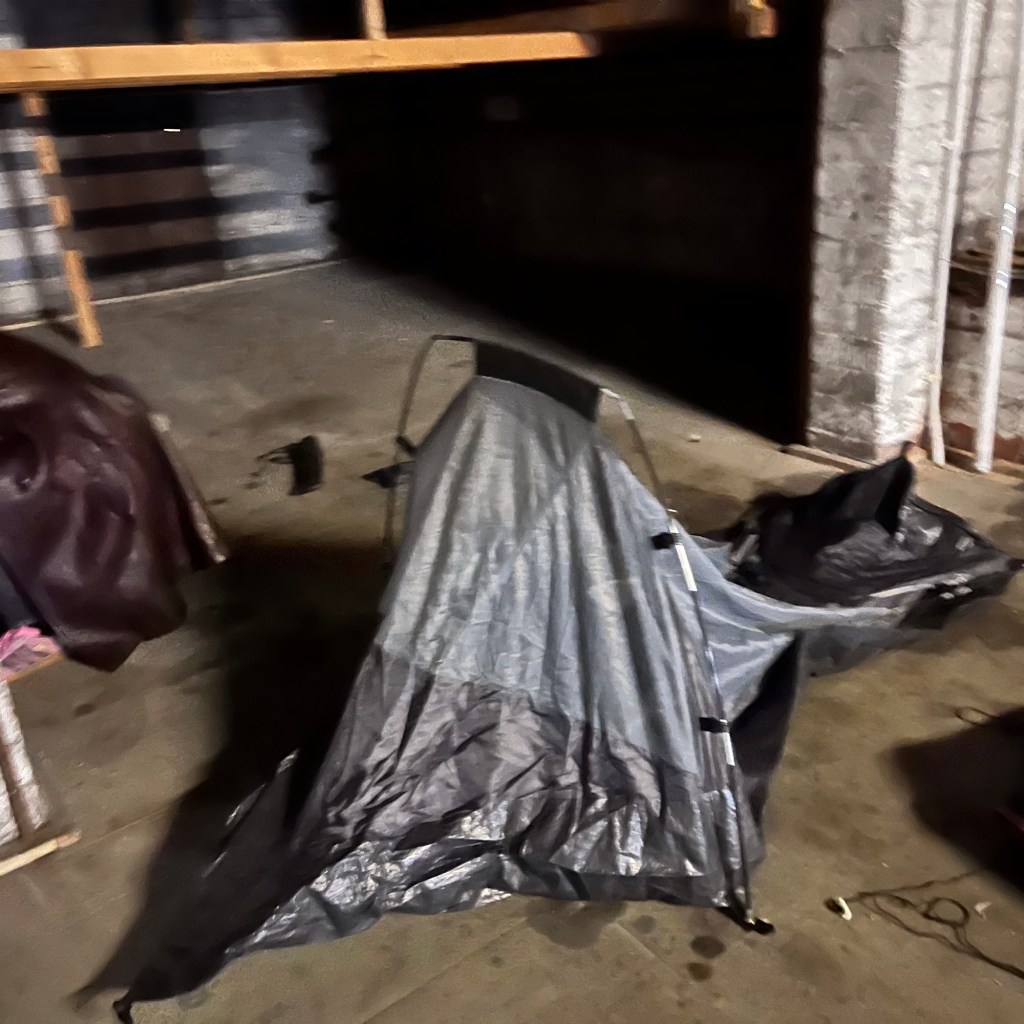
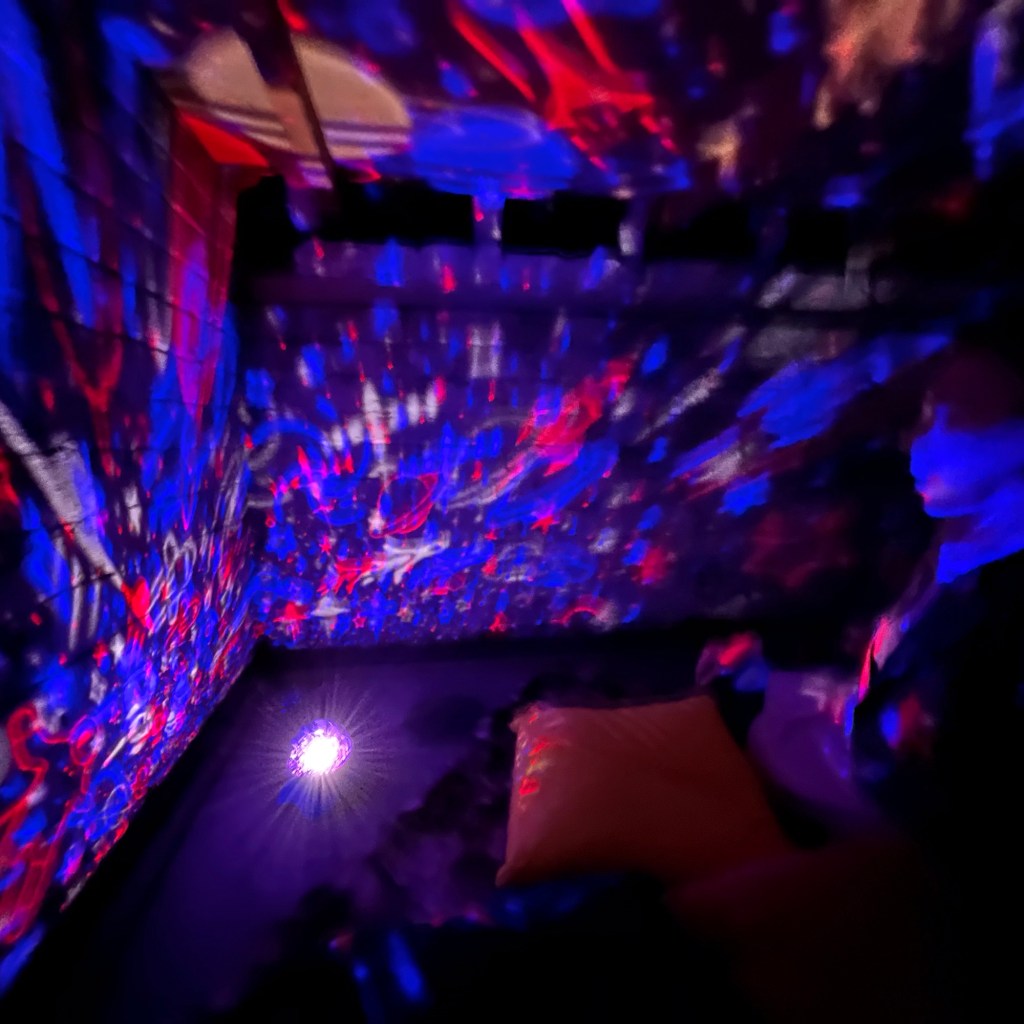
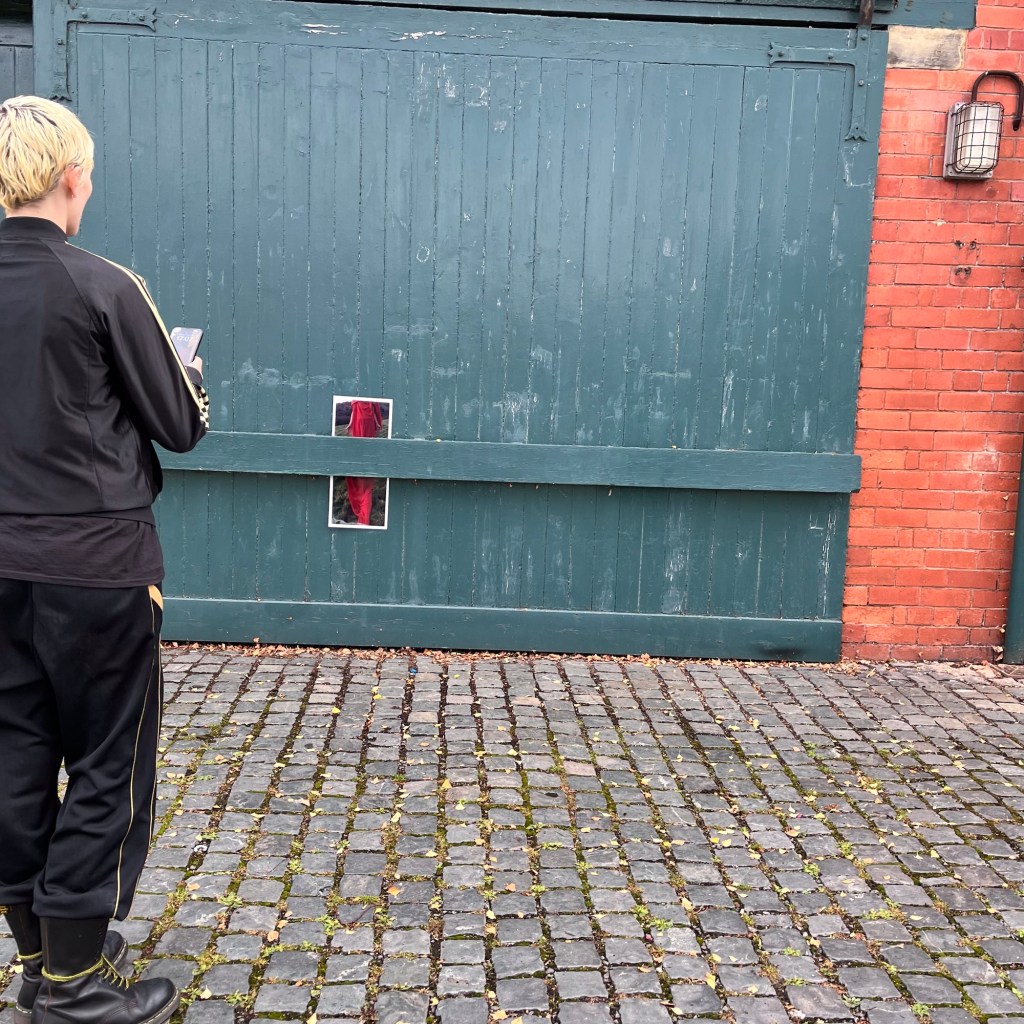
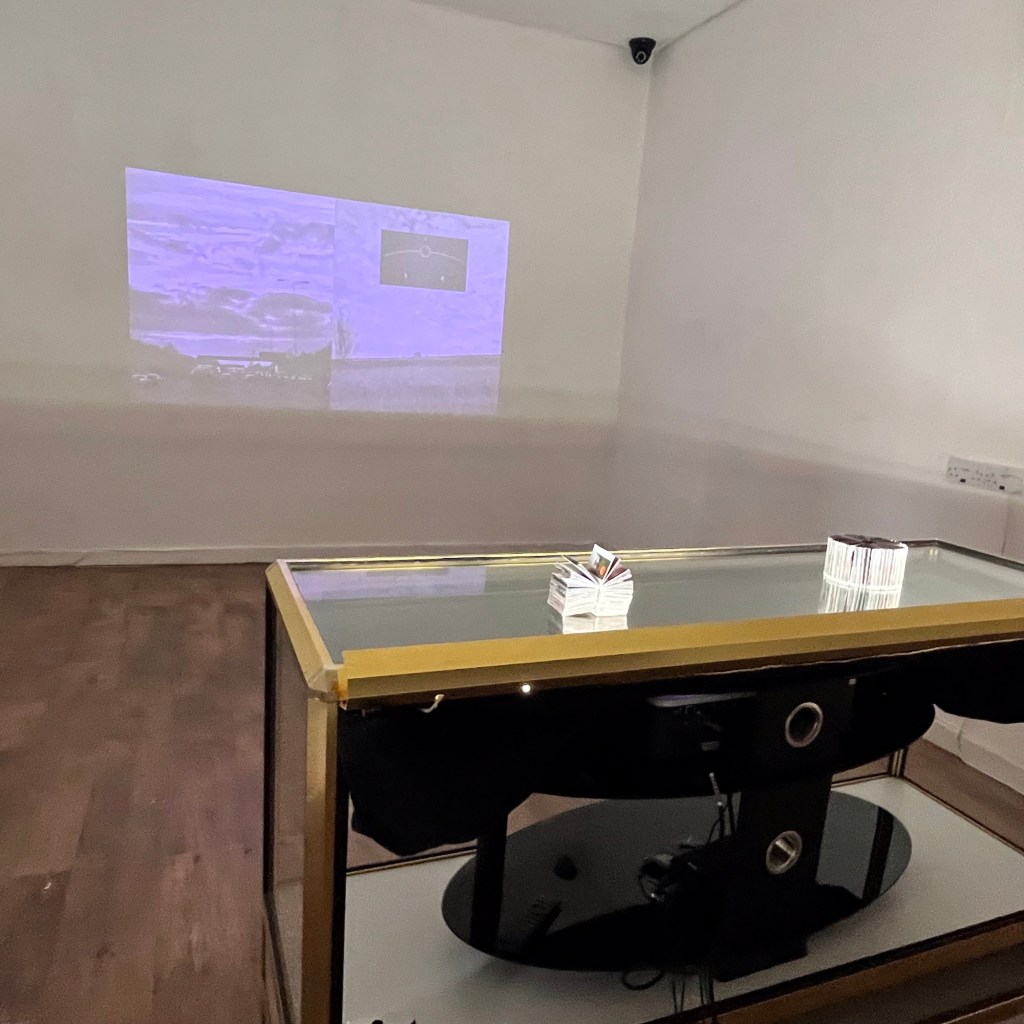
As Rory described it, the event became:“Unstable 4. The final event of Unstable at Port Sunlight fully embraced instability. A broken fever dream of a fairground carousel, a car trying to get into the gallery while playing dislocated tape loops, surplus images spat out of a machine, surplus films looping, noise performed, letters to the moon, records playing off centre, photographic sculptures hiding in half light, one to one performances in a tent.”

Somehow all of this disorder made sense. It was the right ending to a project that was never about polish but about presence. It showed what happens when artists, friends, and communities choose to take action even when resources are limited, even when schedules do not match, and even when the project is held together by human effort rather than funding.

Finally, The Right Map did not map places. It mapped relationships, labour, generosity, frustration, and persistence. It mapped the hidden work that supports community spaces and the unstability that becomes a creative method rather than a barrier.

The Right Map artists: Alison Reid, Alma Stritt, Charli Kleeman, Chelsea Johnson, Chris Roberts, Colm Moore, Conner Browne, Cos Ahmet, Danielle Freakley, David W Hicks, Eleanor Capstick, Finn Roberts, Gary Finnegan, Gwendolin Kircali, Halyna Maystrenko-Grant, Hannah Browne, Harriet Morley, Igor Prato Luna, Jasmir Creed, Jessica Crowe, Karema Munassar, Lily Patricija, Mai Sanchez, Marie-Sofie Braune, Molly Lindsay, Molly Mousdell, Phoebe Thomas, Priya Foster, Ritu Arya, Rory Macbeth, Sonic Relics, Theodora Koumbouzis, Tom Doubtfire, Tom Kelly, Valentina Passerini, and Xueying Zhang 

Posted in Drawings, Exhibitions, Experiments, Project, Reflection, Writing

Crash Test

Earlier this month, a group of us, friends/artists gathered at Birch Studios & Gallery in Wirral, for a one-night experiment we called Crash Test. Half exhibition, half crit, half scratch night. Crash Test was a place to try things out, to test-drive new work and unfinished thoughts in a space where feedback was as valued as the visuals.

The idea was simple: set up something raw, something you’re unsure about, and invite others to respond. The name Crash Test seemed fitting, not just for its visual punch, but because it captured the risk, the speed, and the impact of trying something unpolished in public.

I brought along some child-like drawings, experimenting with simplicity, ambiguity, and humour. The feedback I received was encouraging, people connected with the looseness, the absurdity, and the layered messages behind the bright colours and crayon lines.

That said, for the upcoming Show ‘Unstable’ as part of the Independents Biennial, I want to develop something more dynamic and expansive, something less stable and more open-ended. I’m thinking of revisiting the Moon Litters idea. There’s something about the unpredictability of that work, the way it can shift and change over the exhibition’s duration that feels right for where I’m at now. It allows space for other voices, movements, and moments to enter.

My work 😬
Posted in collaboration, Exhibitions, Experiments, Research

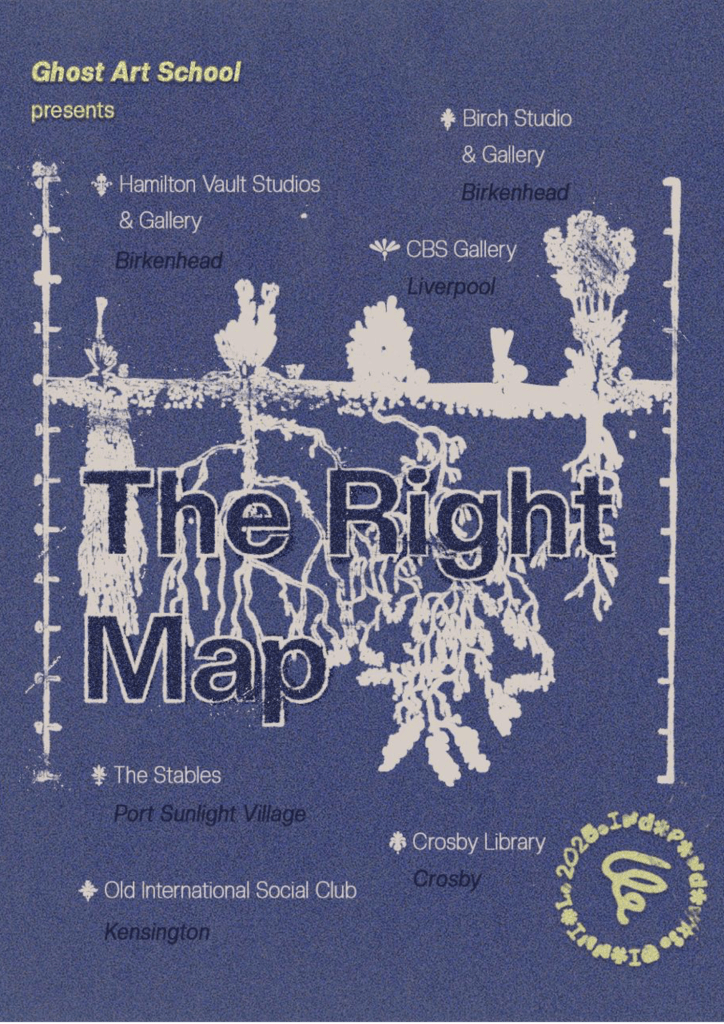
The Right Map

Poster credit: Phoebe Thomas

Coordinating The Right Map for the Ghost Art School artists was intended as an act of support for others. But in the process, I found myself unexpectedly charting new ground in my own practice. What began as a curatorial and facilitative role gradually unfolded into a deep personal enquiry, one that significantly shaped my ongoing research in social sculpture.

I began to notice shifts in my own thinking. Supporting artists to articulate their intentions, reflect on their choices, and ground their practice compelled me to ask the same of myself. It was not a passive role; it was active, dynamic, and generative.

Interestingly, throughout The Right Map, I found myself increasingly drawn to the curatorial aspects of my work more than the making itself. It’s not just about presenting artworks, it’s about orchestrating experiences, holding conversations, shaping encounters. I became fascinated with how frameworks are built, how meaning is constructed around and through art. In many ways, the coordination itself became a form of social sculpture.

This shift is not about stepping away from being an artist…it’s about understanding the expanded field in which I operate. Curation, facilitation, research, and community-building have become a core tool kit in my practice. Through coordinating The Right Map, I gained new confidence in embracing this hybridity. I no longer see it as fragmented, but rather as a cohesive and intentional mode of working that reflects my values and voice.

https://www.instagram.com/p/DJov3YBo9Yg/?igsh=Mnd6MWh3MXRuaDQy

Posted in Experiments, Moon, Project, Reflection, Research

Becoming an Audience to Our Own Work!

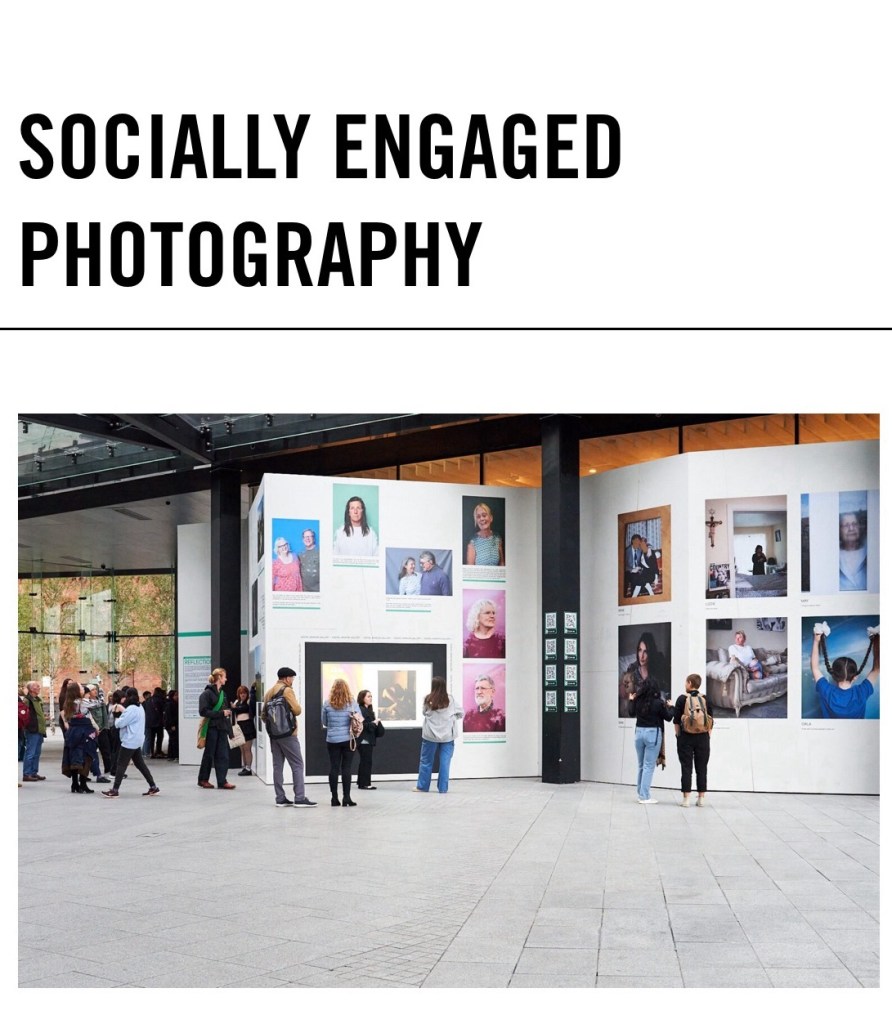
19 artists from across the country and beyond, working across different disciplines, were selected for Open Eye Gallery’s Socially Engaged Photography programme. The session began gently with an icebreaker to help us introduce ourselves and connect, opening into a space full of layered questions and open dialogue.

One phrase stayed with me: “Becoming an audience to your own work.” It’s the idea that the artist creates a framework for others to shape, leading to outcomes unknown even to them. This made me reflect on Dear Moon, a book project I designed. By the end, I felt less like its author and more like its audience. The photographs simply held space—the real substance came from the contributors’ words. Their voices carried the project forward.

In breakout groups, we explored definitions of socially engaged practice. From using art as a collaborative tool for justice (Sholette & Bass) to fostering shared understanding and personal growth (Matarasso), the emphasis was clear: this work is about people, not product. It’s about ethics, active listening, and creating conditions for transformation.

I feel genuinely grateful to have been selected for this course and to be mentored by Elizabeth Wewiora. I look forward to continuing the journey and exploring how it might help shape my research around social sculpture.

Posted in Exhibitions, Experiments, Moon, Reflection, Research, Visit, Writing

Trusting the Process.. Interim Show 2025

Since October, I’ve been immersed in the making of Dear Moon. What began as a simple idea grew into something layered and full of meaning. Over these months, I’ve learnt so much, not just about putting together a book, but about myself. The skills I’ve had to call on managing, organising, communicating, publishing, sharing all came with challenges. I had to practise patience.. I had to listen. And more than anything, I had to trust the process!

There were many moments when I didn’t know exactly where it was heading, but I allowed myself to follow the rhythm of the work, and something beautiful came through. I’m especially grateful that the work is expanding being read, being held and I’ve been watching it with a sort of quiet pride.

Still, I have to be honest. Sharing Dear Moon in public spaces hasn’t felt completely right. I tried presenting it in a vibrant setting, but I could feel the book asking for something else, something slower, more still. It asks the reader to sit, pause, and take time. And that’s hard to find in environments filled with movement.

So, although I didn’t quite succeed in the way I had imagined, I don’t see it as failure. Instead, I see it as another learning. The challenge now is to explore different ways a book like this can live in public space. How do I present it in a way that honours its pace and stillness? How can I guide people toward it gently, instead of expecting it to compete for attention?

I’m still learning, and I’m open. I’m proud of Dear Moon, and I know it will keep finding its way as long as I keep listening.

Posted in 2024/2025, Exhibitions, Experiments, Visit, Writing

Childlike Drawing

Book cover

As part of my ongoing exploration of communication, I recently created a series of childlike drawings for an upcoming exhibition in Glasgow, documenting my journey to Auchingarrich Park for the Pitch 2024 Ghost Art School exhibition.

Childlike drawings carry a unique authenticity and emotional impact. They are often raw, unfiltered, and filled with a sense of honesty. By using this approach, I aim to challenge traditional notions of what serious art should look like. 

My practice has always focused on breaking down barriers and fostering meaningful connections, and this childlike style is a way to make art more accessible to a wider audience. 

One of the key aspects of my practice is questioning hierarchies within the art world. By choosing a childlike style, I’m challenging the idea that only refined, technically skilled works are valuable. Instead, I’m highlighting that artistic value lies in the ideas, emotions, and dialogue that the work generates.

The simplicity and playful nature of these drawings highlight themes of innocence and exploration. In the context of my journey to Auchingarrich Park, this approach allowed me to convey a sense of wonder and curiosity, encouraging viewers to reflect on their own memories of childhood and play.

As I continue to explore this style, I look forward to seeing the book in the exhibition and observing how people will interact with it next week.

Posted in 2024/2025, Exhibitions, Experiments

Al-Mayida at Bridewell Gallery & Studios

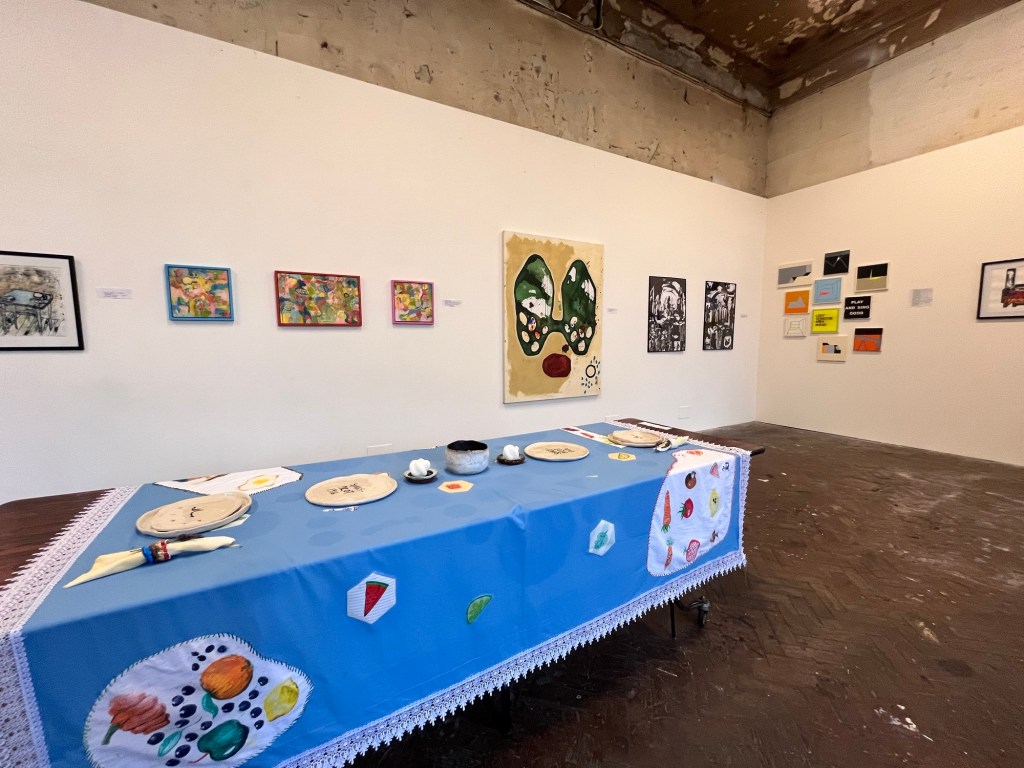
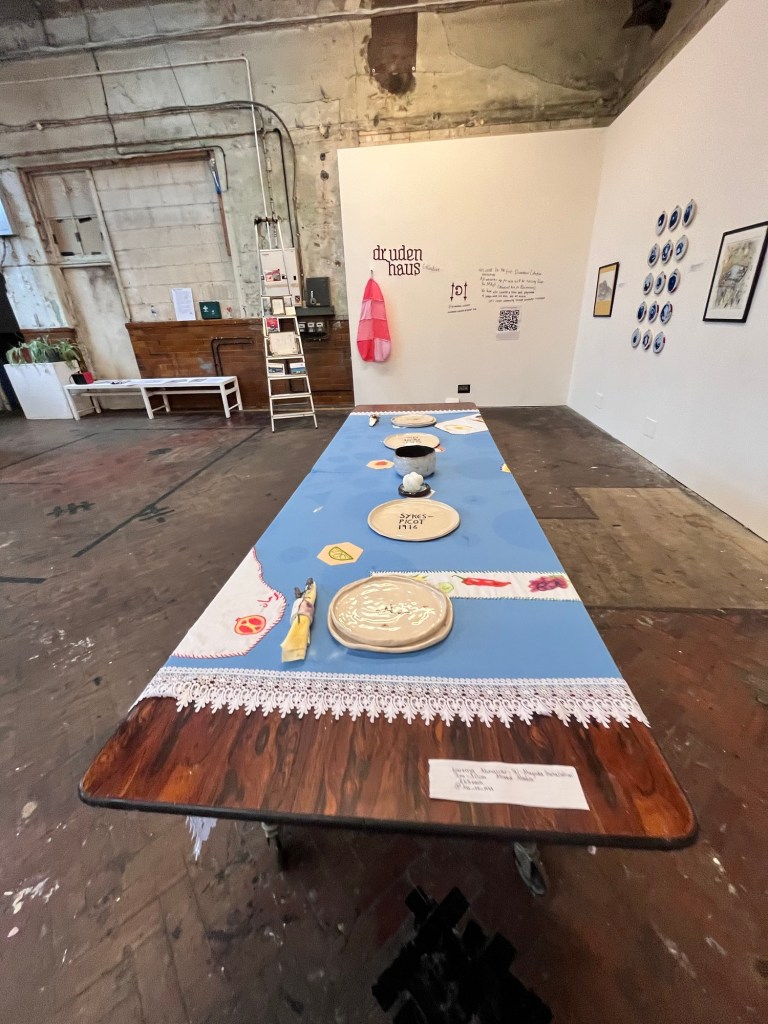
Again, Al-Mayida! The dining table is part of the DRUDENHAUS collective’s exhibition at Bridewell Gallery and Studios, Liverpool. This event includes a fundraiser for Medical Aid for Palestinians, adding a meaningful purpose to the show.

For this iteration, the work was set on a larger table than planned, shifting its dynamic. Though designed for two people, with fewer plates, and the tablecloth still bears marks left behind from previous exhibitions. The exhibition features both new and familiar artists, creating an interesting mix of perspectives.

Every curator brings a unique vision. The DRUDENHAUS collective’s decision to give the table more room to breathe was a contrast to previous presentations of Al-Mayida. This shift made me realise how flexible the work is, how it can adapt to different environments and be shaped by different interpretations.

One of the most meaningful aspects of this exhibition is its purpose as a fundraiser for Medical Aid for Palestinians. This adds weight and significance to the show. The dinner table, a place traditionally associated with hospitality, care, and conversation, becomes a symbol of solidarity. It reminds me that art doesn’t exist in isolation, it has the power to engage with real-world issues and bring people together in support of urgent causes.