Posted in 2025-2026, curation, Exhibitions, Experiments, Project, Reflection, Research, Social Sculpture

Last Reflection on The Right Map

As I write this final reflection on The Right Map, I can see how many threads hold this project together. There is the community garden that Tom Doubtfire leads with steady optimism. There is the fundraiser that Tom and I organised as members of Ghost Art School, with generous support in kind from The Bakery in Liverpool. And there is the final day itself, which happened only because of the effort and kindness shown by Rory Macbeth, there was no funding and no safety net, there were only people who care and people who give far more than anyone could fairly expect.

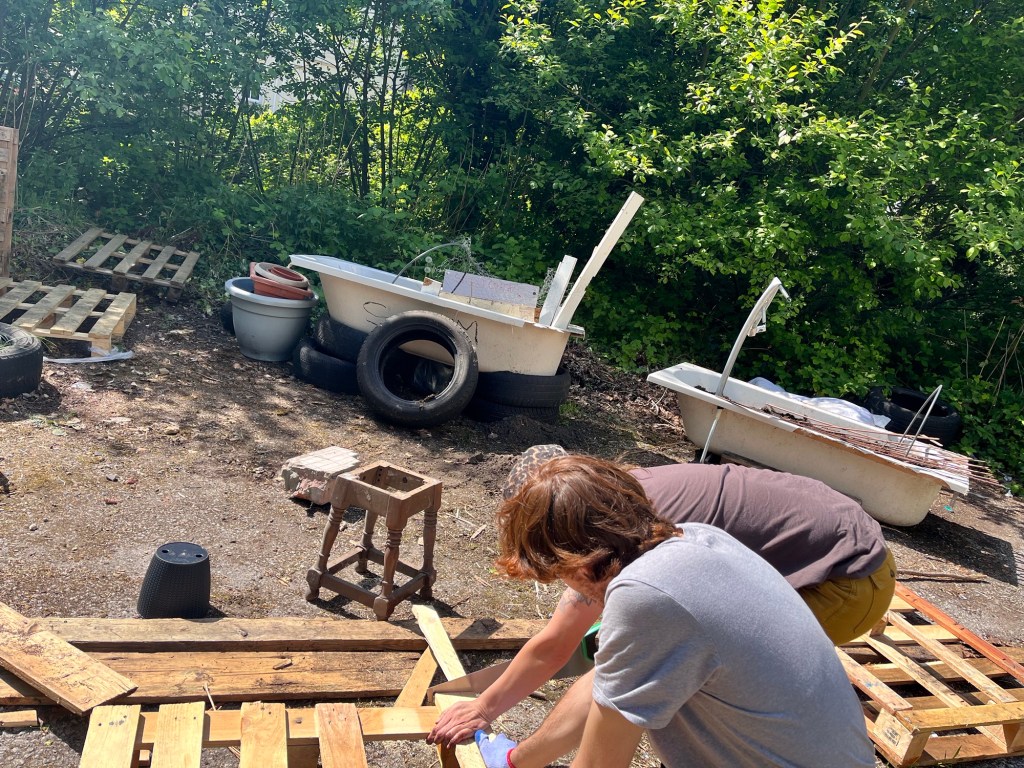
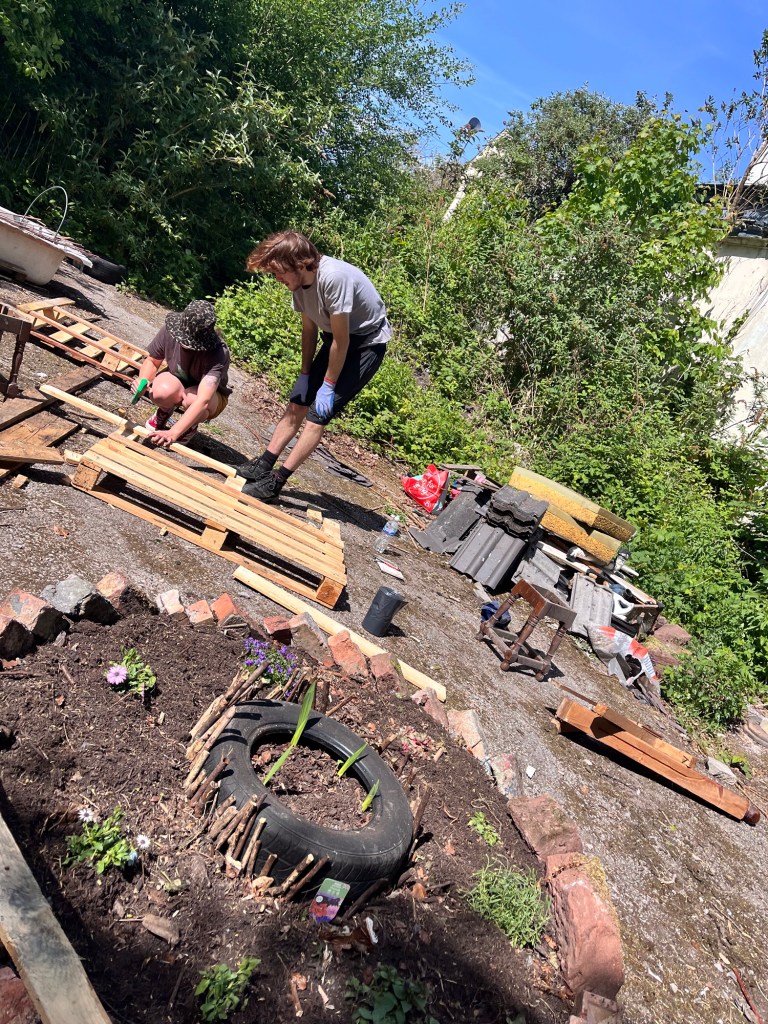
The Community Garden

The garden at the old social club-Kensington was meant to be a shared space, a place for people to grow food, spend time, and reclaim something green together. We cleaned it again and again. We cleared rubbish, made plans and planted possibilities… Yet there were days when I felt defeated. Rubbish would reappear as soon as we removed it.. Things were stolen! Many times it felt as if the effort was swallowed by indifference!

But Tom is different.. He keeps turning up with a sense of commitment that is both hopeful and stubborn. He holds a belief in slow change that I respect deeply and I’ll continue to support him, not only as a friend but as an artist I respect.

Fundraising as a Collective Gesture

The fundraiser at The Bakery was a small moment when collective energy came together. With the help of visitors, friends, and many acts of generosity, we raised £300 for Thamara Organisation.

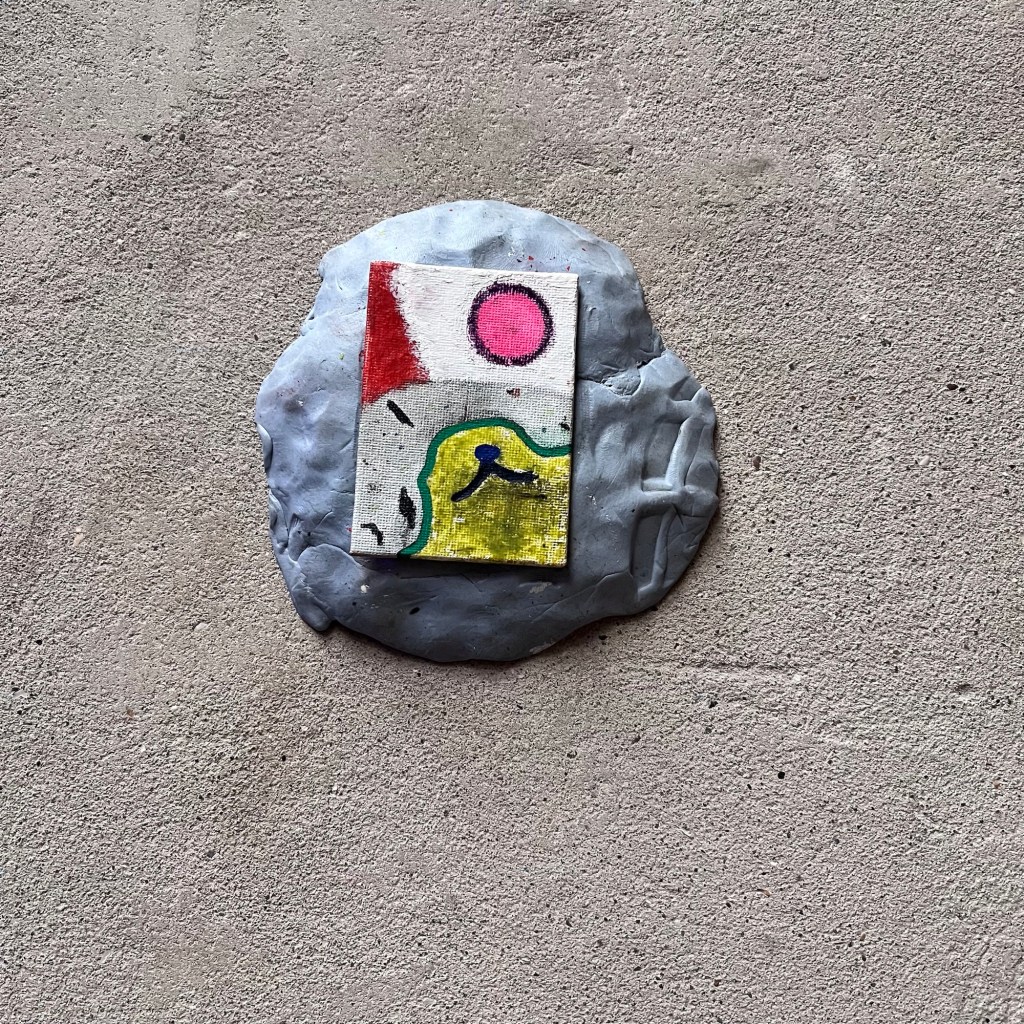
The rooms held an installation by Tom D, inspired by the community garden. There were drawings made by children in previous workshops Tom led. There were my political ceramics. There was a tiny painting by Tom Kelly, fixed to a huge blob of blue tack. There were paintings prints by Alison Reid.

And from food sales and prints and T shirts that I printed, some showing the map of Palestine and others carrying the Ghost Art School logo designed by Rory Macbeth, along with extra donations, the amount slowly gathered. It felt modest, but it carried meaning. It was a gesture of care that reflected the spirit of The Right Map.

The Final Day: Unstable 4 

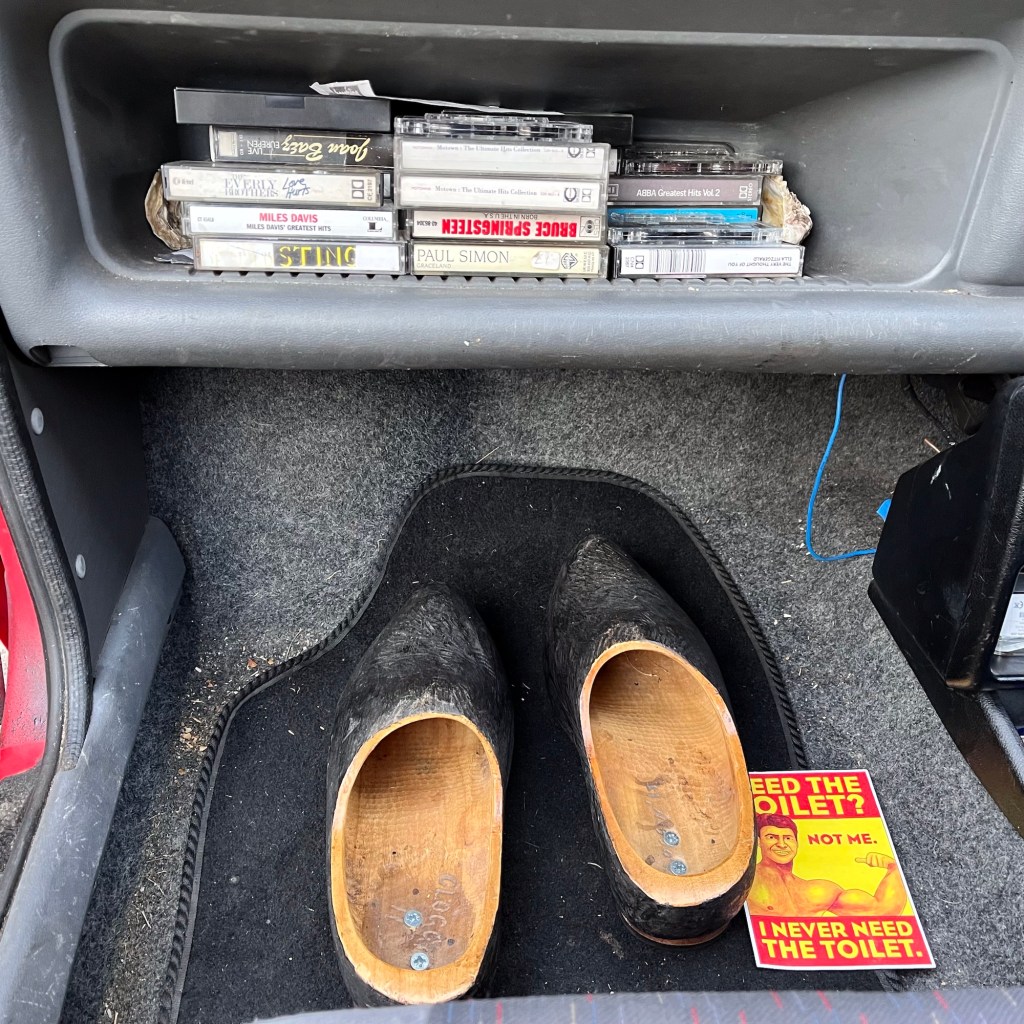
The final day of The Right Map was full of beautiful chaos.. I was working in other side at Crosby Library until the afternoon for a Liverpool Biennial event with the collective DARCH, so I arrived with no time to prepare anything special. Once again it was Rory who brought the day to a close and who held everything together with calmness and capability. I will not forget the amazing large carousel installation by Marie-Sofie Braune, who is now doing an MFA at CSM. It arrived from Germany and was too large to ship at a reasonable cost, so Rory travelled to deliver it and installed it.

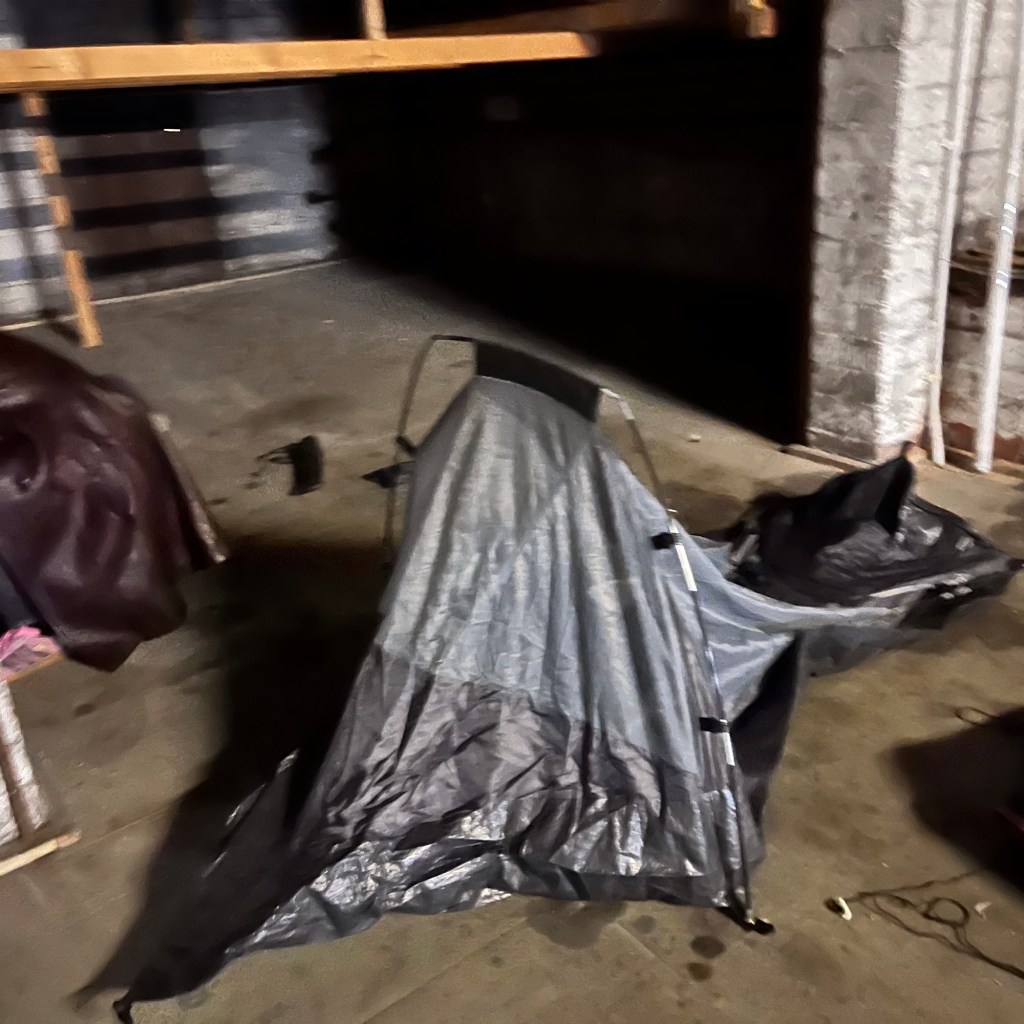
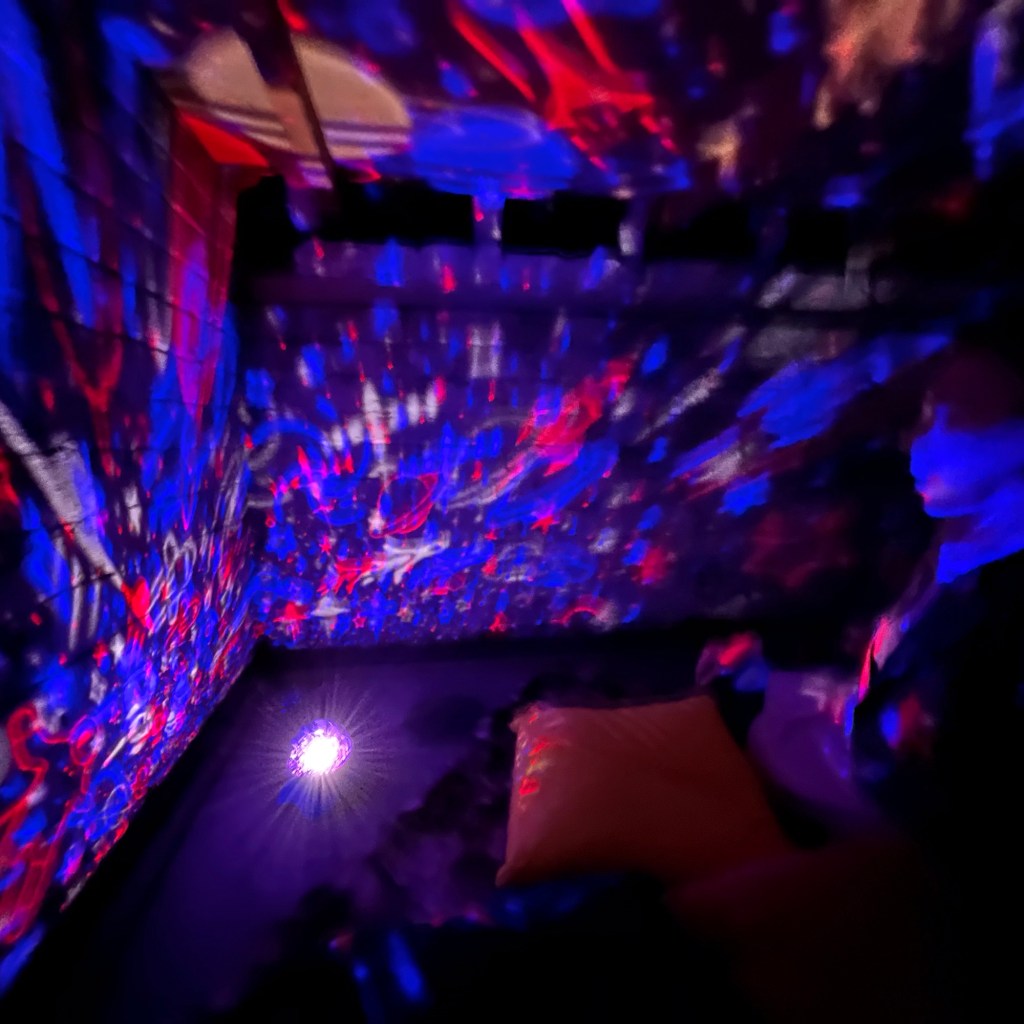
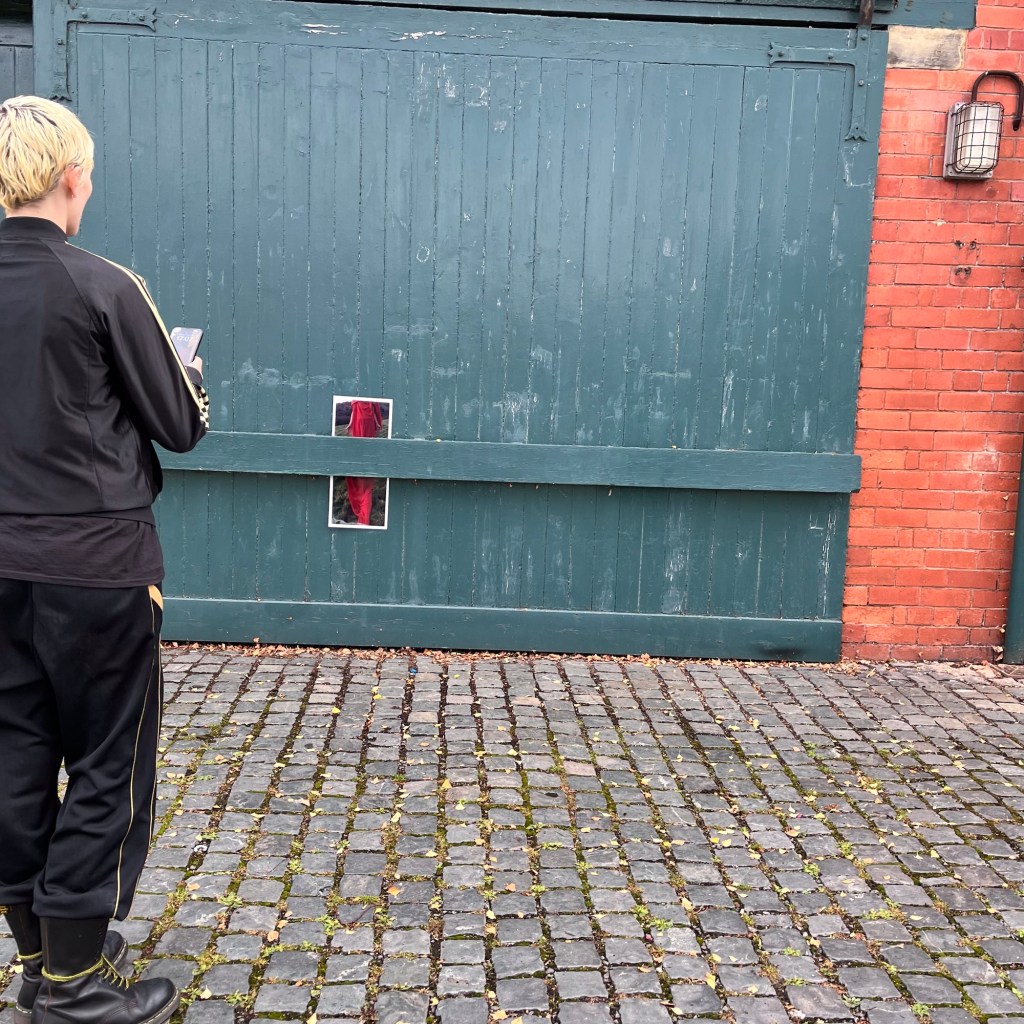
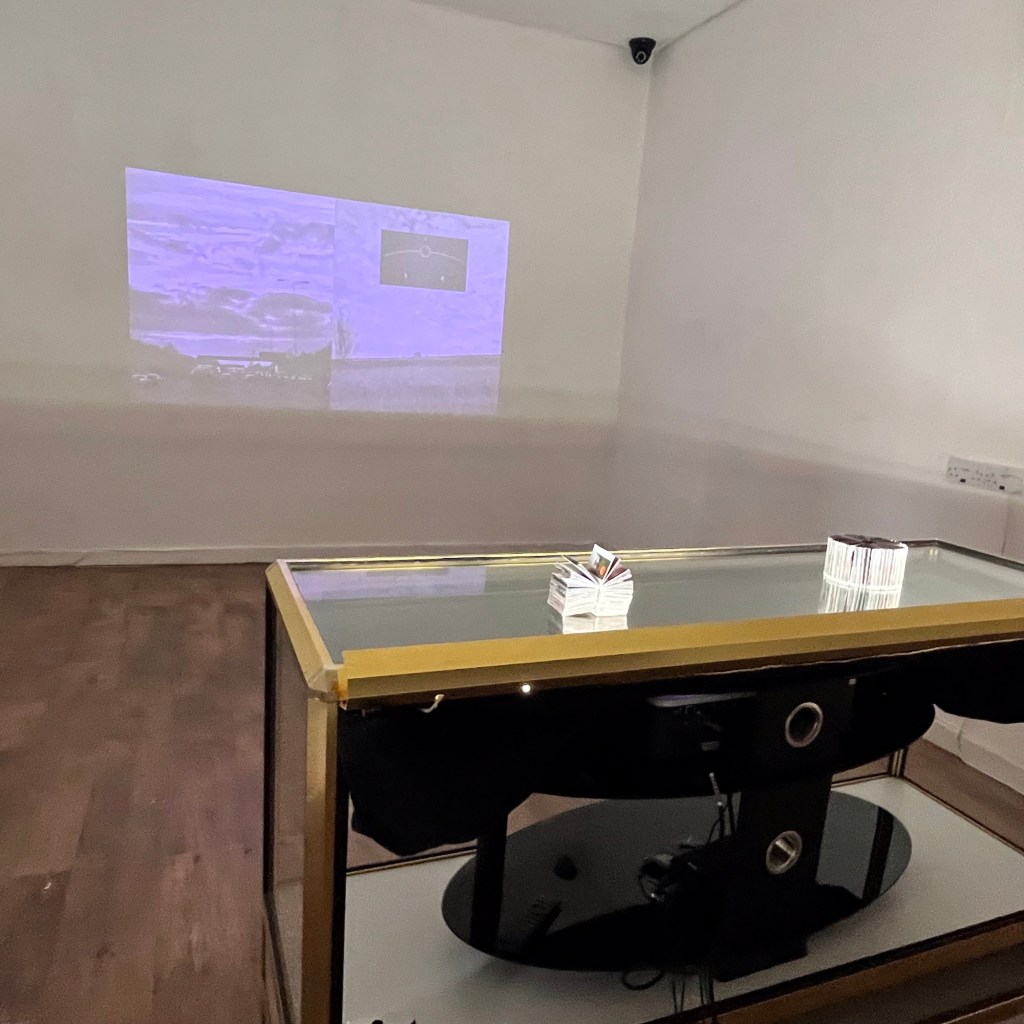
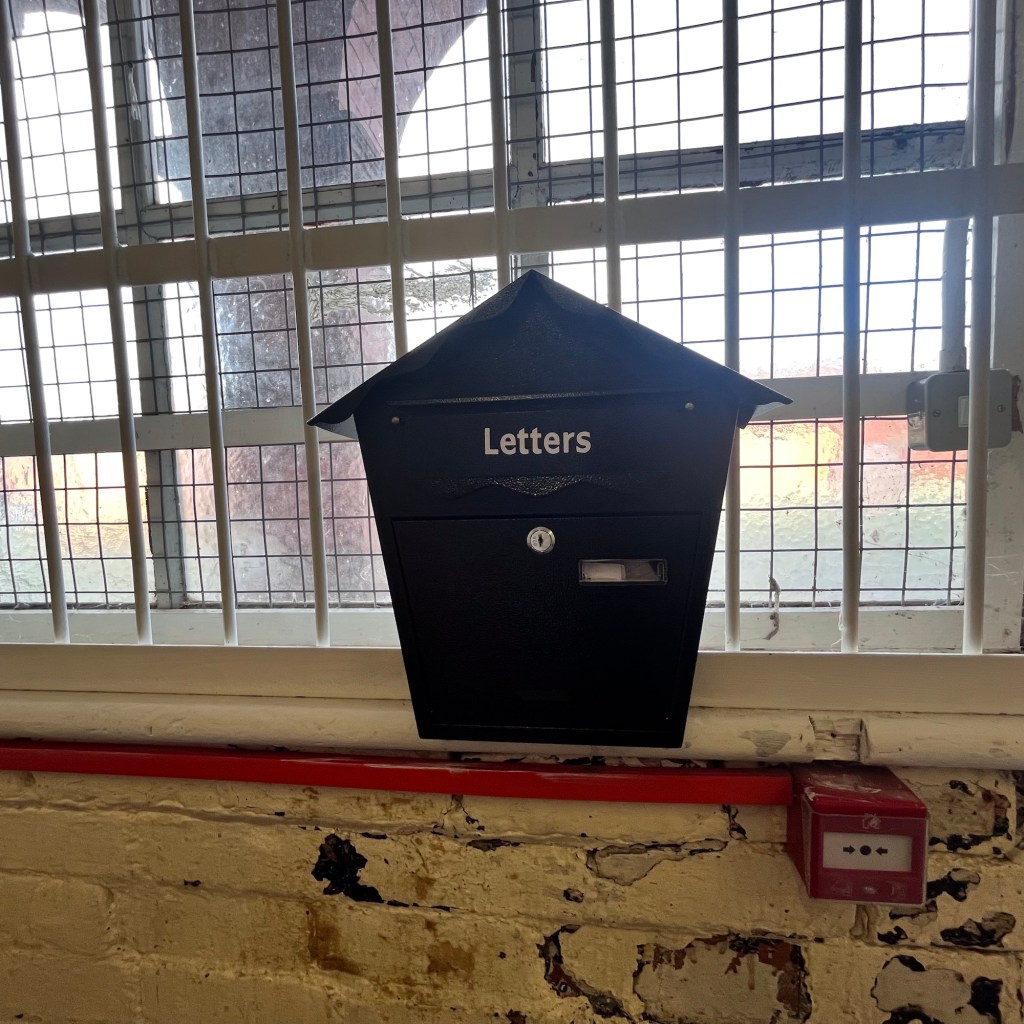
As Rory described it, the event became:“Unstable 4. The final event of Unstable at Port Sunlight fully embraced instability. A broken fever dream of a fairground carousel, a car trying to get into the gallery while playing dislocated tape loops, surplus images spat out of a machine, surplus films looping, noise performed, letters to the moon, records playing off centre, photographic sculptures hiding in half light, one to one performances in a tent.”

Somehow all of this disorder made sense. It was the right ending to a project that was never about polish but about presence. It showed what happens when artists, friends, and communities choose to take action even when resources are limited, even when schedules do not match, and even when the project is held together by human effort rather than funding.

Finally, The Right Map did not map places. It mapped relationships, labour, generosity, frustration, and persistence. It mapped the hidden work that supports community spaces and the unstability that becomes a creative method rather than a barrier.

The Right Map artists: Alison Reid, Alma Stritt, Charli Kleeman, Chelsea Johnson, Chris Roberts, Colm Moore, Conner Browne, Cos Ahmet, Danielle Freakley, David W Hicks, Eleanor Capstick, Finn Roberts, Gary Finnegan, Gwendolin Kircali, Halyna Maystrenko-Grant, Hannah Browne, Harriet Morley, Igor Prato Luna, Jasmir Creed, Jessica Crowe, Karema Munassar, Lily Patricija, Mai Sanchez, Marie-Sofie Braune, Molly Lindsay, Molly Mousdell, Phoebe Thomas, Priya Foster, Ritu Arya, Rory Macbeth, Sonic Relics, Theodora Koumbouzis, Tom Doubtfire, Tom Kelly, Valentina Passerini, and Xueying Zhang 

Posted in 2025-2026, collaboration, curation, Project, Reflection, Social Sculpture

Tablecloth for a Feast at the Library

In the summer, I coated large pieces of fabric (a single bed sheet) with a light sensitive solution and left them to dry in a dark room. After a few days, I invited participants from a group of women and children to a cyanotype workshop. We used plants and flowers collected during the library’s foraging sessions led by Kitchen Library artists George Herbert and Niamh Riordan, and artist in residence Hannah Fincham, linking our work directly to the local environment.

When the fabric was laid out under the sun, the women and children carefully arranged the plants, holding them down with stones and found objects. Leaves, stems and other gathered items became areas of negative space, and the sunlight painted around them. After rinsing the fabric in water, deep blues emerged, revealing the delicate silhouettes of each plant. For many in the group, particularly those who had recently arrived in the UK, this process offered something simple and grounding. Cyanotype is slow and gentle. It does not require previous artistic training or a shared language… The sun does most of the work!

In a second workshop, we returned to the dried and cured cyanotype cloth, now covered with ghostly plant impressions. The women and volunteers stitched messages into the fabric, simple words that carried enormous emotional weight such as Love, Welcome, Root, We Are Here, along with others that expressed hope and belonging. These stitched messages felt like offerings, small acts of care placed directly into the surface of a communal object that would later host a shared meal. For many of the refugee participants, displacement, uncertainty and cultural disconnection are part of daily life. Embroidery, however, is familiar across so many cultures. Hands know how to hold fabric, how to push a needle through, how to make a mark that lasts.

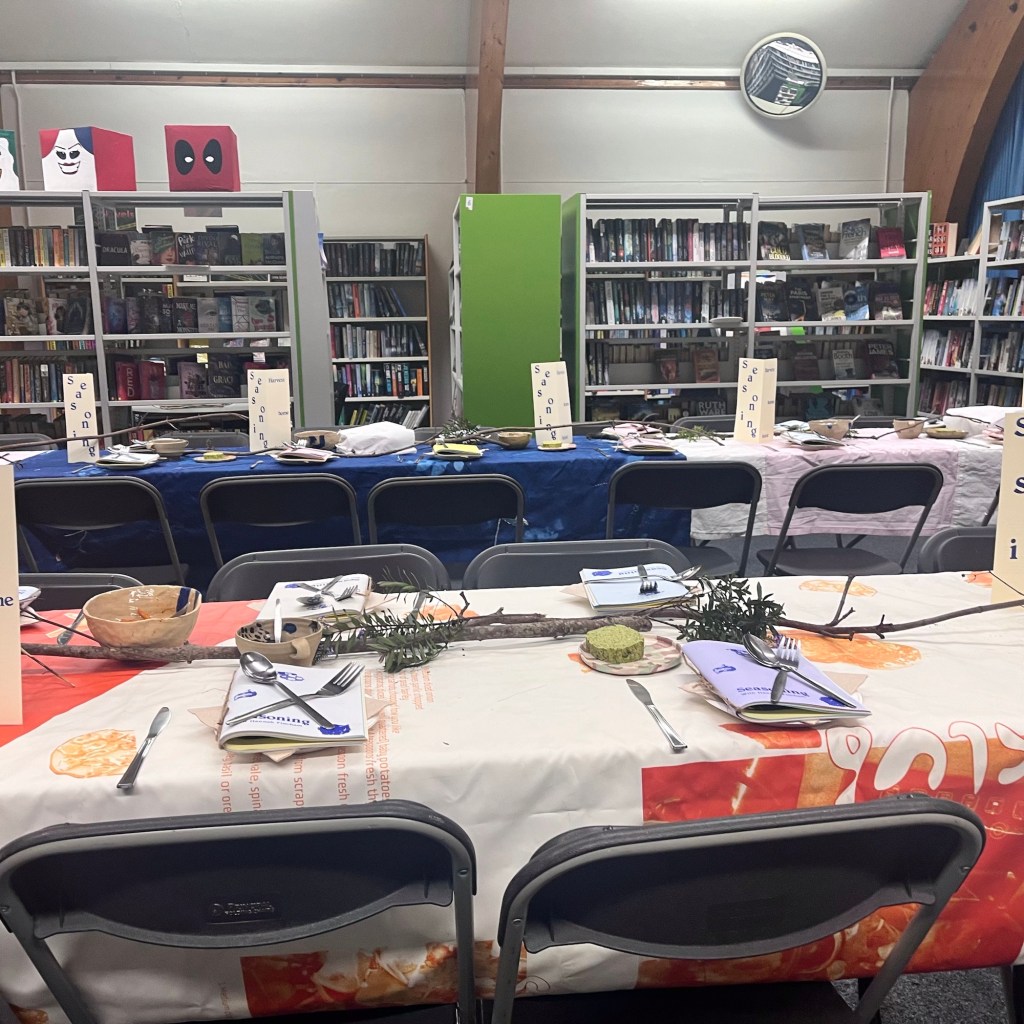
Finally, last week on Friday night we had a feast in Bootle Library. The tablecloth ran along the length of one of the tables reserved for my group. It carried the plants of Sefton, the light of our summer workshops, and the stitched words of women and children who are rebuilding their lives. Seeing it in place, surrounded by food, conversation and the warm buzz of At the Library’s artists and team, was profoundly moving. I wanted to reflect on it because it is so connected to my social sculpture research and my own practice. I felt it reflected much of what we do at the library and echoed what Jonathan taught us last week about Contact Zones. The library is, for me, the clearest physical Contact Zone.

Working alongside colleagues, each contributing their own talent and care, reminded me how these projects are held in harmony by many hands. The feast was not about showcasing artwork, it was about celebrating community, connection and the slow work of building trust through creativity. The feast project by the Kitchen Library feels to me like a multilayered social sculpture. It unfolded across different times, places and relationships. Each layer held a different group of people including colleagues, refugee women, children and artists in residence, and each contributed something unique such as their labour, their stories, their presence and their materials.

The tablecloth project deepened my understanding of social sculpture and care through art. More importantly, in a time when many communities are fractured, the involvement of refugee women and children revealed how creativity can bring us together, even if only for a moment. The tablecloth is only one visible layer. Beneath it lies the invisible sculpture of conversations, gestures, learning, trust building, cultural exchange and the shared act of preparing for a communal feast. All of these intangible elements shaped the social form just as much as the physical cloth.

Posted in 2025-2026, collaboration, Exhibitions, Project, Reflection

The Right Map Reflection: Communication Through Hands

I showed a new work in the group exhibition Slip Stream at CBS Gallery 1st July , curated by Phoebe Thomas. The curatorial framework set us an unusual challenge: each artist was given a 50-word anonymous biography of another contributor. Without names, without identities, we had to respond to these fragments and create a work that became, in some way, a conversation.

My response was a sculpture that invited people to communicate through their hands. The idea began with a conversation I had with my tutor, Jonathan, about how deafblind people often use touch as their primary language. That image stayed with me, of words transformed into hand movements, of dialogue carried through the skin.

I worked with a carpenter to build a wooden structure, box-like and slightly absurd. In fact, he thought it was a lab project at first, not an artwork. It has two circular holes on each side, just large enough for a hand to slip through. Inside, participants could meet in the middle, fingertips searching for another human presence.

What unfolded was fascinating. Some people laughed, finding the whole set-up comical. Others hesitated, uncertain about the strangeness of touching an unseen hand. A few lingered, holding on quietly as though the box had suspended time and language. I loved how the responses varied, awkwardness, tenderness, curiosity, even vulnerability.

For me, the sculpture is about the fragility of communication. We take for granted the ease of speaking or looking, but when those channels are removed, what remains? What does it mean to reach out when you cannot see or hear the other person? In the gallery, the box became a stage for these encounters: funny, intimate, and unsettling all at once.

This work revealed something important about my practice. I often circle back to questions of language, misunderstanding, and how people find ways to connect across barriers. I came to see how even the simplest gestures can be at once symbolic and deeply tangible. In its awkwardness, the sculpture echoed the curatorial task we had taken on blindly, while also reflecting my interest in co-production: an exploration of indirect connection, partial knowledge, and the fragile space between concealment and encounter.

Posted in 2025-2026, collaboration, curation, Exhibitions, Reflection

Invigilator X Artist

Someone: Should artists invigilate their own exhibition?

Me: Absolutely not!

We finally opened our first exhibition Unstable #1 on the festival’s opening day 7th of June . The works were powerful, the team was wonderful, and I learned so much from them. I remain deeply grateful to everyone who came, especially my tutor Jonathan. The exhibition brought together artists from Liverpool, London, Glasgow, Germany, and even as far as Australia.

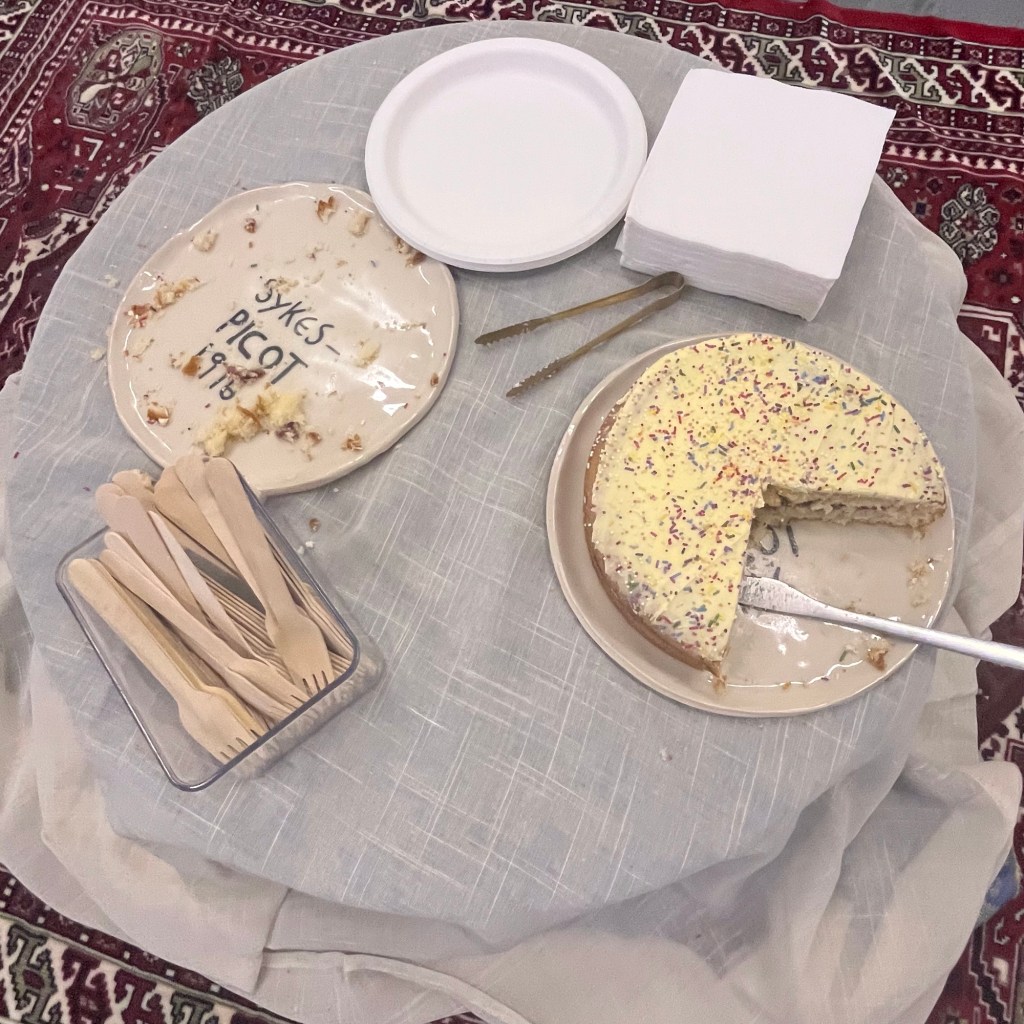
But despite the excitement, I had a difficult experience when I volunteered to invigilate for a day. The Biennial was short of volunteers, and I wanted to help. Yet what I found most challenging was being present in front of my own work: the Sykes–Picot plates, left exactly as they had been on opening night, still holding the crumbs of cake.

When visitors arrived, I would usually begin by introducing the other artists’ works, one by one. I avoided starting with my own. I didn’t present myself as “the artist” but as someone available to guide, to answer questions. I wanted to hear honest responses without the filter of politeness.

Two moments unsettled this:

– First, a group of visitors stopped at my work, were deeply moved, and immediately linked it to what is happening in Gaza. They asked questions, spoke at length, and even wanted a photo of me with the piece.

– Then, two other visitors became emotional as we discussed the history of Sykes–Picot. They spoke of the weariness of violence, of how exhausting it is to keep watching the news. One woman broke down in tears. I felt her exhaustion echo within me, though I tried to remain composed and gently encouraged her to look at the other works.

In those moments, I realised how much people need space to voice their rejection of violence and injustice. We all long for ways to speak out, to push against the weight of helplessness or guilt.. yet, after those encounters, I knew I couldn’t invigilate again. The conclusion was clear: invigilating is not for me.

Posted in 2024/2025, Exhibitions, Experiments

Al-Mayida at Bridewell Gallery & Studios

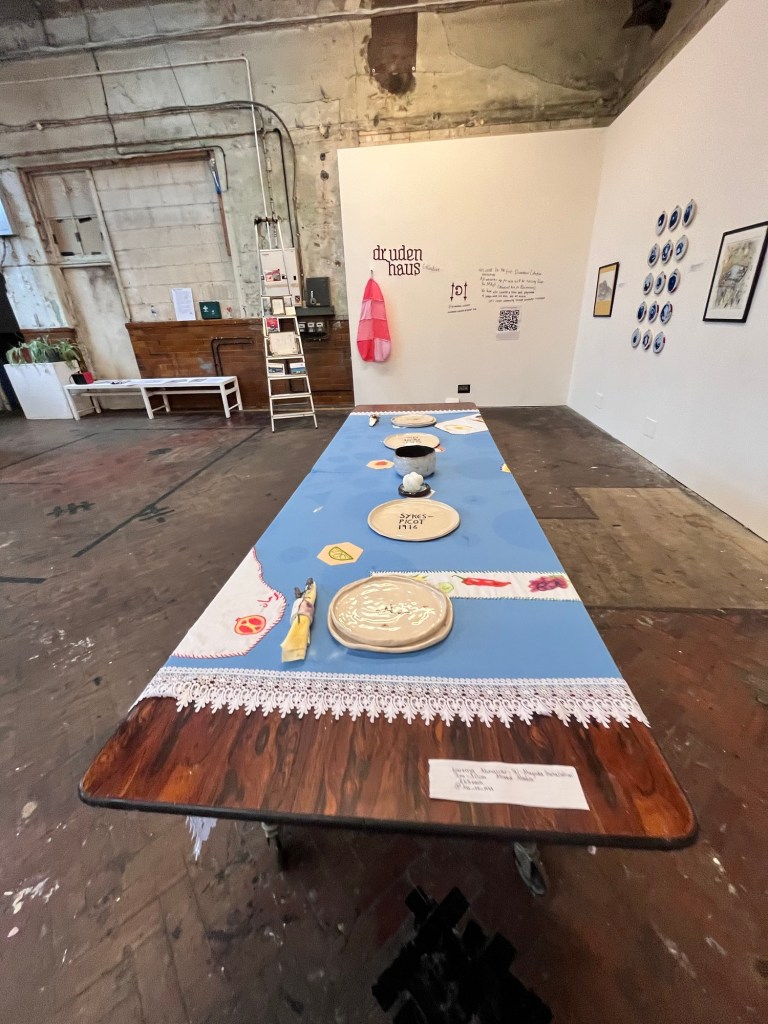
Again, Al-Mayida! The dining table is part of the DRUDENHAUS collective’s exhibition at Bridewell Gallery and Studios, Liverpool. This event includes a fundraiser for Medical Aid for Palestinians, adding a meaningful purpose to the show.

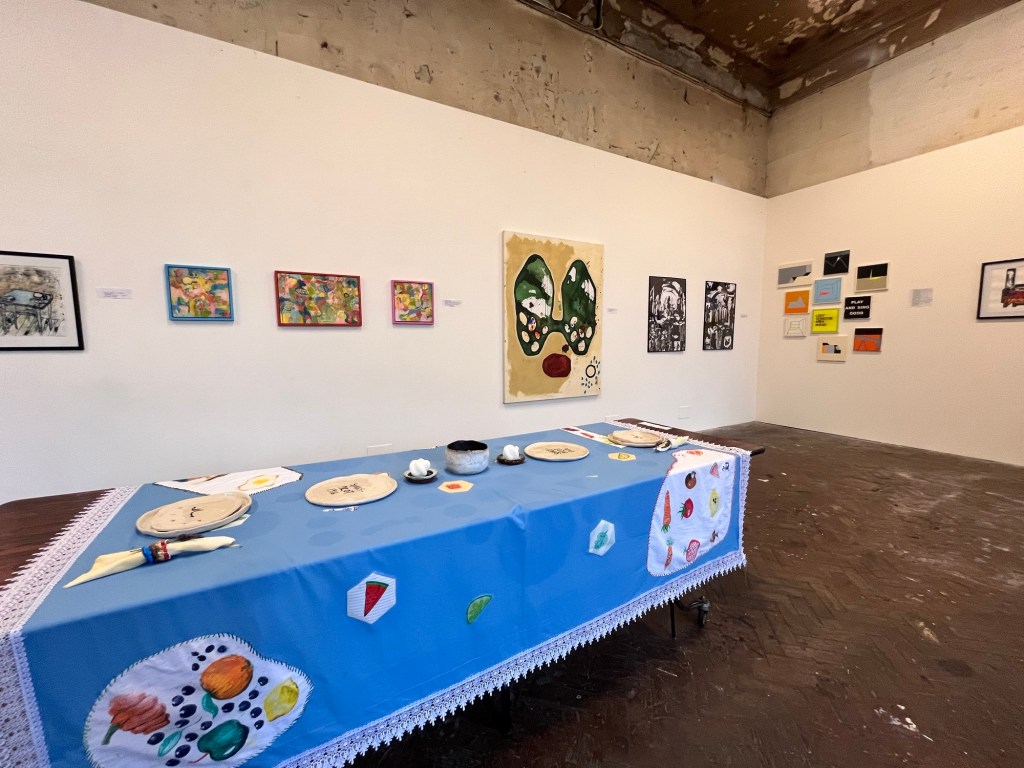
For this iteration, the work was set on a larger table than planned, shifting its dynamic. Though designed for two people, with fewer plates, and the tablecloth still bears marks left behind from previous exhibitions. The exhibition features both new and familiar artists, creating an interesting mix of perspectives.

Every curator brings a unique vision. The DRUDENHAUS collective’s decision to give the table more room to breathe was a contrast to previous presentations of Al-Mayida. This shift made me realise how flexible the work is, how it can adapt to different environments and be shaped by different interpretations.

One of the most meaningful aspects of this exhibition is its purpose as a fundraiser for Medical Aid for Palestinians. This adds weight and significance to the show. The dinner table, a place traditionally associated with hospitality, care, and conversation, becomes a symbol of solidarity. It reminds me that art doesn’t exist in isolation, it has the power to engage with real-world issues and bring people together in support of urgent causes.

Posted in Exhibitions, Reflection

A Reflection on Culture, Unity, and Peace

This summer, I had the opportunity to showcase Al-Mayida (The Dining Table) at Birkenhead Central Library, an installation exploring the universal and symbolic significance of the dining table. And recently, the work was selected for Hypha Studios and Dispensary Gallery’s group show in Wrexham, adding a new layer of meaning by placing it in dialogue with other multidisciplinary pieces in a 15,000-square-foot exhibition space. With its vibrant, community-centered focus, Al-Mayida became a platform for discussing culture, peace, and the shared human experience of gathering. Moving the installation from Birkenhead Library to the larger venue in Wrexham taught me to consider how an artwork’s message and impact evolve with changes in environment and scale.

The dining table holds a unique, cross-cultural significance, serving as a setting for family meals, heartfelt conversations, and shared memories. With Al-Mayida, I aimed to capture these moments by creating an immersive, interactive experience that emphasises gathering, storytelling, and unity. Drawing from a blend of artistic mediums—ceramics, textiles, and Arabic calligraphy—the installation celebrates the act of coming together, inviting audiences to reflect on what it means to share a meal, both literally and symbolically.

On the final day of Al-Mayida, I introduced a dinner set, with each item inscribed with the Arabic word for peace—سلام (Salam). “Peace,” as a concept and a word, transcends borders, symbolising our shared humanity and fostering dialogue around unity and understanding. This white ceramic set, with its minimalist design, carries a calm, contemplative energy, resonating with the installation’s message of harmony.

As a closing touch to the exhibition, I crafted three large plates inscribed with references to the Sykes-Picot Agreement, the 1916 colonial pact that divided the Middle East into spheres of influence and reshaped its geopolitical landscape. This historical reference acknowledged the dining table not only as a place for personal stories but also as a platform for global reflection. These plates became symbols of resilience, encouraging visitors to consider how history shapes our identities, our relationships, and our ongoing quest for self-determination.

The presence of these plates alongside the Salam ceramic set introduces a compelling tension—a juxtaposition between the ideals of peace and unity and the complex legacies of political history. I hope these pieces spark conversations about the ways past injustices continue to impact the present, inspiring a shared commitment to a more peaceful future.

Reflecting on Al-Mayida, I see a pathway forward that embraces community involvement, broadens cultural exploration, and deepens historical reflection. This work has laid the foundation for a practice rooted in dialogue, shared experience, and the powerful simplicity of gathering around a table.