
I wrote this piece after meeting a stranger at the garden, young woman and her friend. I was with my friends at an abandoned garden space, helping a friend artist Tom Doubtfire who was turning it into a community garden. We planted flowers and vegetables, cleaned the area many times, and removed piles of rubbish, even though people kept throwing more and using the space at night for drug dealing.
It is sad to see that, but also inspiring to witness how a group of artists continues to work with hope and determination to make a tangible difference. This is what I believe social sculpture truly means, making change through collective effort and care.
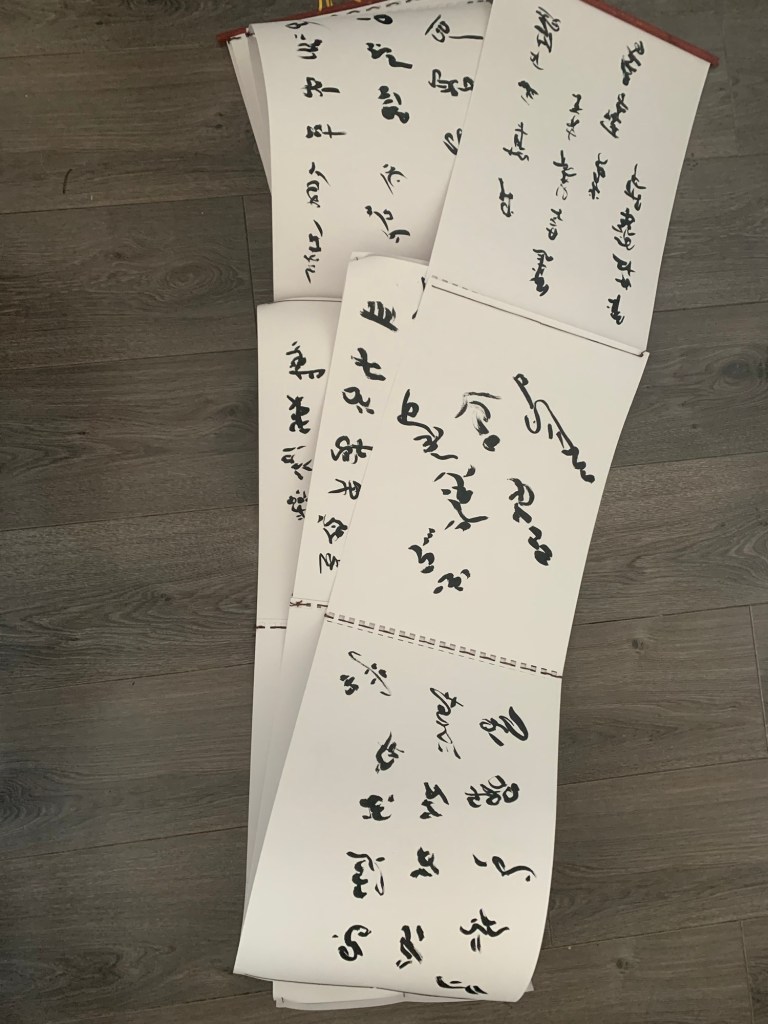
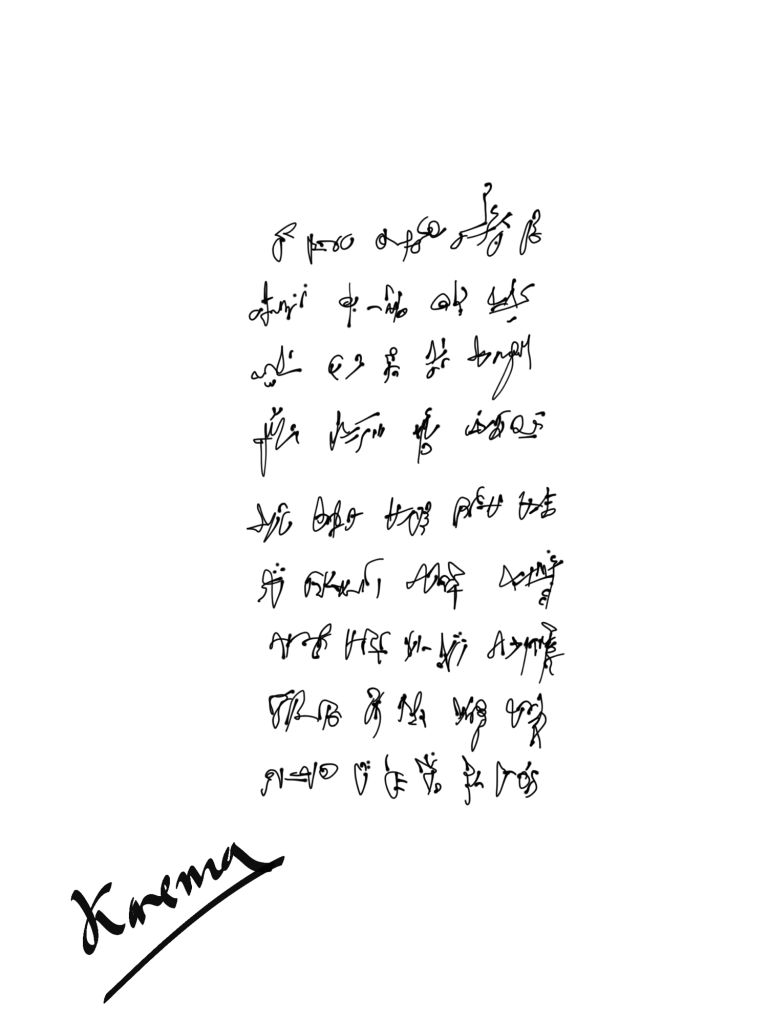
The piece was first written in Arabic and then translated into English as a note to myself. Later, I decided to include it in my Hands Box sculpture, inviting others to add their own words if they feel moved to do so.
I will share more about the community garden and the legend Tom Doubtfire in another post.

Kate ..
في تلك اللحظة شعرت بعجزٍ تام عن التعبير. كانت العيون وحدها تتحدث بلا انقطاع، وكأنها تفرّ من الكلام عن ذلك الذي يخيم بيننا، كأنه شبح خفي. كانت عيناها تخفيان أسرارًا كثيرة، وكنت أتجنب التحديق فيهما، إذ كلما التقت نظراتنا، راودتني رغبة ملحّة في أن أقول ما هو جوهري: “أنا قلقة عليكِ… أنتِ بحاجة إلى المساعدة، ويبدو أنك لست بخير.”
لكن عينيها كانتا تقولان بصمت: “ليس الآن”، بينما لسانها انشغل بسرد قصص عن بطولات إنقاذ الحيوانات وحب النباتات. كنت أودّ أن أخبرها بأنني أرى نقاء قلبها، لكن الكلام بدا بلا جدوى، فقد بدت شبه غائبة عن الوعي. ما كان مهمًّا آنذاك هو أن تواصل الحديث ونحن نصغي، إذ كانت تحتاج لمن يسمعها في تلك اللحظة تحديدًا.
راحت مشاعر الحزن تطوّقني، وبدأت أتحرّك مضطربة بين اليمين واليسار، بينما هي تُصرّ على ألا تُبعد عينيها عني. اجتاحني ارتباك، فابتسمت وضحكت، دون أن أدري كيف أسيطر على كل ما كان يعتمل بداخلي.
كان الحرف الأول من اسمها هو ذاته الحرف الأول من اسمي، وكانت آثار الجروح واضحة على جسدها النحيل. كانت برفقة صديق بدا هو الآخر بحاجة إلى العون…
عانقت الجميع قبل أن ترحل، ووعدت بأنها ستعود في الغد حاملةً معها بعض الأزهار.
لم أكن وحدي في ذلك المكان، بل كنت بين أناس أعزّهم كثيرًا؛ أناسٍ كلما اقتربت منهم، رغبت لو أختبئ خلفهم ولا أبالي بشيء…
In that moment, I felt utterly incapable of expressing myself. Only our eyes kept speaking incessantly, as though fleeing from acknowledging what loomed between us, a hidden ghost. Her eyes concealed many secrets, and I avoided staring into them, for each time our gazes met, I was seized by an urgent desire to say what truly mattered: “I’m worried about you… You need help, and it seems you’re not okay.”
But her eyes silently replied, “Not now,” while her tongue busied itself with tales of heroic rescues of animals and a love for plants. I longed to tell her that I saw the goodness in her heart, but words felt futile, as she seemed almost absent, barely conscious. What truly mattered then was for her to keep speaking, while we simply listened, she needed someone to hear her in that very moment.
A wave of sorrow surrounded me, and I began pacing back and forth, while she insisted on keeping her eyes fixed on mine. I felt overwhelmed, smiling and laughing without knowing how to contain the turmoil raging inside me.
The first letter of her name was the same as the first letter of mine, and marks of wounds were visible on her frail body. She was accompanied by a friend who also seemed in need of help… She hugged everyone before leaving, promising she would return the next day, bringing some flowers with her.
I was not alone in that place, I was surrounded by people I hold very dear, people whose closeness makes me wish I could hide behind them and care about nothing else…


 Karema