
The first session of Art for Earth’s Sake by Engage:
Peer Learning Programme was both inspiring and thought-provoking. This initiative, designed by Engage members, brings together diverse voices to explore how visual arts can respond to the pressing environmental and ecological crises of our time. The online session created a dynamic space for connection, exchange, and collective learning.
Art has long served as a powerful medium for addressing complex issues. During the session, we reflected on how art can function as a “place” — a vital space for connection, communication, and fostering belonging. This concept resonated deeply with me. As an artist, I believe meaningful change begins when we create spaces for open dialogue and shared experiences.
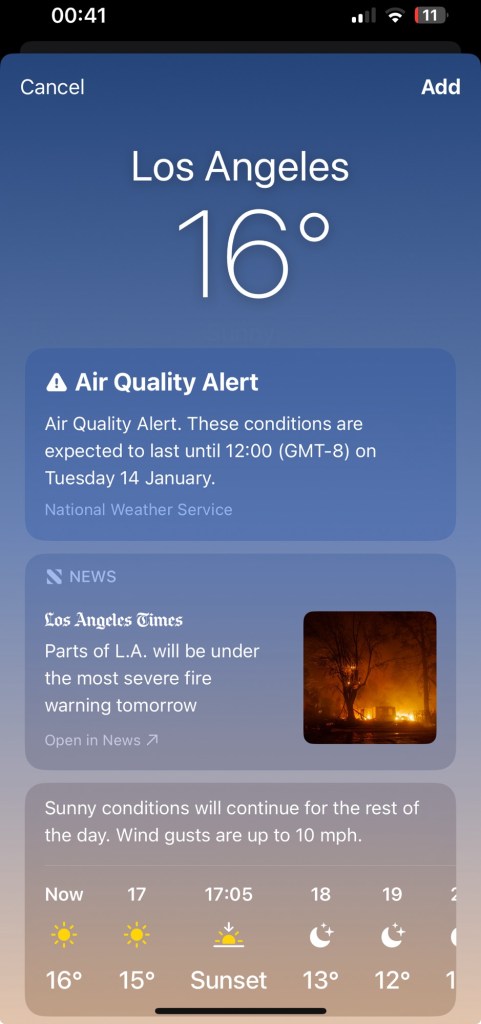
Today’s headlines—be it Gaza burning under human conflict or wildfires ravaging Los Angeles—serve as stark reminders of our interconnected crises. Climate change, political instability, and violence are all deeply entwined. As humans, we bear the responsibility to make a difference, no matter how small. Saying “no” to war, violence, and greed is critical before the Earth pushes back. This realisation drove me to join this programme, especially as a producer working with refugees and students eager to learn about socially engaged art around themes of politics, migration, and the environment.
A recent discussion at Liverpool’s “ghost art school,” which I co-organised, reminded me of the importance of shared spaces. A fellow artist remarked, “Living is a way of research.” I would add that living with others—and fostering environments where people feel safe and free—is essential for authentic collaboration and growth.
One of the most compelling topics from the session was ecocentrism—a philosophy that centres Earth and its ecosystems rather than humanity alone. This approach challenges the anthropocentric mindset dominating contemporary thought.
Ecocentrism is not a modern idea; it has been integral to indigenous cultures for millennia, embedded in their traditions and laws. This was a moment of profound clarity for me. To genuinely tackle the climate crisis, we must transition from a human-centred worldview to an Earth-centred one.
The session also showcased artist-led projects that weave ecological concerns with social engagement. One example was Scotland’s Deveron Projects, which has been creatively connecting people with the land for over 30 years. Initiatives like their “soil spa” and a dance project inspired by the land demonstrate art’s capacity to reconnect us with nature in meaningful ways.
This session reaffirmed my belief in art’s ability to inspire dialogue and action. By embracing ecocentric perspectives and fostering collaboration, we can address the ecological crisis holistically and inclusively.





 Karema