

This month I co produced a Sudanese wedding ceremony at the library. The work used a familiar civic space to hold a cultural practice that is usually private, celebratory and communal, placing it in dialogue with public life. While the process was challenging, it opened the library as a site of encounter rather than quiet consumption, attracting visitors who came not only to observe but to learn and witness together.
The project emerged from my fortnightly creative sessions at the library, which I facilitate with a group of participants to support newly arrived women and children to connect, settle in Bootle, make friendships and practise English through informal and collective activity. These sessions operate as a slow infrastructure of care rather than a fixed outcome. The wedding ceremony was not pre planned by me, but proposed by the Sudanese women themselves, who expressed a strong desire to share their wedding traditions.
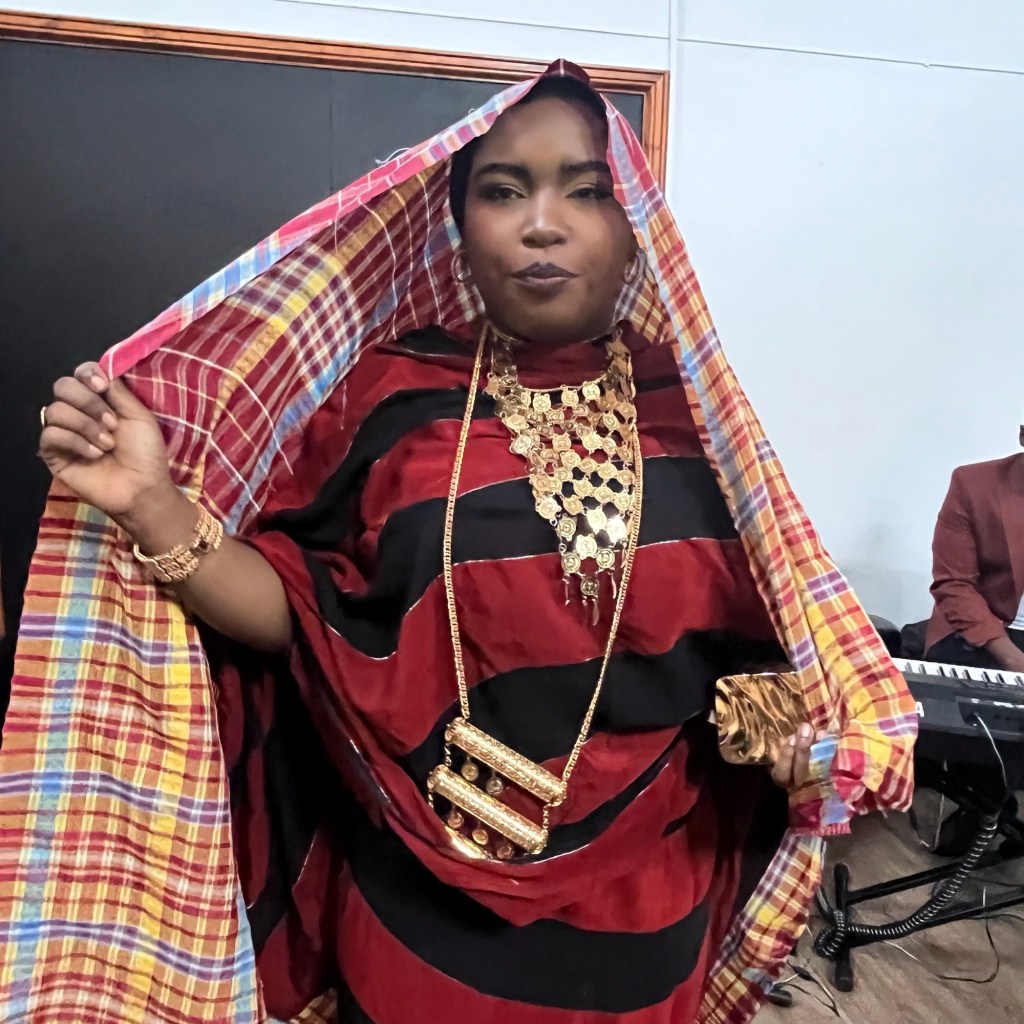

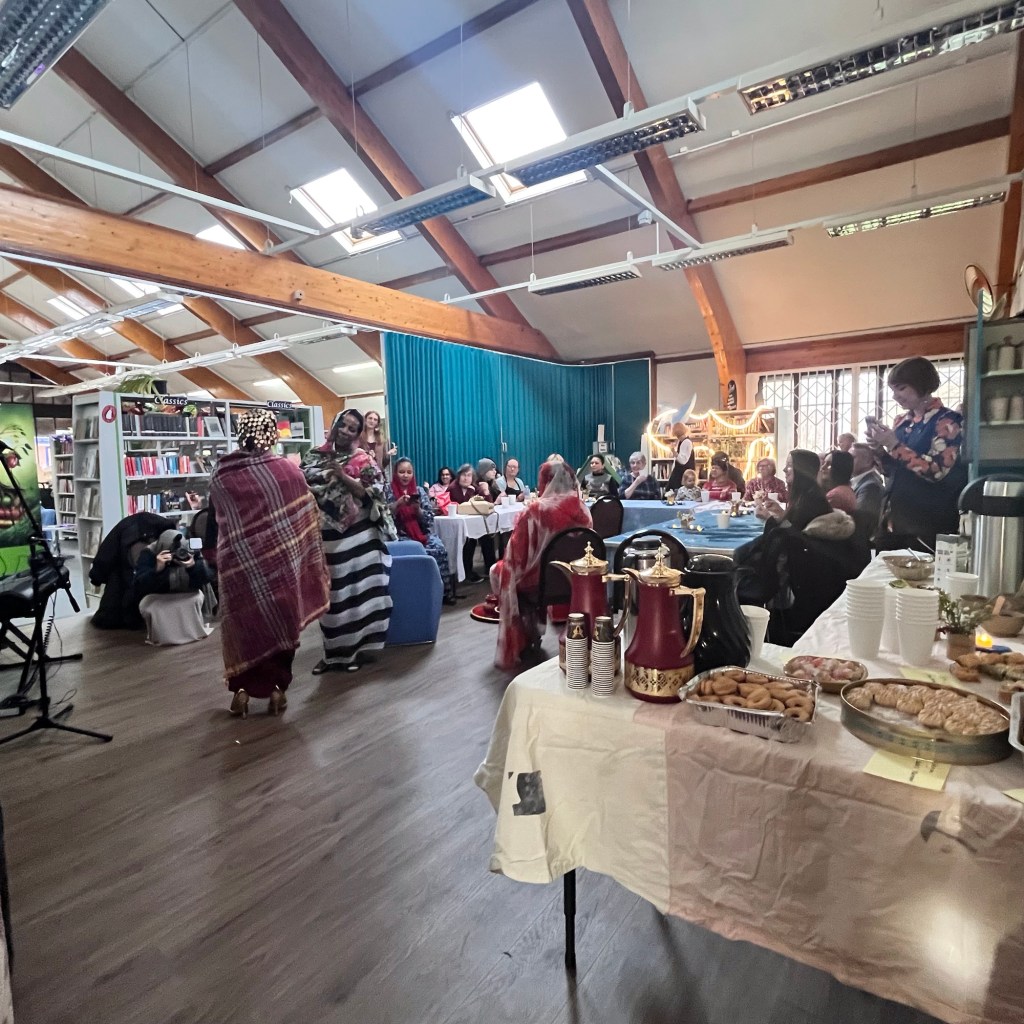


At a time when Sudan is experiencing profound political and humanitarian crisis, my role was not to represent suffering but to create conditions for self representation. Social sculpture, in this context, becomes an ethical practice of listening, redistribution of authorship and trust. Two women developed the idea of the ceremony, another joined to perform the pride ritual wearing traditional jewellery and clothing, while a Sudanese musician volunteered to provide live music. A young filmmaker offered to document the event, and participants brought desserts to share with guests. Each contribution shifted the work further away from individual authorship and towards collective agency.


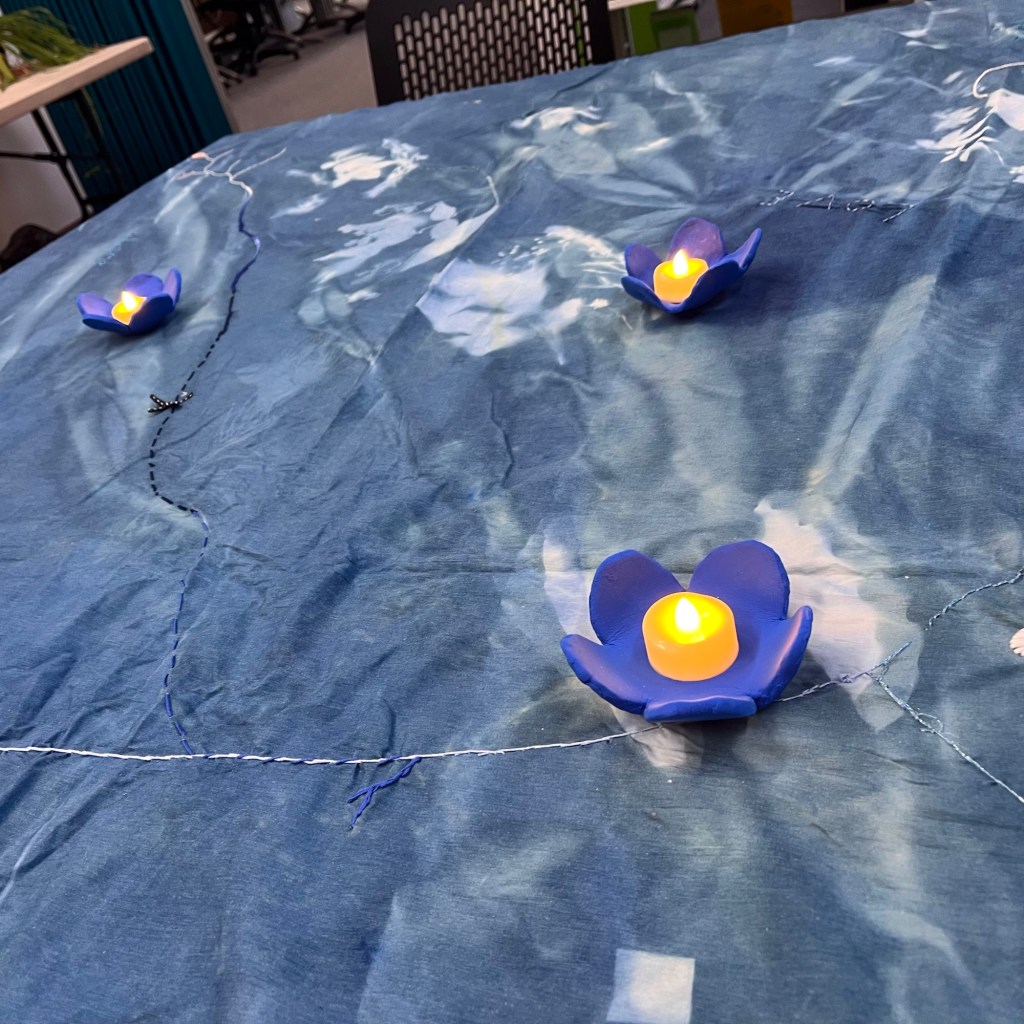
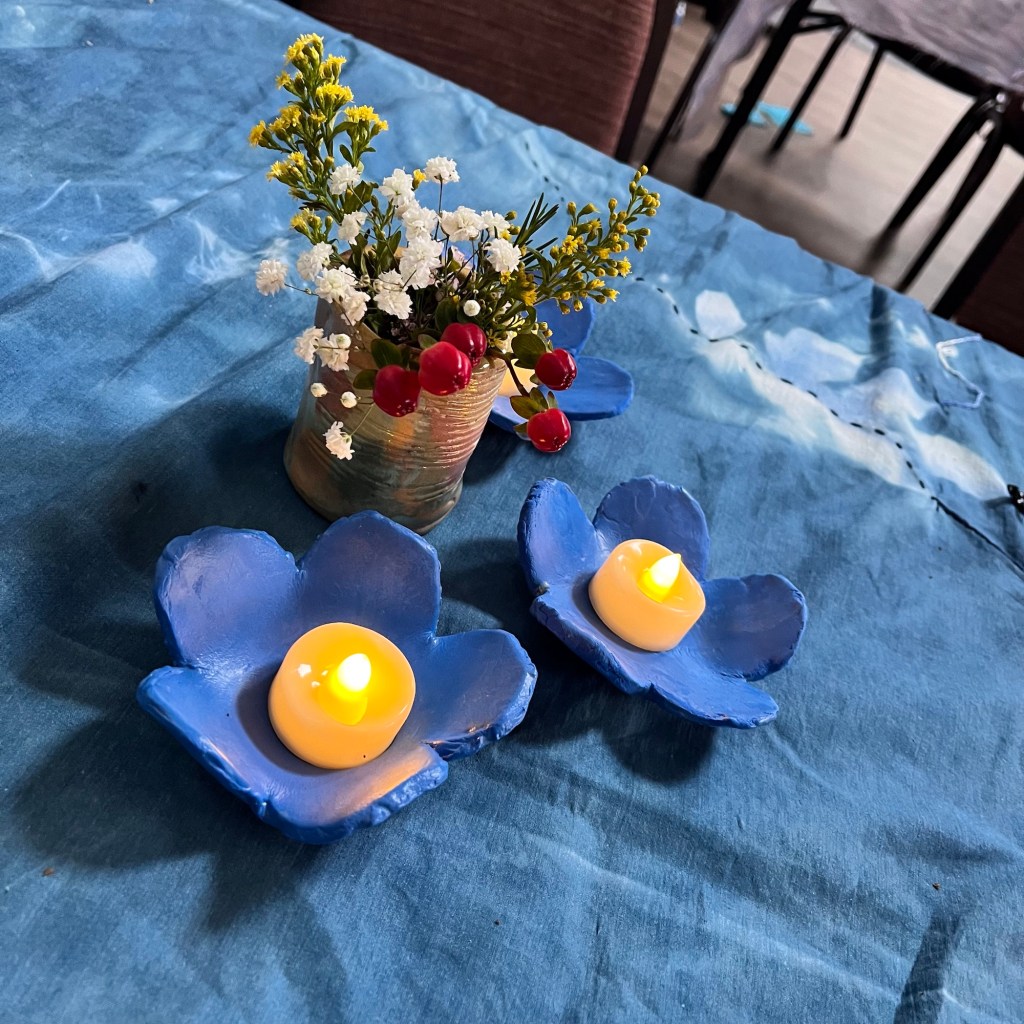
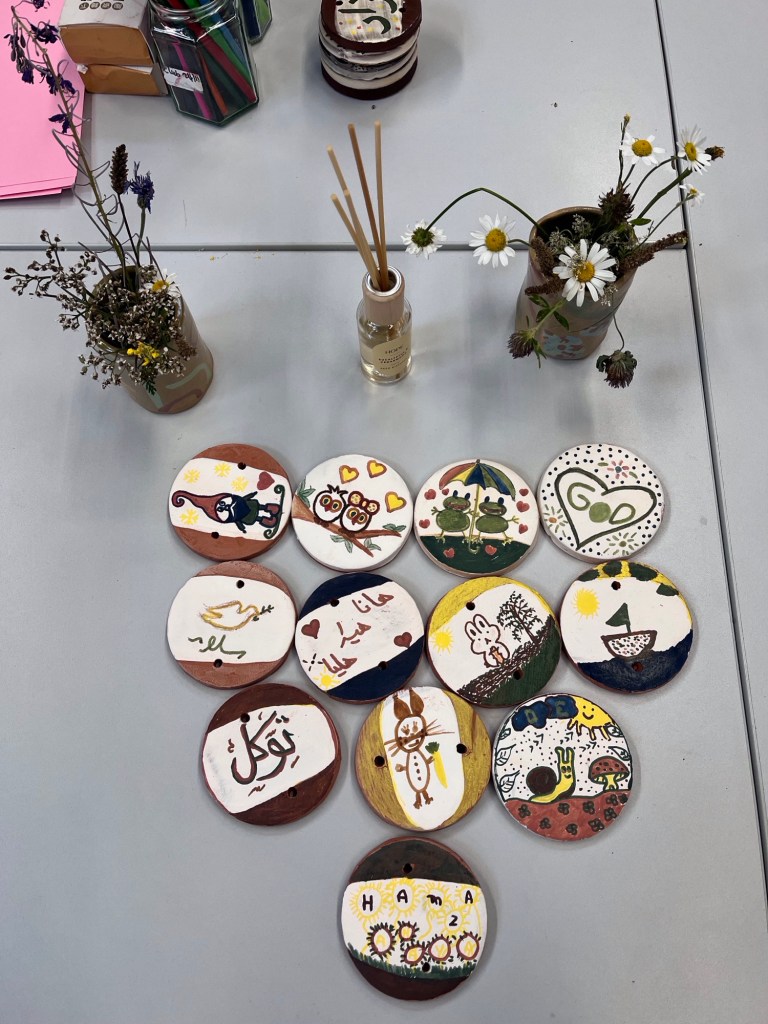
The material and practical elements of the event were equally collaborative. My colleagues from the Kitchen Library, Niamh and Greg, cooked a Sudanese ful recipe alongside one of our Sudanese participant and other regular volunteers. In an earlier session, we made tealight candle holders specifically for the ceremony. A young native English speaker asked to help, so I invited her to lead a simple workshop using air dry clay. This gesture disrupted assumed roles of helper and helped, positioning participation as reciprocal rather than charitable.
The work required shared energy and care, particularly during a period when I was navigating significant personal challenges. It would not have been possible without collective support, especially from artist Joe Goff, who co produced the programme with me. Social sculpture here is not symbolic but logistical, emotional and temporal, shaped by availability, exhaustion and trust. It asks not what is produced, but how people are held, and what it means to be human here and elsewhere.
The audience reflected a wide range of cultural backgrounds, with many people wearing traditional dress. What continues to surprise me is that white, native visitors often attend these gatherings in greater numbers than people from the global majority. Their presence is marked by curiosity and attentiveness, contradicting dominant narratives that frame cultural difference as a threat. The work quietly resists fear by offering proximity, time and shared experience rather than explanation.
This approach connects to last year Iranian celebration I produced at the library during a period of heightened political tension. Food prepared by an Iranian participant and an Iranian chef, including vegan rice and saffron pudding, was shared alongside music. Ceramic coasters I had made and later decorated by women and children were placed on the tables, functioning as both objects and traces of process.
The music and dancing marked the most memorable moment at the end of the event. The shared rhythms of Iranian, Kurdish and Afghan cultures brought people together to dance, filling the space as others looked on with quiet admiration.
Visitors, including people from the Afghan Refugee Centre and staff from Sefton Council, expressed gratitude for the experience, not as an act of hospitality delivered to them, but as a moment of living!Within my MA research, these projects operate as social sculptures that prioritise relational labour, slowness and care. They resist spectacle and instead test how public institutions can temporarily become spaces where people are not spoken about, but speak, host and shape meaning themselves.



 Karema