Yesterday, I had a 1-1 tutorial with Jonathan, and it was a great opportunity to think aloud about my practice and research. It helped me reflect on where I’m, what comes next, and how I want to present my work in the interim show. More importantly, it allowed me to articulate the intentions behind my work—what I’m truly trying to communicate through it.
At the moment, I’m working on collecting all the moon letters people have submitted into a book, which I see as a sculpture—not just because of the process involved, but also due to the layers I’ve applied throughout its creation. Here, I wanted to make a book—not just a representation of one, but a real, physical book as a sculptural form. I wasn’t trying to turn a book into a sculpture; rather, I wanted to sculpt a book itself. This distinction has been crucial for me, and I feel I’ve achieved a lot through this approach.
The process remains ongoing—collecting letters, designing the book, and considering communication in both content and form. The creative process has pushed me in new ways and opening many doors.
Jonathan shared some useful links to researchers and artists, including Donna Haraway, Claire Bishop and Lucy & Jorge Orta. He also gave valuable advice on selecting the right paper type for the book, its cover, and how different inks could react on specific papers.
We also discussed different ways the book could be displayed, which made me think more deeply about its presence in a space and how the audience will engage with it—what I could add or take away. This reaffirmed that my work is not just about making an object; it’s about layering meaning, process, and interaction.
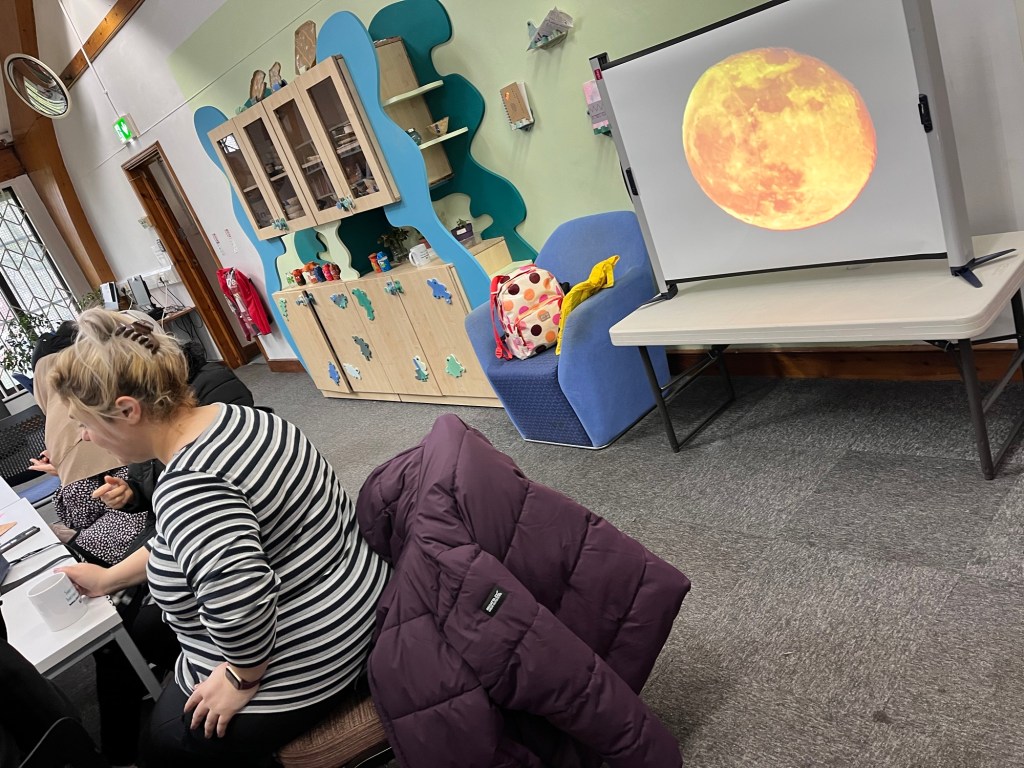
Today, I led a session at Bootle Library with my usual cultural group of ladies, joined by my colleagues from Rule of Threes, a representative from Liverpool Biennial, and artists from Darch Collective. It was a special gathering, as we’ll be contributing to their work for Liverpool Biennial: Bedrock 2025.
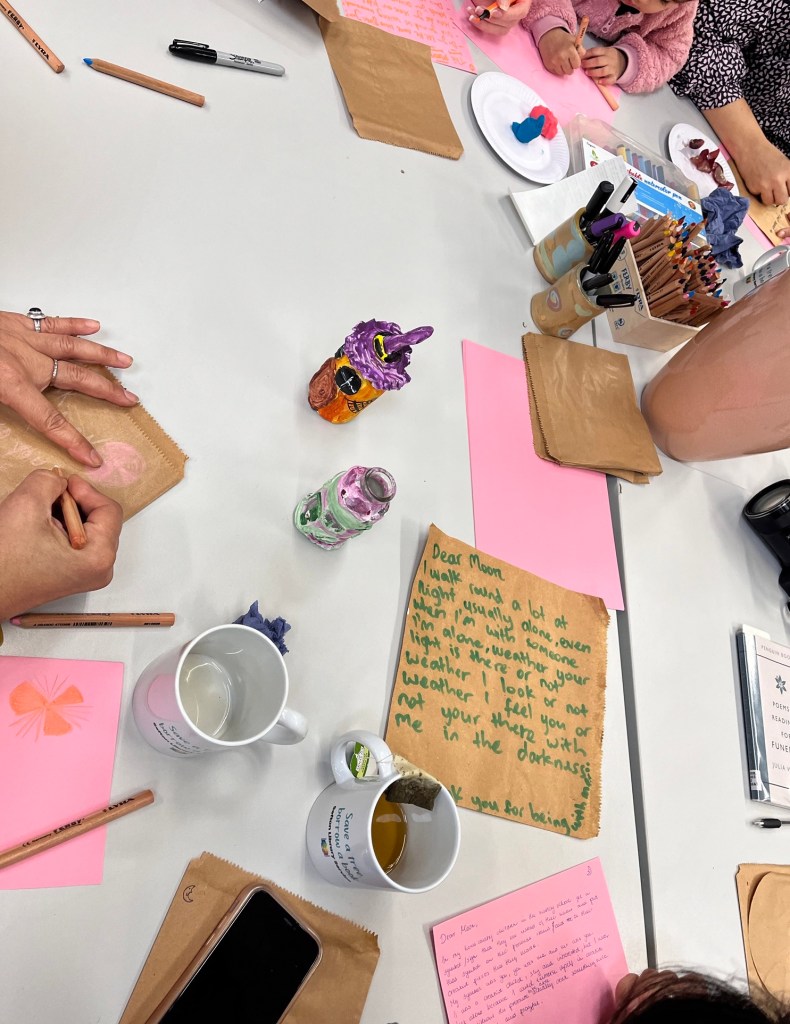
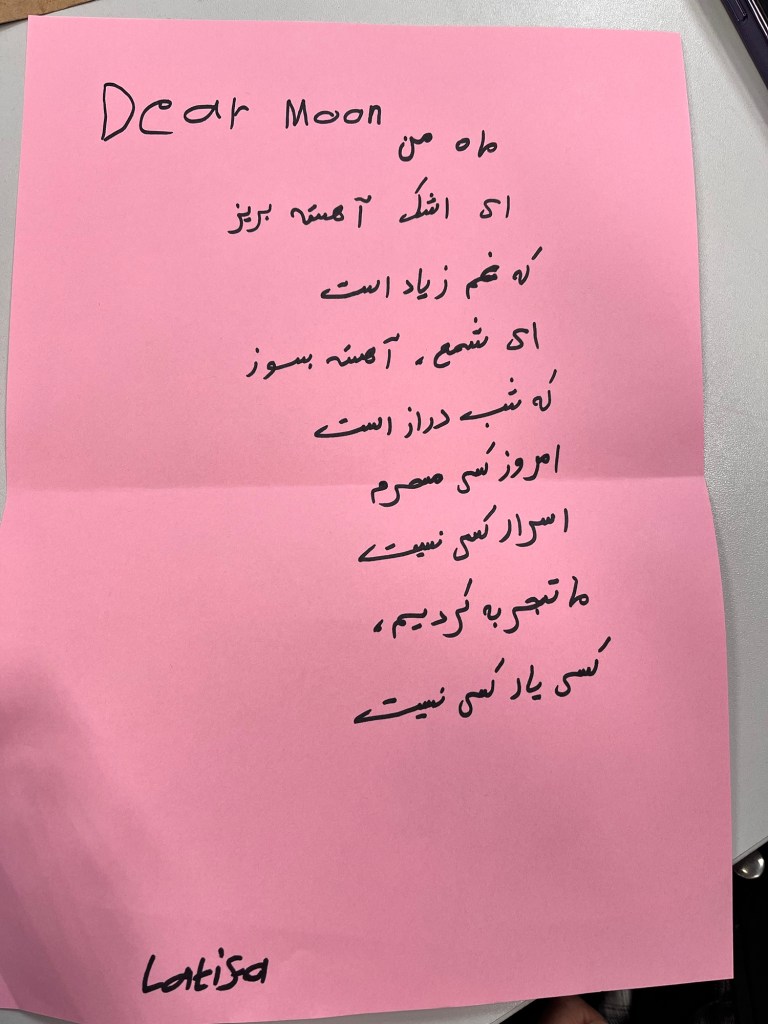
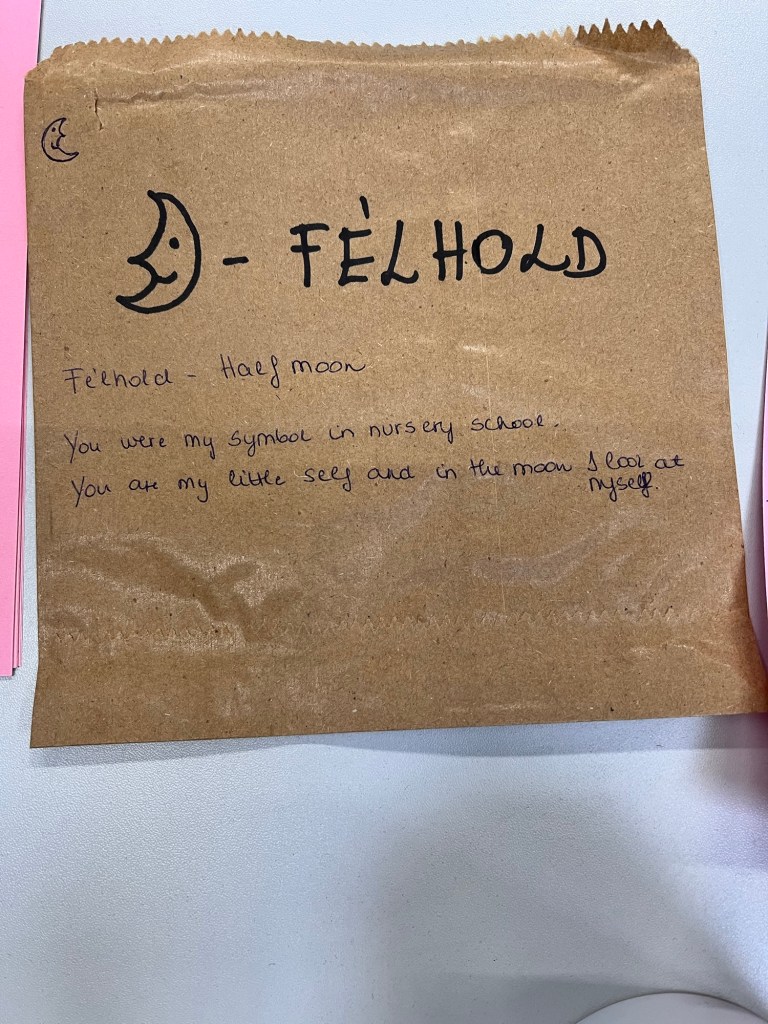
The session had a wonderful turnout, and I received 15 more letters for The Moon Letters project. I’m so grateful to everyone who has taken the time to contribute, and I can’t wait for the moment when I finally hold the book in my hands.
There’s something deeply personal about letters. I find myself attached to each one, treating them as precious objects. They arrive in different ways: through messages, emails, and in person. Each carrying unique thoughts, emotions, and perspectives. People respond in their own way, and I appreciate every word, every feeling that has been shared.
This project is becoming more than just a collection of letters, and I’m excited to see where it leads and to share these stories with a wider audience.
Watching Jonathan’s lecture A Messy Introduction for the second time was a completely different experience from the first. Three months ago, it felt like a relief—as though I had finally been given permission to embrace the uncertainty and messiness of my practice. I realised that nothing was wrong with how I work or feel about the creative process. Rather than viewing my approach as chaotic or unfocused, I began to see it as a form of action research—a way of learning embedded in the act of doing!
I returned to this lecture with a question that arose after last week session How to Be an Explorer: How is my practice guiding me, rather than me controlling it? Watching the lecture again allowed me to refine my thinking and embrace my process as an ongoing cycle of reflection and experimentation.
I learnt that action research isn’t about gathering knowledge and then applying it in a controlled way. Instead, it’s about researching through practice, learning as you go, and allowing discoveries to emerge through action.
The lecture reminded me of how I’ve found my most valuable insights through interaction—whether with people, materials, or space. For example, I realised that my time spent working and engaging with people in the library was far more effective than simply sitting and reading. That moment of recognition was, in itself, action research.
Jonathan introduces four key characteristics of action research:
1. Cyclical: The process is not linear; it loops back on itself, following a rhythm of planning, acting, observing, and reflecting.
2. Collaborative: Research is not done in isolation; it involves engaging with people and/or materials.
3. Qualitative: Not quantitative.
4. Reflective: The practitioner is constantly questioning, not just the work, but their own position within it.
The idea that research is cyclical resonated with me deeply. I often feel like I’m going in circles—revisiting ideas, reworking concepts, and questioning everything. But what if this isn’t a flaw, but rather the natural rhythm of research? Instead of seeing it as going backwards, I now view it as deepening my understanding.
This brings to mind the concept of social sculpture, which, like action research, does not aim for fixed outcomes. It is a living process, shaped by dialogue, participation, and continuous enquiry.
My socially engaged work as a creative producer at The Library is an example of how action research operates in real-world settings. Rather than following a rigid structure, my approach is fluid and responsive.
For instance, I’ve observed that:
• Engaging with people in the library is more valuable than just reading there.
• Learning happens through doing, not just planning.
• Reflection is not just a retrospective process, it happens in real-time.
This aligns with Jonathan’s reflection-in-action model, where the practitioner allows uncertainty and improvisation to guide their decisions. My sessions at the library are not about delivering a pre-determined programme; they are about co-creating an experience with the participants, allowing the outcomes to emerge organically.
One of the slides in the lecture included a quote by Martin A. Schwartz:
“The more comfortable we become with being stupid, the deeper we will wade into the unknown and the more likely we are to make big discoveries.”
This really stuck with me. In artistic practice, there’s often pressure to have everything figured out, to justify every decision, and to present a polished narrative. But this quote suggests that true discovery happens when we allow ourselves to feel lost and unsure.
This resonates with my experience as a member of Ghost Art School, where I always allow myself to experiment with materials freely, without the fear of losing anything or being judged. Most of the work I present at Ghost Art School exhibitions is experimental and joyful.
Instead of feeling like I have to map everything out in advance, I am learning to trust that my research is unfolding in its own way. This lecture reinforced the idea that my artistic process isn’t about arriving at answers, but about learning how to ask better questions.
The first session of Art for Earth’s Sake by Engage:
Peer Learning Programme was both inspiring and thought-provoking. This initiative, designed by Engage members, brings together diverse voices to explore how visual arts can respond to the pressing environmental and ecological crises of our time. The online session created a dynamic space for connection, exchange, and collective learning.
Art has long served as a powerful medium for addressing complex issues. During the session, we reflected on how art can function as a “place” — a vital space for connection, communication, and fostering belonging. This concept resonated deeply with me. As an artist, I believe meaningful change begins when we create spaces for open dialogue and shared experiences.
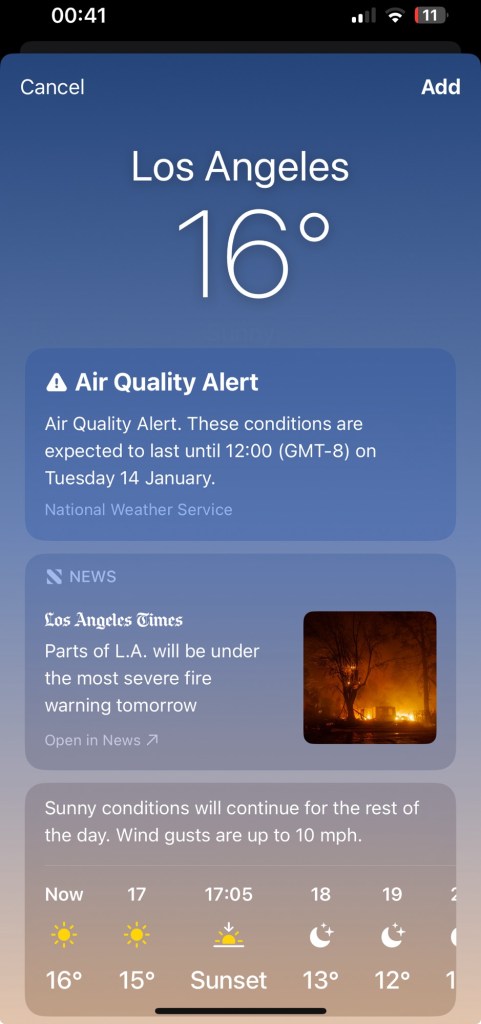
Today’s headlines—be it Gaza burning under human conflict or wildfires ravaging Los Angeles—serve as stark reminders of our interconnected crises. Climate change, political instability, and violence are all deeply entwined. As humans, we bear the responsibility to make a difference, no matter how small. Saying “no” to war, violence, and greed is critical before the Earth pushes back. This realisation drove me to join this programme, especially as a producer working with refugees and students eager to learn about socially engaged art around themes of politics, migration, and the environment.
A recent discussion at Liverpool’s “ghost art school,” which I co-organised, reminded me of the importance of shared spaces. A fellow artist remarked, “Living is a way of research.” I would add that living with others—and fostering environments where people feel safe and free—is essential for authentic collaboration and growth.
One of the most compelling topics from the session was ecocentrism—a philosophy that centres Earth and its ecosystems rather than humanity alone. This approach challenges the anthropocentric mindset dominating contemporary thought.
Ecocentrism is not a modern idea; it has been integral to indigenous cultures for millennia, embedded in their traditions and laws. This was a moment of profound clarity for me. To genuinely tackle the climate crisis, we must transition from a human-centred worldview to an Earth-centred one.
The session also showcased artist-led projects that weave ecological concerns with social engagement. One example was Scotland’s Deveron Projects, which has been creatively connecting people with the land for over 30 years. Initiatives like their “soil spa” and a dance project inspired by the land demonstrate art’s capacity to reconnect us with nature in meaningful ways.
This session reaffirmed my belief in art’s ability to inspire dialogue and action. By embracing ecocentric perspectives and fostering collaboration, we can address the ecological crisis holistically and inclusively.


 Karema