Posted in Reflection, Research, Writing

Letters to the Moon as Social Sculpture: Reflection

In my ongoing exploration of social sculpture, Letters to the Moon stands as a testament to how art can shape social spaces through collaboration. Rooted in Joseph Beuys’ concept that everyone is an artist and society itself is a work of art, this project reflects the interconnectedness between individuals and their collective contributions.

The project is inherently collaborative. By engaging artists and the public, I aimed to dissolve barriers between “individual” and “community” artmaking. Each submission becomes part of a greater whole—like letters sent to a shared destination, carrying unique perspectives yet contributing to a collective narrative.

This process mirrors my research interest in social sculpture: how creative practice can transform not just physical objects, but relationships and shared understanding. Letters to the Moon creates a social space where people from diverse backgrounds, ages, abilities, and styles co-exist, their works forming an invisible conversation with one another.

At its core, my work often explores the complexities of communication. In Letters to the Moon, the art itself becomes a form of communication—visual “letters” that reflect feelings, thoughts, and experiences. By curating these individual voices into a unified book, I aim to highlight how creative gestures, when shared, can transcend the limits of language and hierarchy.

Social sculpture is about more than the artwork itself; it is about the relationships, processes, and transformations that occur along the way. Through Letters to the Moon, I have witnessed how this project fosters a sense of belonging, participation, and emotional resonance. It invites artists to engage in a collaborative process and, in doing so, creates an artwork that is as much about the process as the final outcome.

Photo credit: Donald Takeshita-guy
Dear Moon,

I know why you are called the Moon–because you say ‘mo’ and ‘on’. By Arwa (6 yrs old)

Posted in Reflection, Research, Writing

Letters to the Moon

Photo credit: Donald Takeshita-guy

Letters to the Moon is a social sculpture that explores how art can connect diverse experiences, emotions, and perspectives, fostering meaningful dialogue between art and the wider public.

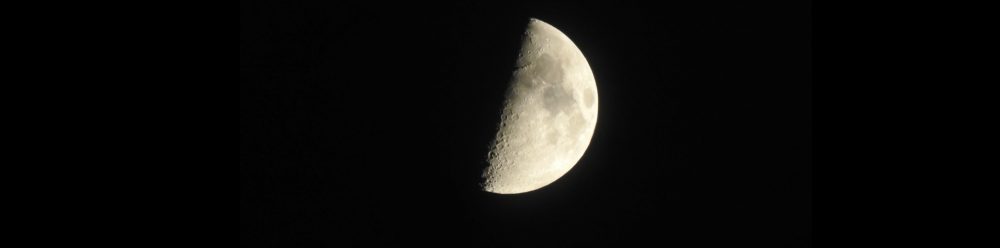
To bring this vision to life, I invited family, friends, artists from Creative Peers, members of Ghost Art School, MA classmates, and the public. Donald kindly extended the invitation and offered people some brown paper bags to write their letters on. This act of kindness touched me and made these letters more special as they are handwritten. Each participant receives a unique moon photograph, carefully selected from a collection of 670 images I have captured since 2018.

The responses have been both inspiring and humbling. People with distinctive styles and personal voices have contributed works that reflect a broad range of emotions and narratives. A key aim of this project is to ensure that people outside the art world feel encouraged to take part, breaking down the barriers that can make creative engagement feel intimidating.

This project, while still ongoing, has already reminded me of the importance of artistic variety and community. While numbers have been promising, I hope they will continue to grow as more people see themselves reflected in this vision. I look forward to the next steps—curating these works, weaving them into a book, and creating something that speaks to the complexity of art as both a personal and collective process.

Posted in Lectures 2024/2025, Reflection, Research, Tutorials 2024/2025

Reflecting on the “Thinking Through Social Practice”  Online Workshop

Today, I attended an engaging online workshop, Thinking Through Social Practice, facilitated by David McGoven. The session offered a reflective space to explore social practice. What made the workshop especially rewarding was its small, interactive format, allowing participants to share their practices, collaborate on tasks, and develop manifestos that resonate with their creative values.

What Is Social Practice? Social practice, as discussed in the session, is rooted in the idea that art’s value extends beyond objects—it lies in relationships, conversations, and the transformations they inspire. Pablo Helguera, in Education for Socially Engaged Art, defines it as work dependent on social interaction as a key factor of its existence. Unlike traditional conceptions of the artist as a visionary or critic, social practice views the artist as a collaborator working with society in a professional capacity.

One of the workshop’s highlights was crafting personal manifestos to articulate our roles and responsibilities as socially engaged artists. Here’s my manifesto:

1. My work remains private while in progress and becomes public once complete.

2. I am the creator of the idea and responsible for its execution.

3. You, as a participant, are a valued contributor to this social work.

4. Your submission remains your intellectual property.

5. By contributing, you agree to its use in this project’s context.

6. This project prioritises collective learning and dialogue.

7. It is non-profit and exists as a form of social sculpture.

This manifesto reflects my ongoing exploration of collaboration, ownership, and the boundaries between individual and collective creativity.

The workshop reaffirmed my belief that social practice is about relationships—not just between people, but also between ideas, disciplines, and systems. As an artist, I am constantly navigating these relationships, finding ways to balance personal vision with community needs.

The Thinking Through Social Practice workshop was a powerful reminder that art is not just about creating—it’s about connecting. It’s about asking questions, challenging systems, and imagining new possibilities alongside others.

Posted in Lectures 2024/2025, Reflection, Writing

The White Pube Lecture

This week, I attended a truly inspiring lecture by The White Pube, a collective I’ve admired for their influence in the art world, especially in championing new and emerging artists. Gabrielle de la Puente and Zarina Muhammad, who started their journey as students at Central Saint Martins, have since grown into influential voices in the contemporary art scene. Their candid and relatable approach resonates deeply, and it was fascinating to learn more about their evolution.

The collective has recently released a book titled Poor Artist, and I was intrigued by their process and approach to publishing. As someone planning to create a book for our upcoming exhibition in March 2025, their journey felt particularly relevant. Gabrielle and Zarina shared how they ventured into publishing without prior experience in creative writing or the publishing industry, relying instead on the foundation of their studio practice. This reminded me of Roy Claire Potter’s words about how creative work stems from lived experience, a sentiment that deeply connects with my own artistic practice.

A highlight for me was when Gabrielle reflected on a conversation with her tutor. She had asked, “How do I become an artist?” to which her tutor replied, “Don’t stop making art.” That phrase stayed with me—not just for its simplicity but for its broader implications. Making art isn’t confined to producing physical pieces; it extends to engaging with the art world in multiple ways: reading, writing, reflecting, and staying informed about what’s happening around us.

The lecture also highlighted how The White Pube began writing for themselves, creating a voice that spoke to two audiences at once: the critical, often inaccessible world of theory, and the everyday experience of artists. They carved out a niche by addressing what they felt was missing—a relatable, conversational space in art writing that didn’t conform to traditional academic or journalistic norms.

This approach inspires me to reflect on my own work and how I can make my practice and writing more accessible, honest, and personal. Gabrielle and Zarina’s story is a reminder that starting small, writing for yourself, and embracing your voice can lead to impactful outcomes.

As I think about the book we’ll be creating for our exhibition, their journey offers a template for how to take risks and embrace the unknown. It’s not about perfection but about authenticity and a willingness to keep going.

This lecture was not only insightful but also a reminder of the power of persistence and self-expression in art. I’m grateful for their honesty and look forward to delving into Poor Artist for more inspiration.